




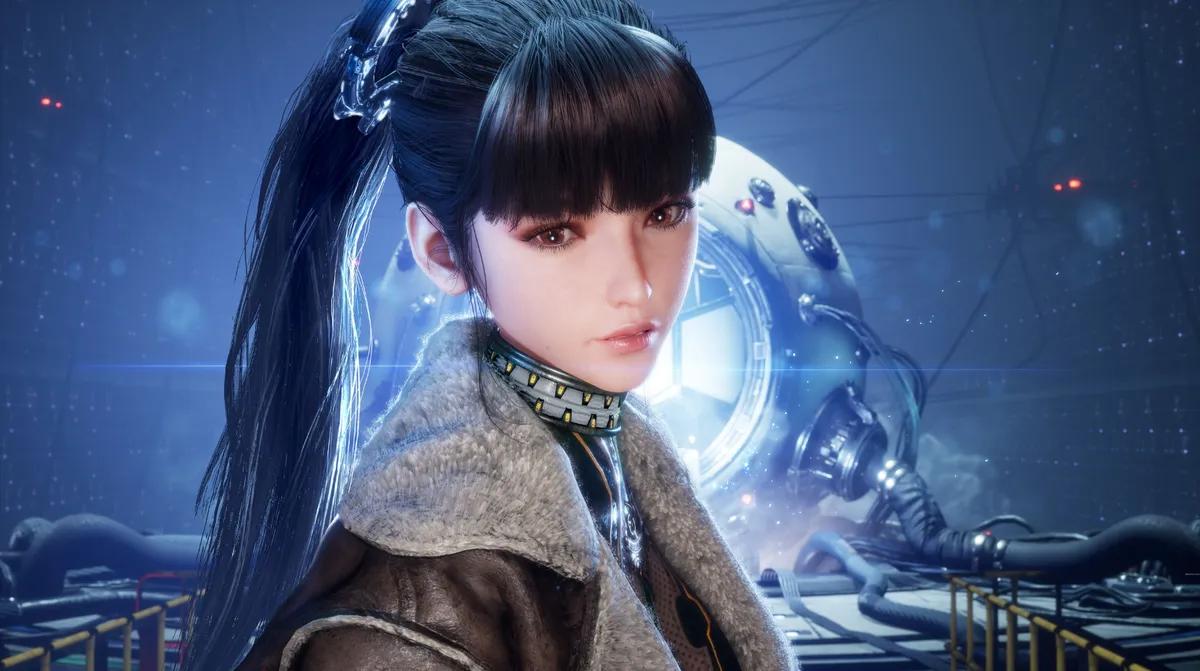
Stellar Blade Director Says AI Is Essential To Compete With Global Studios
 PlayStation
 Steam
Steam Games
GamesI played Stellar Blade with an eye on how tightly it was built, and the conversation around its production now makes more sense. The game sits at the center of a wider argument about scale, labor, and survival in modern development. Stellar Blade director and Shift Up CEO Hyung-tae Kim says studios in smaller countries cannot compete with the U.S. and China without adopting AI across production.
Kim spoke at South Korea’s 2026 Economic Growth Strategy event, a government-led briefing attended by senior officials and industry leaders. He represented the private sector and addressed the structural imbalance facing Korean developers in the global market. His remarks were first reported by GameMeca and later picked up by Automaton.
“We devote around 150 people to a single game, but China puts in between 1,000 to 2,000. We lack the capacity to compete, both in terms of quality and volume of content.”— Hyung-tae Kim
Kim framed the issue as one of raw manpower rather than creative direction. Chinese studios, backed by scale and funding, can iterate faster and produce more content at once. He said this advantage makes direct competition unrealistic without new tools. AI, in his view, is no longer optional.
Using AI would not replace staff, Kim argued. Instead, it would raise the output of each developer. He described a future where every employee works alongside AI systems, allowing small teams to function at a scale previously reserved for massive studios.
“One person can perform the work of 100 people.”— Hyung-tae Kim
The comment landed at a moment when AI use in games remains contentious. Several publishers have recently issued public denials after fans accused them of using generative tools in artwork or marketing. Nintendo addressed claims related to promotional images for its My Mario toy line earlier this week. A Fortnite artist defended in-game visuals last month after players flagged inconsistencies in a poster image. Against that backdrop, Kim’s position was unusually direct.
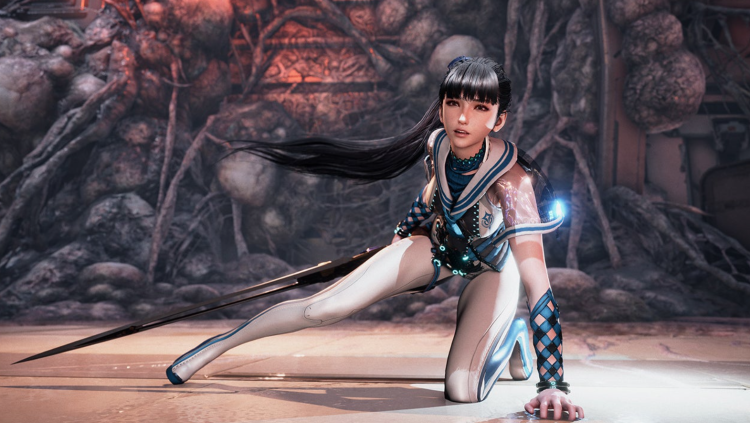
Shift Up’s own situation adds context. Around 80 percent of the studio’s revenue comes from overseas markets, putting it in direct competition with Chinese developers abroad. Stellar Blade was produced with roughly 150 staff. Kim said that the gap in manpower limits both content volume and polish, even when talent and ambition are present.
The studio is not retrenching. Shift Up is currently developing Stellar Blade 2 and a separate project called Project Spirits, which will be published by Level Infinite. Internally, the company has signaled confidence rather than caution. This week, Shift Up gave its 300 employees Apple Watches, AirPods Max, and a cash bonus of about $3,400 each. The gesture stood out in an industry better known for layoffs than gifts.
Kim’s comments also aligned with government policy. South Korea’s Minister of Culture, Sports and Tourism, Hwi-young Chae, supported wider AI adoption during the same briefing. He said large game companies already operate proprietary AI systems and are designing programs to support smaller studios. The government plans financial backing for AI-related initiatives starting in 2026.
The message from both sides was consistent. Competing globally will require more than headcount. It will require technical leverage that multiplies existing teams rather than replacing them. Kim presented AI as that lever, not as a shortcut, but as infrastructure.
From a player’s perspective, Stellar Blade already shows a studio pushing against its limits. The game’s scope feels deliberate, not bloated. Kim’s argument suggests that future projects may aim higher without expanding teams proportionally. Whether that vision holds depends less on rhetoric and more on how AI tools integrate into daily production without eroding trust inside studios or among players.
Read also, Meta Platforms is cutting over 1,000 jobs from its Reality Labs division, about 10 percent of that workforce, as it shifts resources away from virtual reality and metaverse projects toward AI-powered wearables and phone features, marking a sharp pivot in its long-term hardware strategy.


 Successfully copied... Thank you for sharing our content!:



5% deposit bonus up to 100 gems

a free Gift Case




EGAMERSW - get 11% Deposit Bonus + Bonus Wheel free spin


EXTRA 10% DEPOSIT BONUS + free 2 spins

3 Free Cases + 100% up to 100 Coins on First Deposit


5 Free Cases, Daily FREE & Welcome Bonuses up to 35%

3 free cases and a 5% bonus added to all cash deposits.

+5% to deposit




Comments