




Meta Closes VR Game Studios And Cuts Over A Thousand Jobs
 META
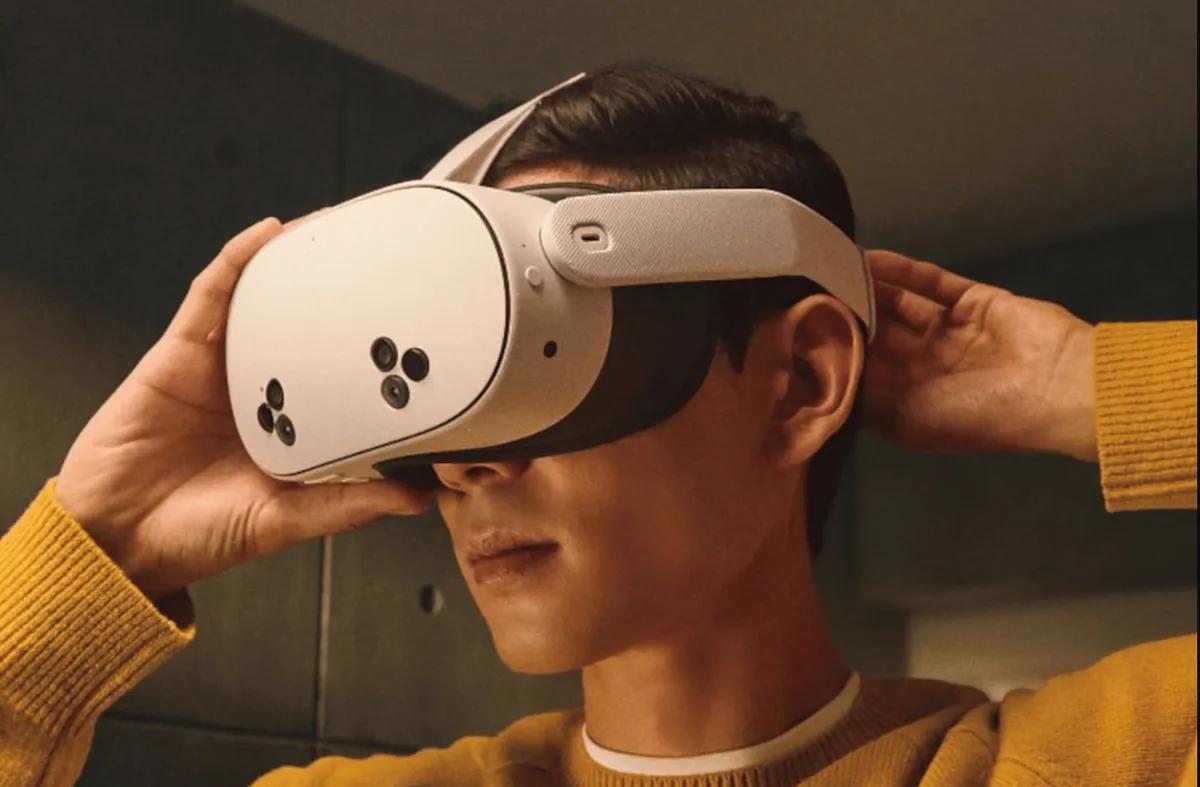
METAMeta Platforms Inc. is cutting more than 1,000 jobs from its Reality Labs division, representing roughly 10% of the group's workforce. The move signals a significant redirection of resources away from virtual reality and metaverse projects toward AI wearables and phone features. Affected employees began receiving notifications on the morning of January 13. The restructuring comes just over four years after the company changed its name from Facebook, a rebranding that staked its future on an immersive digital world that has yet to materialize as envisioned. The company is now pivoting to make its hardware business more sustainable.
The layoffs include the complete closure of three virtual reality game development studios. Armature Studio, the developer behind the well-regarded VR conversion of Resident Evil 4, is being shut down. Also closed is Sanzaru Games, the creator of titles like Asgard's Wrath and Marvel Powers United. The third studio is Twisted Pixel, which developed Deadpool VR and Defector. I remember Twisted Pixel from its popular Xbox Live Arcade games like The Maw and 'Splosion Man, long before it moved into VR development. The cuts extend to the VR fitness app Supernatural, which will continue to support its existing product but will cease development of new content and features.
Throughout the day, developers from the impacted studios shared their experience on social media.
"I've just been laid off. It appears the entire Twisted Pixel games studio has been shut down. Sanzaru Games, too," one former member of the team posted.
"unfortunately, I was part of the layoffs today at Meta, and will be seeking a new role," a designer wrote. "To my Twisted Pixel Games family: it was an honor to work alongside you for 3.5 years and ship Marvel's Deadpool VR. We made something really special together and no one can ever take that away."
The decision to shutter these studios appears abrupt, considering their recent acquisition. Meta only acquired Armature and Twisted Pixel in late 2022, and Sanzaru in 2020. The closures underscore a rapid and decisive shift in corporate strategy, driven by immense financial pressure. According to reports from Reuters and Bloomberg, the Reality Labs division has burned through more than $60 billion since 2020, with some reports citing losses over $70 billion since the start of 2021. These investments have not yet generated meaningful revenue, prompting the company to redirect its spending.
In a statement, a company spokesperson confirmed the change in focus. "We said last month that we were shifting some of our investment from metaverse toward wearables. This is part of that effort, and we plan to reinvest the savings to support the growth of wearables this year." This new direction centers on products like AI-powered smart glasses. Meta is reportedly in discussions with EssilorLuxottica to significantly increase production capacity for its Ray-Ban and Oakley branded AI spectacles.
The metaverse, as initially conceived by CEO Mark Zuckerberg, is not being abandoned entirely, but its priority and form are changing. An internal memo from Chief Technology Officer Andrew Bosworth, reviewed by Bloomberg, stated that the team building the Horizon software experiences will now "double down on bringing the best Horizon experiences and AI creator tools to mobile." The focus is shifting to where the user base has the fastest growth rate, which is currently on phones rather than fully immersive headsets. According to CNBC, Meta is also looking to bring developers who build for the Roblox platform over to its Horizon Worlds, suggesting a more pragmatic approach to content creation.
The virtual reality hardware and software teams that remain will operate as a "leaner, flatter organization with a more focused road map to maximize long-term sustainability," according to Bosworth’s memo. The company is not exiting the games space. Tamara Sciamanna, director of Oculus Studios, wrote in a separate internal communication that gaming remains a cornerstone of the ecosystem. "With this change we are shifting our investment to focus on our third-party developers and partners to ensure long-term sustainability," Sciamanna stated. Five internal studios remain, including Beat Games and BigBox. The strategy now is to rely more heavily on external partners to create content for its Quest headsets. The company is scrambling to recover from its massive spending on a digital frontier that failed to capture a mainstream audience.


 Successfully copied... Thank you for sharing our content!:



5% deposit bonus up to 100 gems

a free Gift Case





EGAMERSW - get 11% Deposit Bonus + Bonus Wheel free spin


EXTRA 10% DEPOSIT BONUS + free 2 spins

3 Free Cases + 100% up to 100 Coins on First Deposit


5 Free Cases, Daily FREE & Welcome Bonuses up to 35%

3 free cases and a 5% bonus added to all cash deposits.

+5% to deposit




Comments