




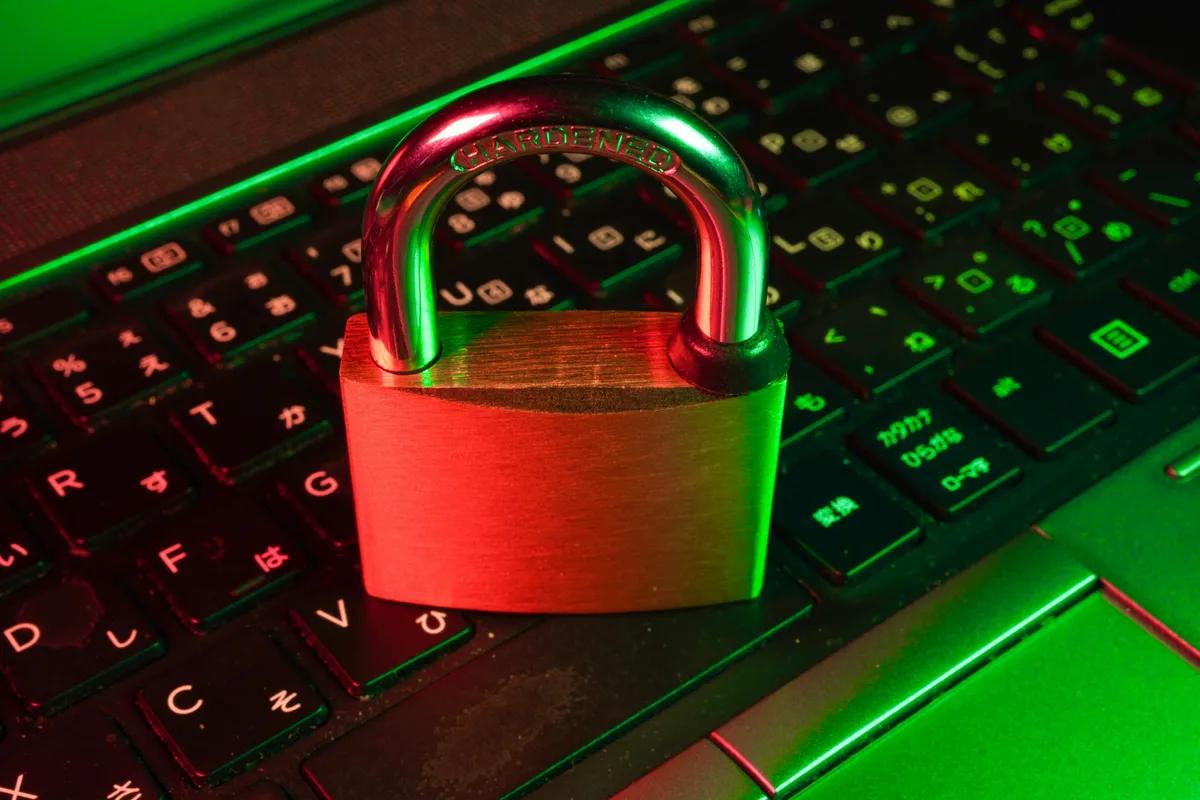
The Death of Passwords: A Peek at the Alternatives in Sight
As the online world develops, so does the way users access the internet. In the past, passwords have been the primary means of protecting user accounts. However, as the world becomes more security-conscious, convenient, and user-friendly, the digital world is slowly but surely moving beyond the password. For instance, online crypto casinos such as those reviewed on CryptoCasinos are beginning to explore more convenient and secure ways for users to access their accounts without passwords.
Why Passwords Are Becoming Obsolete
On the face of it, passwords are a straightforward system. One creates a password, remembers it, and uses it to access a system. In practice, passwords have become one of the weakest links in the chain of internet security. Similarly, the same password is often used for different websites. Therefore, if the password is compromised, the attacker may also be able to access accounts on other websites. Even if the passwords are strong, attackers may still be able to access them through phishing emails.
There is also the question of usability. People are often asked to create complex passwords that include both uppercase and lowercase letters, symbols, and digits. People are also being asked to change their passwords often. It is no surprise that people either forget their passwords or write them down.
The Shift Toward Passwordless Authentication
The basic idea behind passwordless authentication is rather simple: it removes the need for the user to remember anything. Instead of using something the user knows, we use something the user has or who the user is.
Biometrics: Your Body as a Key
One of the most widely used alternatives is biometric verification, which includes the following:
- Fingerprint scanning
- Facial recognition
- Iris scanning
Most smartphones have at least one of these features enabled, making adoption extremely easy.
The benefit of this method is that the information collected is unique to the individual, making it extremely difficult to hack. It also improves the user experience, as there is no need to remember anything.
However, this method also has its drawbacks: if the information is ever compromised, it cannot be changed, making encryption essential.
Passkeys: The Quiet Game-Changer
One of the most exciting innovations in the passwordless revolution is the use of passkeys, which consist of a public key and a private key.
This is how you can use a passkey for a passwordless login process:
- Public key on the server
- Private key on your device
- No sensitive information shared
This process eliminates the risk of phishing because you are not sending a password that can be intercepted. This way, even in the event of a hack, the attacker cannot access anything important.
Passkeys are particularly popular in blockchain environments because they rely on cryptography. As a result, many new crypto casinos are exploring this method as a logical next step for security.
Multi-Factor Authentication (MFA)
The MFA process is not new and typically involves entering a password and a one-time code sent to your phone or email. Although this makes things more secure, it still does not solve the inherent flaws of passwords.
The next logical step is to do away with passwords and use stronger forms of authentication, like:
- Device-based authentication
- Biometrics
- Tokens
This process is already in practice for high-security systems and is gradually moving into the mainstream.
Hardware Security Keys
Hardware tokens, or security keys, are devices used for verification. They are inserted into the device to complete the login process.
They are considered among the safest authentication tools available today. This is mainly because:
- They are resistant to phishing attacks
- They require the user to have the device
- They do not require the user to share a secret
Hardware keys are particularly important for users engaging in crypto exchanges, such as depositing at Ethereum Casinos. However, the drawback is the fact that the user has to carry an additional device.
Behavioral Authentication: Security in the Background
The next-gen method is behavioral authentication. This method does not require users to prove their identity. It simply observes their behavior, such as:
- Typing speed and rhythm
- Pattern of mouse movement
- Navigational habit.
If there is anything suspicious, such as different typing behavior or location, additional verification methods can be used.
The biggest advantage of this method is that it requires no user intervention, as it operates passively. Security is continuously monitored in the background.
Why Crypto Platforms Are Leading the Change
Crypto platforms tend to be naturally compatible with passwordless systems. This is due to their inherent use of cryptographic techniques. This means they have fewer opportunities for traditional authentication methods. Some examples of this include:
- Using a crypto wallet to sign in instead of a password
- Transactions being verified via digital signatures
- Identity being stored via blockchain credentials instead of a database
This results in a safer system overall, especially on platforms where real money is involved. It also helps explain the surge in innovation seen at crypto casinos.
Challenges Slowing Down Adoption
Despite these obvious advantages, passwordless systems still face a few hurdles.
First off, user comfort levels are a significant barrier to passwordless systems. People are accustomed to password-based systems and may find passwordless systems too complicated.
The next challenge for passwordless systems may be their reliance on a specific device type, such as a phone or a physical key. This means that if an individual loses his phone or key, he may find it difficult to retrieve a passwordless system's password.
Another important factor for passwordless systems could be privacy, especially when it comes to biometric or behavior-based information.
What the Future Looks Like
It won't be tomorrow, but the writing is on the wall: the password is on its way out. The future of passwordless login is bright, and the future of passwords is bleak.
What does the near future hold? Quick face scan, tap of the fingerprint, and lots more. The transition has already happened, and we could expect to see more as the years go by.


 Successfully copied... Thank you for sharing our content!:

Comments