




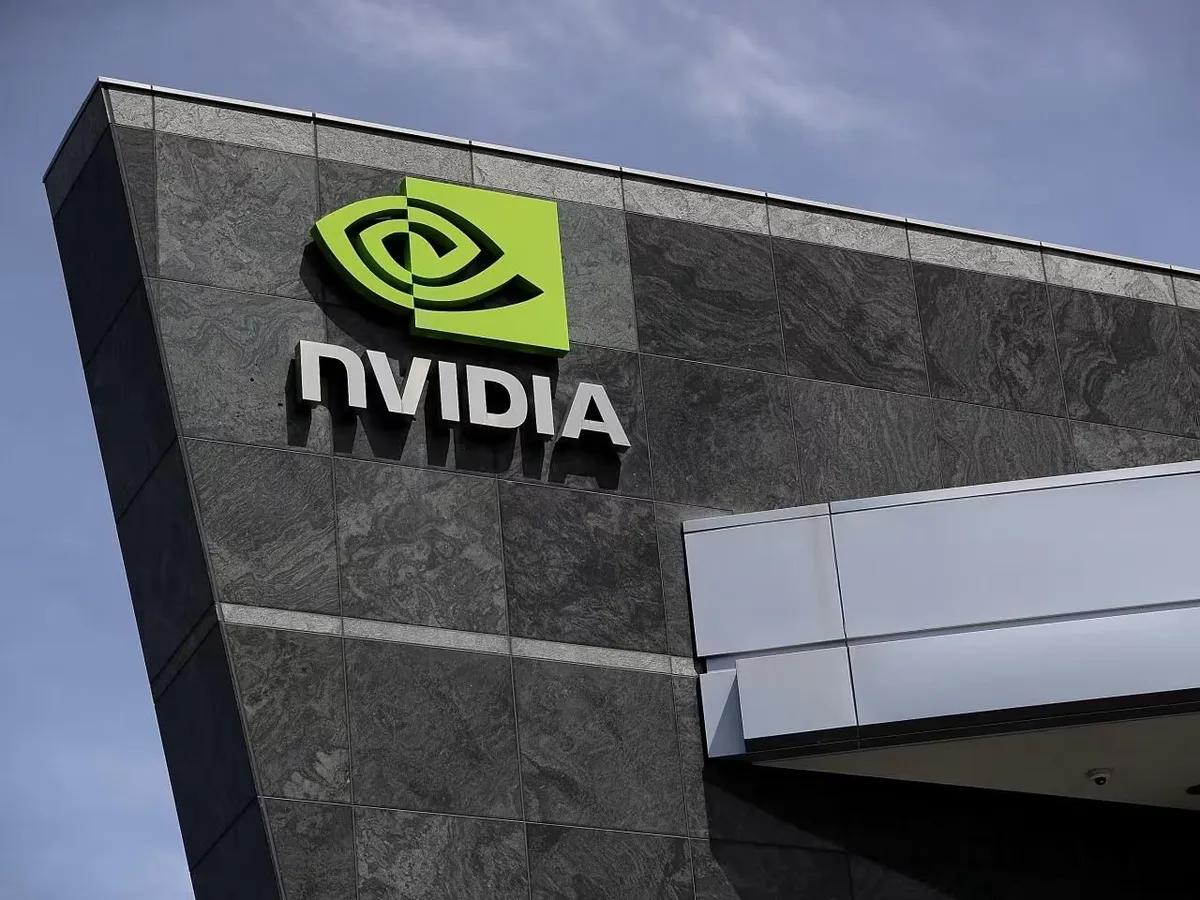
NVIDIA Hits Record $81.6 Billion Revenue but Quietly Removes Gaming Income From Financial Report
 Nvidia
Nvidia has reported record-breaking financial results for the first quarter of fiscal 2027, reaching an astonishing $81.62 billion in revenue. The results once again demonstrate the company’s dominance in the global AI and data center market, as demand for advanced computing hardware continues to surge across multiple industries.
However, one detail from the financial report immediately attracted attention from analysts and the gaming community: Nvidia no longer separately highlighted gaming revenue in the same way it traditionally did in previous earnings reports.
At the same time, the company continues to push forward with new gaming-related technologies such as its neural compression system.
For years, gaming was considered one of Nvidia’s core business pillars. The company built its global reputation largely through graphics cards for PC gaming, especially through the massively successful GeForce RTX lineup. Gaming GPUs helped establish Nvidia as one of the most influential companies in the technology industry and played a major role in the growth of modern PC gaming.
Now, the removal or restructuring of gaming-specific financial categories is being interpreted by many observers as a clear signal that Nvidia’s long-term priorities are shifting.
The company’s explosive growth over the last several years has been driven primarily by artificial intelligence infrastructure, cloud computing, enterprise hardware, and AI accelerator demand. Massive investments in machine learning systems by corporations, governments, and technology firms have transformed Nvidia into one of the most important suppliers in the global AI race.
Data center products and AI chips have become so dominant financially that gaming revenue now represents a much smaller portion of Nvidia’s overall business than it did historically. Analysts suggest that the company may increasingly view gaming as only one component of a much larger AI-focused ecosystem rather than its primary identity.

This strategic evolution has become especially visible since the global AI boom accelerated. Nvidia hardware is now heavily used for training large language models, cloud computing systems, autonomous technologies, scientific simulations, and enterprise AI platforms. The scale of this demand dramatically exceeds traditional gaming hardware markets in profitability and growth potential.
Despite the shift, gaming remains extremely important to Nvidia’s brand image and consumer ecosystem. Products like GeForce RTX graphics cards continue to dominate the high-end gaming GPU market, especially among PC enthusiasts, streamers, and esports players. Technologies such as DLSS, ray tracing, and AI-powered rendering also continue positioning Nvidia as a major innovator in gaming technology.
However, investors are increasingly valuing the company based on AI dominance rather than gaming performance. Nvidia’s market valuation, stock growth, and financial momentum are now tied much more closely to enterprise infrastructure and AI demand than to consumer GPU sales.
The record $81.62 billion quarter highlights just how dramatic this transformation has become. Only a few years ago, numbers on this scale would have seemed almost impossible for a hardware-focused company. Today, Nvidia sits at the center of one of the largest technology expansions in modern history.
Some analysts believe the reduced emphasis on gaming revenue in official reporting is also designed to reinforce Nvidia’s image as an AI infrastructure giant rather than simply a gaming hardware manufacturer. Positioning the company around AI leadership may strengthen investor confidence and align more closely with long-term market expectations.
At the same time, the change has sparked mixed reactions among gamers. Some users worry that Nvidia’s overwhelming focus on AI and enterprise markets could eventually reduce attention toward gaming consumers, especially as GPU prices remain high and gaming hardware shortages continue to affect parts of the market.

Others argue that AI investment ultimately benefits gaming technology as well, since many modern rendering systems, performance optimization tools, and graphics innovations increasingly rely on machine learning and neural processing systems developed for AI workloads.
For now, Nvidia’s financial report sends a clear message: the company that once built its empire primarily through gaming GPUs is rapidly evolving into something much larger — a global AI infrastructure powerhouse whose future growth is increasingly tied to artificial intelligence rather than traditional gaming alone.


 Successfully copied... Thank you for sharing our content!:



5% deposit bonus up to 100 gems

a free Gift Case





EGAMERSW - get 11% Deposit Bonus + Bonus Wheel free spin


EXTRA 10% DEPOSIT BONUS + free 2 spins

3 Free Cases + 100% up to 100 Coins on First Deposit


5 Free Cases, Daily FREE & Welcome Bonuses up to 35%

3 free cases and a 5% bonus added to all cash deposits.

+5% to deposit




Comments