





PEGI Introduces New Age Rating Rules for Games With Loot Boxes and Gacha Systems
The Pan-European Game Information (PEGI) rating system is introducing new guidelines that will affect how many modern games are classified. The changes come amid ongoing discussions in the gaming industry about loot boxes, gacha mechanics, and other randomized monetization systems.
New Focus on Online Interaction Risks
Beginning in June 2026, any newly submitted game that includes paid randomized rewards—such as gacha pulls, card packs, or loot boxes—will automatically receive a PEGI 16 rating or higher. Given how widespread these systems have become in mobile titles and live-service games, the update could impact a large number of future releases.
Under the new rules, games that sell randomized items through systems like gacha mechanics, loot boxes, or card packs will be placed in the PEGI 16 category. Titles that rely even more heavily on gambling-style features, including social casino mechanics, will receive a PEGI 18 rating.
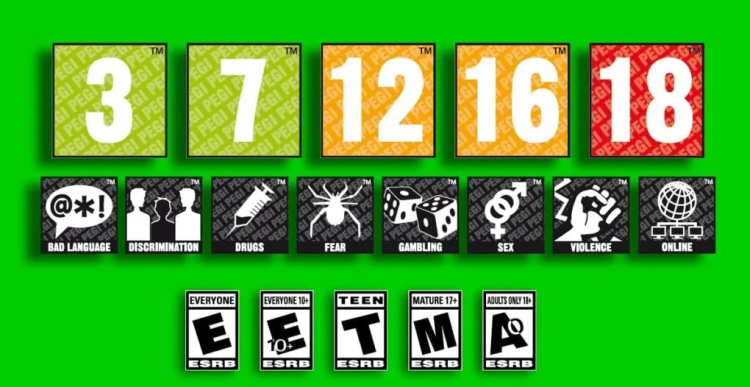
PEGI is also evaluating other systems commonly found in live-service games. For instance, games offering limited-time purchases or paid battle passes may receive at least a PEGI 12 rating, particularly if certain rewards become unavailable after a season ends. Meanwhile, mechanics designed to encourage daily engagement—such as daily quests, login streaks, and scheduled events—are expected to fall under a PEGI 7 rating.
Rather than focusing solely on traditional factors like violence or language, the updated classification system also considers what PEGI calls “online interaction risks.” It is important to note that these new guidelines will only apply to games submitted for classification starting in June 2026, meaning existing titles will not be re-rated.
Long-Running Debate Around Randomized Monetization
The classification of loot boxes and gacha mechanics has been debated for years. Recently, the issue returned to public attention following a lawsuit filed by the New York Attorney General against Valve, accusing the company of promoting illegal gambling through loot boxes on Steam. Although the case remains ongoing, it has once again highlighted concerns surrounding randomized monetization systems.
Over the past several years, governments, regulators, and consumer advocacy groups have repeatedly raised questions about whether loot boxes and gacha systems closely resemble gambling—particularly when younger players are involved.

These concerns often stem from the structure of such systems. In many gacha-based games, players spend real money for a randomized outcome, hoping to obtain a rare character or item with very low odds. The excitement created by these rare drops is a central part of how these systems are designed.
Ratings Will Not Ban the Systems
The new PEGI rules do not ban loot boxes or gacha mechanics. Developers remain free to include these features in their games. However, the updated ratings could influence how titles are marketed, filtered on digital storefronts, and presented to parents and guardians.
While age ratings alone may not prevent younger players from accessing certain games, the changes signal a shift in how the industry evaluates monetization practices. Increasingly, the way a game encourages players to spend money is being treated as an important factor alongside the content displayed on screen.


 Successfully copied... Thank you for sharing our content!:



5% deposit bonus up to 100 gems

a free Gift Case





EGAMERSW - get 11% Deposit Bonus + Bonus Wheel free spin


EXTRA 10% DEPOSIT BONUS + free 2 spins

3 Free Cases + 100% up to 100 Coins on First Deposit


5 Free Cases, Daily FREE & Welcome Bonuses up to 35%

3 free cases and a 5% bonus added to all cash deposits.

+5% to deposit




Comments