




Old Divinity Games Rebound On Steam After Larian Unveils New RPG
 Steam
Steam Games
GamesDivinity Original Sin has returned to the center of player attention on Steam, driven by renewed interest following Larian Studios’ announcement of a new Divinity role-playing game at The Game Awards 2025. While the reveal focused on a future project, its immediate effect has been felt across the studio’s back catalog, with multiple Divinity titles recording noticeable increases in concurrent players. The rebound highlights the long tail of Larian’s RPG output and the continued relevance of its earlier systems and worlds.
SteamDB activity over the days following The Game Awards shows a clear pattern. Baldur’s Gate 3, released in 2023, remains one of the platform’s most-played games, holding a place inside Steam’s top 50. Its 24-hour peak of more than 83,000 active players places it well above most single-player RPGs, even two years after launch. That stability, however, is no longer the only sign of Larian’s reach. Older Divinity games have begun to climb in ways not seen for months or, in some cases, years.
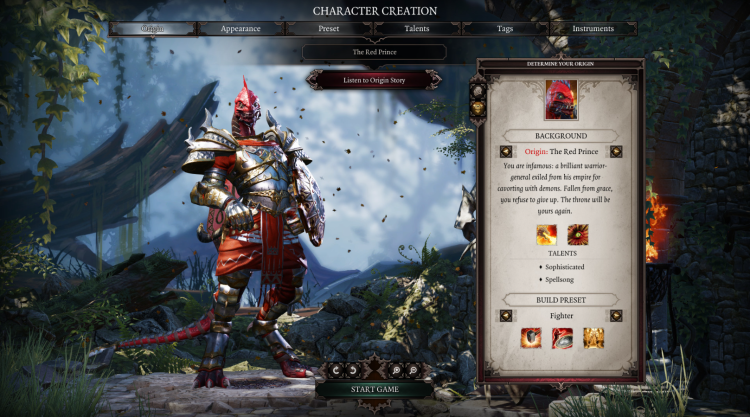
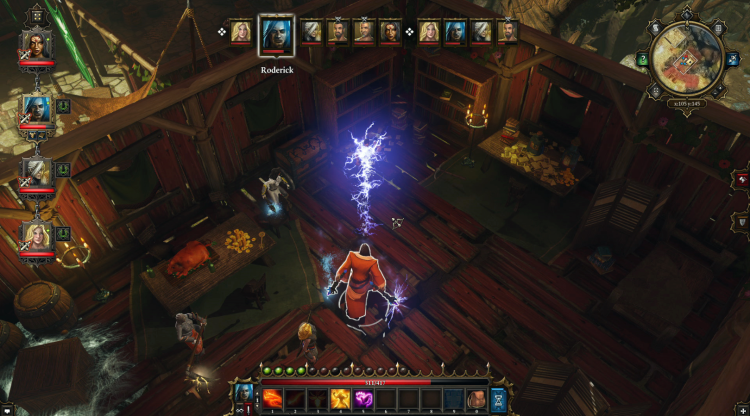
Divinity: Original Sin 2 (source: SteamDB) has risen to around 180th place in Steam’s most-played rankings, with a 24-hour peak approaching 11,000 concurrent players. For a game released in 2017, and one that had settled into a much lower baseline across November, the increase stands out. Prior to the awards show, daily peaks hovered closer to half that number. The jump coincides closely with the timing of Larian’s announcement, suggesting a direct link between the reveal and renewed engagement with the series.
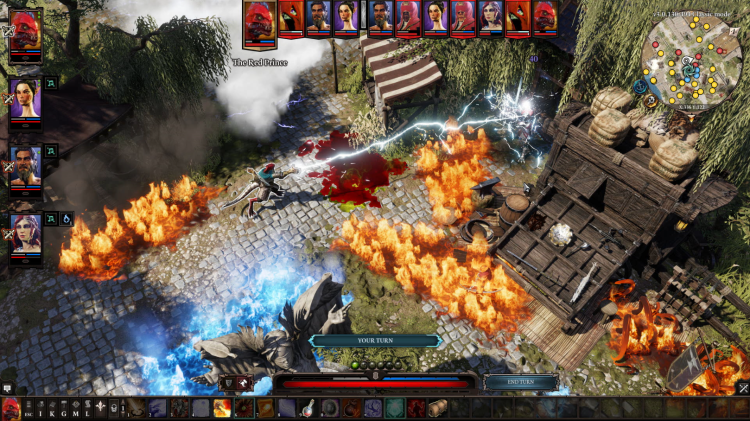
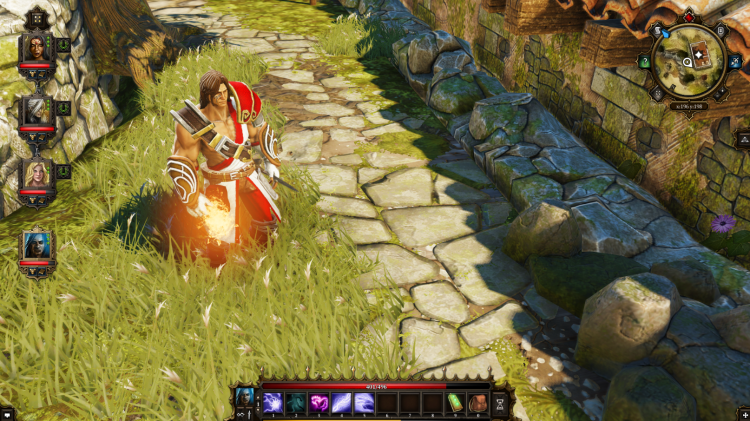
The effect is not limited to the sequel. The Enhanced Edition of the first Divinity: Original Sin has also seen a marked increase. SteamDB data shows a recent 24-hour peak of roughly 2,150 players. In the weeks before The Game Awards, the same title often struggled to exceed a few hundred concurrent users, rarely approaching four figures. The shift places it among the most active it has been in years, driven largely by players either revisiting the game or experiencing it for the first time.
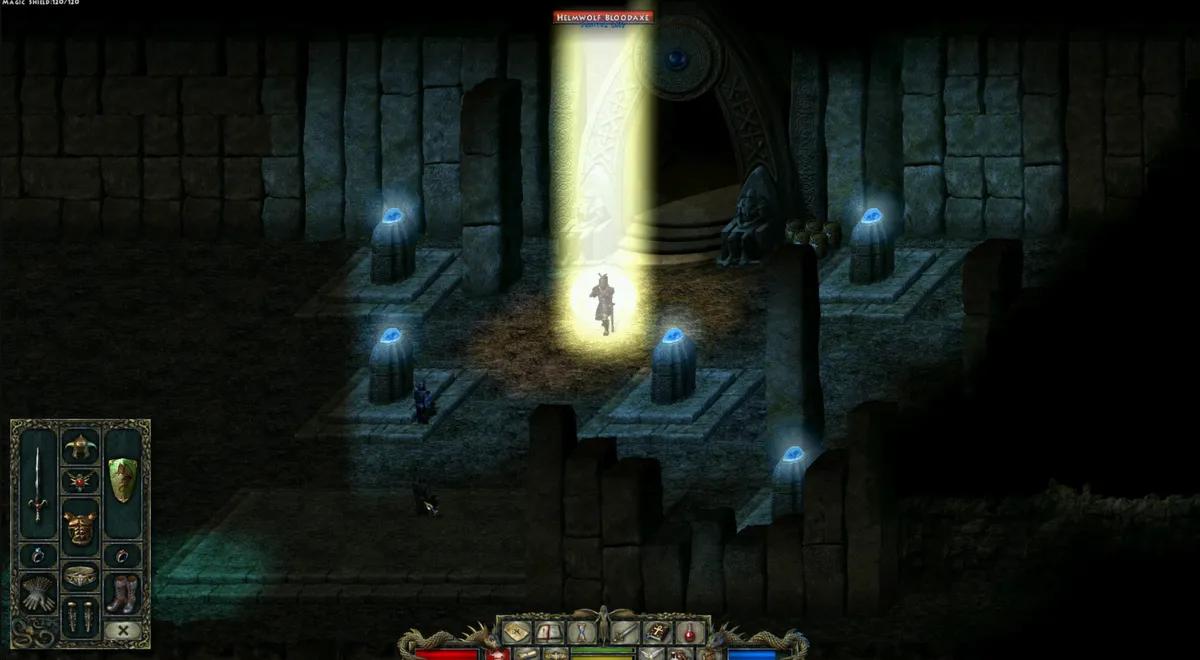
The most dramatic relative change appears further back in the franchise’s history. Divine Divinity, released in 2002, has moved from a near-static population of around a dozen players to peaks nearing 170. In absolute terms, the number remains small. In context, it represents an order-of-magnitude increase for a 23-year-old RPG that has largely existed on Steam as an archival curiosity. The same pattern appears, to varying degrees, across other early Divinity titles.
These movements align with a broader reaction to Larian’s announcement. At The Game Awards, the studio confirmed it is developing a new Divinity game, distinct from Divinity: Original Sin 3. The cinematic trailer, which leaned heavily into dark ritual imagery and brutal fantasy themes, sparked immediate discussion. The reveal followed weeks of speculation driven by cryptic teasers, culminating in confirmation that the project represents a new entry point rather than a direct sequel.
Larian Studios CEO Swen Vincke described the project in strong terms during the announcement cycle.
“Our biggest, most ambitious RPG yet… the Divinity we’ve always wanted to make.” — Swen Vincke.
The phrasing echoed earlier messaging around Baldur’s Gate 3, positioning the new Divinity as a culmination rather than an iteration.
Subsequent clarification from Larian addressed a key concern for potential players. According to a press release, the upcoming game is “a brand-new game that doesn’t require experience with previous Larian titles.” The statement draws a clear line between accessibility and continuity. Players unfamiliar with earlier Divinity games will not be excluded, but those with prior knowledge may find additional context.
The same note adds that
“those who’ve played Divinity: Original Sin and Divinity: Original Sin 2 will be able to enjoy greater understanding and continuity.” — Larian Studios.
This framing reinforces the value of the older games without presenting them as mandatory. It also helps explain the current surge, as players revisit or sample the series in preparation.
The data support the idea of a mixed audience. Longtime fans appear to be returning to refresh their understanding of Rivellon’s lore and mechanics. At the same time, newer players, many introduced to Larian through Baldur’s Gate 3, are exploring the studio’s earlier work for the first time. The sustained popularity of Baldur’s Gate 3 provides a stable funnel, directing attention backward through Larian’s catalog.
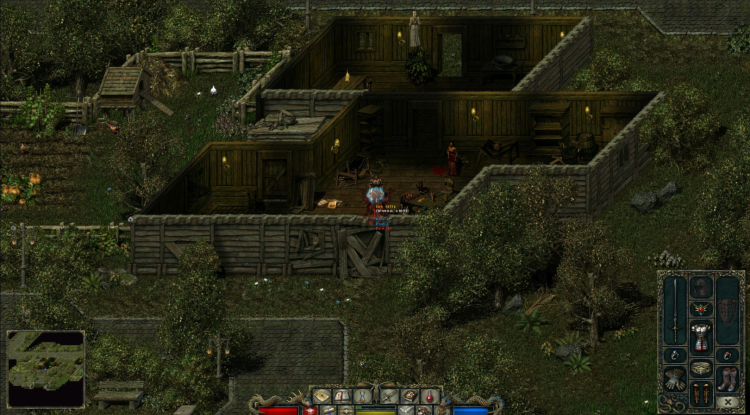
SteamDB snapshots show this effect clearly when comparing timelines. Before the awards show, Divinity: Original Sin stats reflected a relatively flat curve, with modest daily fluctuations. After the announcement, the curve steepened across multiple titles. Even Divine Divinity on SteamDB, usually static at the bottom of the charts, registered a visible spike. These changes suggest more than passive curiosity; players are launching the games, not just adding them to libraries.
The resurgence also underscores how Larian’s design philosophy has aged. Divinity: Original Sin and its sequel emphasize systemic combat, environmental interaction, and flexible role-playing outcomes. Those elements now feel familiar to Baldur’s Gate 3 players, making the transition backward less jarring than it might have been years ago. The studio’s internal continuity, more than narrative linkage, seems to be driving engagement.
No release window has been set for the new Divinity project. The trailer shown at The Game Awards was purely cinematic, with no gameplay footage or systems outlined. Larian has also acknowledged the existence of another RPG in development, currently referred to by the codename Excalibur. Based on the scope described for Divinity, the two projects are unlikely to arrive close together.
For now, the immediate result of the reveal is measurable rather than speculative. Player counts are up. Older games are visible again on Steam’s charts. Titles that had settled into long-term dormancy are seeing renewed use. Whether the trend holds will depend on how long anticipation sustains interest, but the initial impact is clear.
Larian’s catalog has rarely lacked attention since the success of Baldur’s Gate 3. What stands out this time is the breadth of the effect. From a 2002 action RPG to a 2017 turn-based epic, the entire Divinity line is benefiting from a single announcement. Few studios see that kind of retrospective lift without a remaster or sale. In this case, the catalyst was simply the promise of what comes next.
Read also: Fans continue to analyze the new Divinity trailer’s central character, tracing a burning crowned figure through the series’ bloodstained history as speculation accelerates ahead of official details.


 Successfully copied... Thank you for sharing our content!:

Comments