





Clair Obscur And The Year The Game Industry Changed
 Games
Games Game Awards
Clair Obscur entered 2025 as an unknown quantity and ended it as the industry’s dominant title. From its April release through the final awards ceremonies, the game gathered momentum that few releases ever achieve, culminating in a decisive sweep at The Game Awards. The result fixed Clair Obscur in the public record not only as Game of the Year, but as a signal event for how scale, ambition, and market reach can emerge from outside the traditional power structure.
The scale of the victory matters. Clair Obscur won nine awards, surpassing the previous record and doing so without meaningful resistance across categories. No competing game earned more than a single award. Major publishers that historically defined the ceremonywere left without recognition. This outcome was not driven by a late surge or a fractured field. Clair Obscur had been the clear frontrunner for months, its position reinforced with each nomination announcement and critical assessment.
That clarity tends to obscure the unusual nature of the win. Clair Obscur is the first title to cross from the independent categories into a Game of the Year victory at The Game Awards. It is the debut release from Sandfall Interactive, a French studio without prior commercial history. Its publisher, Kepler Interactive, was formed only four years ago as a partnership between seven small studios, structured to operate outside the traditional publisher hierarchy. The alignment of those facts with an uncontested sweep has no real precedent in the show’s history.
The comparison many observers reach for comes from film rather than games. When an independent studio first breaks through a closed prestige system, the impact tends to resonate beyond the immediate result. In gaming terms, Clair Obscur’s sweep carried that same sense of a door opening, though without the drama or controversy that often accompanies such moments. The victory was orderly, anticipated, and complete.
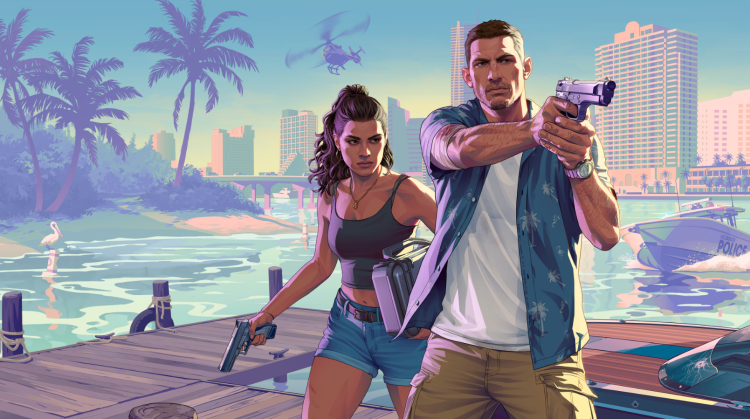
Context sharpens the picture. The 2025 release calendar was unusually sparse at the top end. Many major publishers avoided the year, either delaying releases to escape competition or struggling with extended production timelines. Grand Theft Auto 6, expected to dominate the conversation, slipped into 2026. That absence created space, but space alone does not produce dominance. Clair Obscur filled it with a game that matched the expectations usually reserved for the largest productions.
The nomination field itself reflected an anomaly. Half of the Game of the Year nominees were also nominated for Best Independent Game, a crossover rarely seen in previous years. Two of those, Hades 2 and Hollow Knight: Silksong, were long-anticipated sequels to widely celebrated titles and arrived within weeks of each other. That coincidence amplified the visibility of the independent space, but it did not dilute Clair Obscur’s position. Even among that unusually strong cohort, it stood apart.
It is important to separate outsider status from design reality. Clair Obscur does not present itself as a radical formal experiment. Its structure is recognizably traditional: a large-scale role-playing adventure built around turn-based combat, cinematic presentation, and a sweeping narrative. Its distinctive quality lies in its synthesis rather than its disruption, blending French cultural references with classic Japanese role-playing frameworks. The result feels specific without being alienating, familiar without being derivative.
That familiarity likely contributed to its success with awards juries. Historically, The Game Awards have favored titles that combine scope, polish, and narrative clarity. Clair Obscur fits that pattern closely, despite its origins. High production values, elaborate environments, and performance-driven storytelling placed it comfortably alongside the kinds of games usually delivered by the largest studios. Its outsider label reflects its creators, not the experience it delivers.
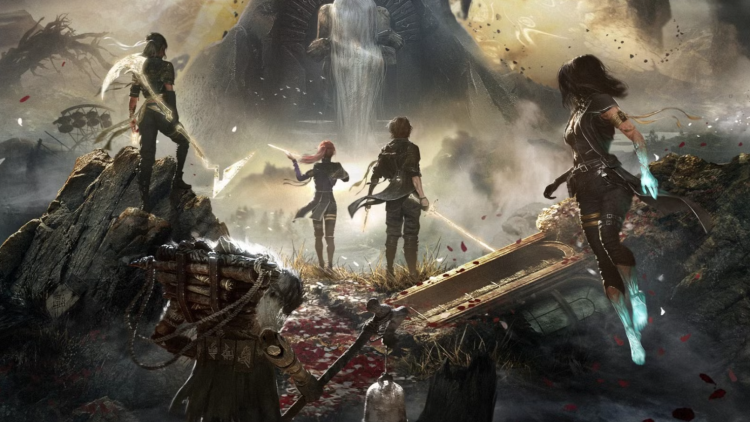
What changes, then, is not the definition of a prestige game, but who can make one. Clair Obscur demonstrates that a smaller team, operating with fewer resources and outside the dominant publishing ecosystems, can produce work that competes directly with the most expensive projects in the industry. That competition extends beyond awards into the market itself. Expedition 33 celebrates 5 million sales, a figure that places the game firmly in the commercial tier once reserved for established franchises.
This commercial reach reinforces the broader implication of the awards sweep. Clair Obscur did not succeed by narrowing its audience or positioning itself as a niche alternative. It reached players at scale while maintaining a cost structure lower than that of many AAA productions. For publishers and developers facing rising budgets and increasing financial risk, that combination carries weight.
The industry implications are uneven. The current system still favors large publishers in visibility, distribution, and sustained marketing power. The Game Awards jury, despite this year’s outcome, has nominated fewer independent games across categories than it did a decade ago. Clair Obscur stands as an exception rather than evidence of a permanent shift. Its success required a convergence of timing, quality, and opportunity that cannot be easily replicated on demand.
Even so, exceptions matter. They define the boundaries of what is possible. Clair Obscur shows that the middle ground of the market, long squeezed between blockbuster excess and small-scale experimentation, can be contested and won by teams operating outside traditional pipelines. That contest does not require rejecting established forms. It requires executing them with precision, clarity, and restraint.
The coming year will test how durable this moment is. If Grand Theft Auto 6 releases as planned, it will likely reclaim the center of the industry’s attention and reset expectations around scale and spectacle. If it slips again, the opening that defined 2025 may persist. In that case, Clair Obscur may not remain alone for long.
For now, its position is clear. Clair Obscur did not merely benefit from a quiet year. It defined the year it was given, outperformed every competitor, and demonstrated that prestige, scale, and mass appeal are no longer exclusive to the industry’s largest institutions. That achievement stands regardless of what follows.
Read also, Clair Obscur Director Describes The Studio’s Surprise At The Game’s Rapid Ascent, detailing how Expedition 33’s sales success and awards sweep exceeded internal expectations and reshaped the studio’s outlook after launch.


 Successfully copied... Thank you for sharing our content!:

Comments