




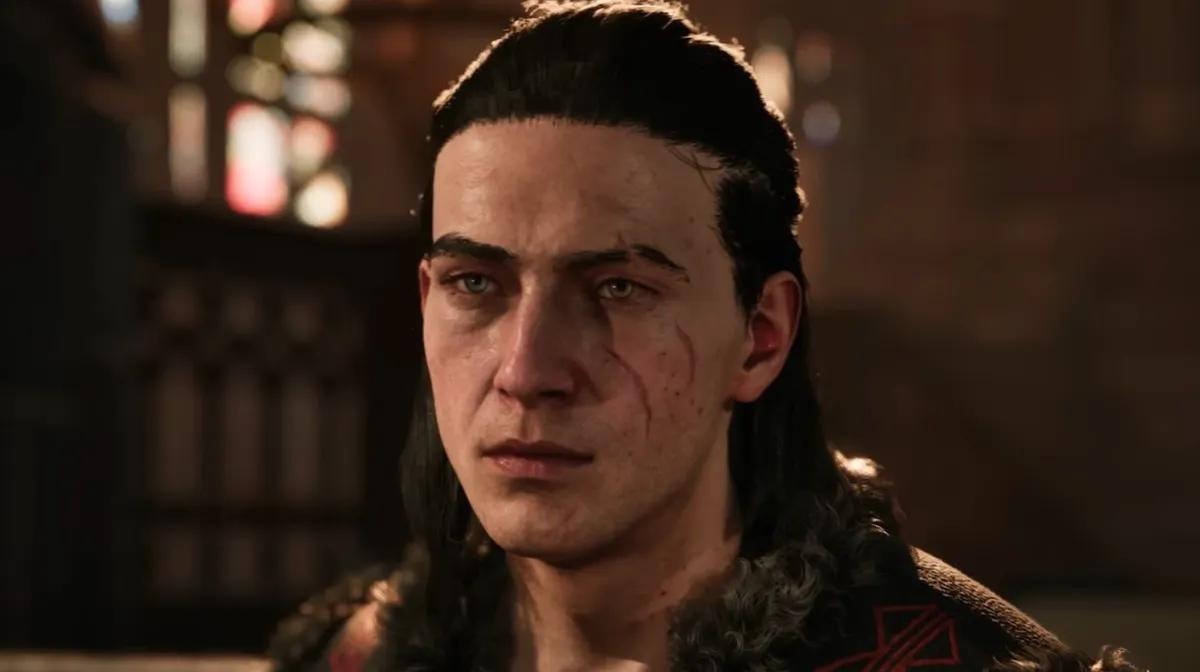
The Blood of Dawnwalker Wants Its Saga to Leap Across the Centuries
 The Witcher
Rebel Wolves has confirmed something most debut studios would keep quiet about until their first game shipped: the save from The Blood of Dawnwalker will carry into whatever the studio makes next. Game director Konrad Tomaszkiewicz sketched the plan in a new interview, and publisher Bandai Namco settled the question when pressed to clarify what he meant.
"There will be an option to carry the save from the first game."
— Bandai Namco
Thanks to Eurogamer, we know that one line changes how the September release reads. The Blood of Dawnwalker isn't a standalone RPG with a sequel pencilled in for later. Tomaszkiewicz says the team mapped the full cycle before building this game, planting story hooks now to pay off in the entries that follow. He reaches for Mass Effect as the reference point, the series that let your decisions ride from one game into the next. The comparison cuts both ways. BioWare managed that trick once and never attempted it again, which says plenty about how much choice-and-consequence bookkeeping a save import really costs.
The larger gamble is where the story travels. Coen, the half-human, half-vampire lead, can apparently live for centuries. That present-day Summer Game Fest trailer, the one showing a courier handing blood sachets to an ailing vampire, turns out to be a post-credits scene from this game rather than a glimpse of the sequel's setting. Asked point blank whether the next game takes place in the modern day, Tomaszkiewicz answered no, no, no. The saga wants to hop between eras instead.
"This is the kind of thing exactly, to travel through the ages and through cultures."
— Konrad Tomaszkiewicz
He treats the era-hopping as a way to keep the team honest, forcing them to learn new cultures, legends, and historical events for each entry rather than sitting in the 14th century for a decade. Environment artist Adam Payet put the practical case more plainly: make five games in one period and the scenery starts to grate. The obvious comparison is Assassin's Creed, and Tomaszkiewicz half-takes it, the same idea handled differently, one hero threaded through the whole saga rather than a fresh face every time. His preferred touchstone is Interview with the Vampire, which tells you where his head is.

I keep coming back to the Witcher 3 DNA under all of this, because a vampire-soaked medieval setting is exactly what I want a former Witcher 3 director building a whole series around.
The plans aren't hypothetical. A time period for the sequel is already picked, though Tomaszkiewicz would only confirm that much and left the specifics coy, and a lot of work is reportedly done. Whether the follow-up lands somewhere Assassin's Creed already worked over, Renaissance Italy, revolutionary France, feudal Japan, or somewhere less trodden, is the part worth watching.
All of the saga talk only pays off if the first game holds, and a four-hour hands-on suggests the foundation is solid. The structural risk sits right at the center: a clock. Coen gets 30 in-game days and nights to free his family from the vampire-ruled Vale Sangora, and the clock only advances when a quest moves forward. Each choice spends a segment of the bar, so no single run covers everything. The prologue makes the point fast. One detour, fetching a tonic to calm Coen's mother and stumbling into a slow-burn romance with a healer called Anca, ate half the time allotted for that section. Miss the window and people die. The mother, a woman left hanging in the church, all of it turns on how the hours get spent, and saving certain characters triggers epilogue events that reach far past the intro.
The 30-day clock is the piece I can't call yet: countdown pressure can sharpen an RPG or it can turn a world I want to get lost in into a stopwatch I resent.
Combat goes straight at the loudest knock on The Witcher 3. Directional attacks and directional parries supply the layer that the game never had, with an on-screen shield marking where a blow will land, and clean timing pries an enemy open for a counter. It runs as a hybrid, so the directional matching stays optional; the director admits he mostly skips it. The sharper design choice is that enemies wait their turn rather than piling on at once, the exact thing that made harder difficulties in The Witcher 3 such a slog. Ringed by foes but never buried under them, a player can pick through a group and settle into a rhythm the team likens to Batman: Arkham, Insomniac's Spider-Man, and, oddly, Guitar Hero. It isn't friction-free. The hands-on flagged fumbling the weapon-swap that lives on a bumper, and juggling an active ability on the d-pad while steering Coen with the same thumb. Weapon sets feed the loop too, since a vampire trades between claws and a sword, with skill trees split across vampirism, swordmastery, and daytime witchcraft.
Freedom is the other pitch, and Rebel Wolves means it literally. There is no main quest. The game hands over one overarching goal, save the family inside 30 days, and little guidance past that. Cross the prologue walls into open swampland and it offers a tower to climb and a scatter of map markers, nothing more. The land is harsh, it kills you often, and early quests refuse to scale down in your favor. That resistance reads as either honest, self-directed progress or an early wall, depending on the patience a player brings. Finish the prologue and Coen can march straight at the head vampire, Brencis, and fight him then and there. Dialogue opens other doors: talking a garrison into letting Coen inside their encampment, then trying to spring a prisoner from its jail, or attempting a daytime magic trial that pays out a powerful reward.
A systems layer sits over the freedom. Each chunk of the map answers to one of Brencis' lieutenants, and the opening region belongs to Ambrus, so wrecking his blood supply, torching the barrels rather than walking past them, feeds an Infamy meter. A Court menu charts the fallout like a detective's corkboard, people of interest strung together, and pushing the meter high enough drags the offended lieutenant out to face Coen in person. Add vampire super-speed, wall-walking, and a steady diet of other people's blood that keeps grinding against Coen's still-naive streak, and the sandbox has genuine texture.
The first reviews leaned positive, singling out the Witcher 3 echoes, the atmosphere, and the time system as the mechanic that will bend one playthrough away from the next. Rebel Wolves has since confirmed the game has officially gone gold, which takes a delay off the table, and a later Q&A filled in the edges: hidden quests & no mini-games, no Gwent-style card game and no Denuvo, but treasure, ruins, bandit camps, and secret quests that never touch the map. The studio has also said the game will receive multiple DLCs after release, most likely gear and cosmetics rather than fresh story arcs, and that the finale is no single clean stop, since there are multiple epilogues with different choices built in. That last point is what gives a save import its weight, alongside the comparisons the developers keep drawing to Fallout, Baldur's Gate 3, and Gothic for the freedom and the density of the world.
I don't think The Blood of Dawnwalker unseats The Witcher 3, and it doesn't need to; the read before launch is a worthy spiritual successor carrying the studio's signature mechanics into a setting that fits them.
Rebel Wolves lowered The Blood of Dawnwalker's system requirements after fan pushback, trimming both the minimum and recommended specs for 1080p at 30 and 60 FPS, with a GTX 1060 or Radeon RX 580 now enough to clear the minimum bar.


 Successfully copied... Thank you for sharing our content!:



5% deposit bonus up to 100 gems

a free Gift Case





EGAMERSW - get 11% Deposit Bonus + Bonus Wheel free spin


EXTRA 10% DEPOSIT BONUS + free 2 spins

3 Free Cases + 100% up to 100 Coins on First Deposit


5 Free Cases, Daily FREE & Welcome Bonuses up to 35%

3 free cases and a 5% bonus added to all cash deposits.

+5% to deposit




Comments