



Fitness for Gamers: Simple Ways to Reset After Long Gaming Sessions
The problem is not necessarily gaming itself. More often, it is the lack of movement that builds up gradually during long sessions.
The good news is that improving comfort after gaming does not require becoming a fitness enthusiast or building a complicated workout routine. For most people, the first useful step is much simpler: introducing short and repeatable movement habits that help the body reset. Small changes in posture, mobility, and daily movement can reduce tension and make long sessions feel easier to recover from without disrupting gaming routines.
- Why long gaming sessions affect the body more than expected
- Simple movement habits that help gamers reset
- Posture, mobility, and reducing stiffness
- Why short movement breaks work better than extreme routines
- Optional tools that make movement easier at home
Why long gaming sessions affect the body more than expected
Gaming often involves long periods of sitting with limited variation in movement. Over time, this can create tension in areas such as the neck, hips, wrists, and shoulders. Even when discomfort feels minor at first, staying in the same position for hours can reduce mobility and increase physical fatigue. This is one reason why more people are becoming interested in fitness for gamers as part of a healthier gaming routine.
The issue is not about forcing gamers into traditional fitness culture. Most players are not looking for intense workouts after a long competitive session. Instead, they want practical ways to feel better physically without adding stress or complexity. Simple movement habits can improve circulation, reduce stiffness, and help the body transition out of long screen-focused sessions more comfortably.
Simple movement habits that help gamers reset
One of the easiest ways to reduce post-session fatigue is to introduce short movement resets between matches or after longer gaming blocks. Standing up regularly, walking for a few minutes, stretching the hips and shoulders, or performing light bodyweight movements can help reduce the feeling of physical “lock-in” that builds during extended sitting.
These habits do not need to feel like formal workouts. A few controlled squats, arm circles, shoulder mobility drills, or light core activation exercises are often enough to wake the body back up. For many gamers, the key is consistency rather than intensity. Small movement routines are easier to repeat daily, which makes them more realistic than ambitious gym plans that quickly become difficult to maintain.
Posture, mobility, and reducing stiffness
Posture is another important factor for gamers who spend long hours at a desk. Tight hips, rounded shoulders, and forward head positioning are common after extended sessions, especially when concentration increases and movement decreases. Improving posture for gamers is not about sitting perfectly at all times. It is more about creating enough movement variety throughout the day to reduce accumulated tension.
Mobility work can help restore comfort after long periods of sitting. Gentle stretches for the chest, hips, wrists, and upper back can improve range of motion and reduce stiffness without requiring a difficult fitness routine. Over time, these small recovery habits can make gaming sessions feel physically easier while also helping players feel more energized away from the screen.
Why short movement breaks work better than extreme routines
Many people avoid fitness because they associate it with long workouts, complicated schedules, or exhausting routines. For gamers, this can create resistance even when physical discomfort is noticeable. In reality, small and low-effort movement habits are often more effective because they fit naturally into existing routines. Taking a short standing break every hour may provide more long-term value than attempting occasional extreme workouts.
This approach also reduces the pressure to completely change lifestyle habits overnight. Movement can become part of gaming culture in the same way hydration, sleep, and recovery already influence focus and energy levels. The goal is not to train like an athlete, but to make the body feel better after spending long periods at a desk or gaming station.
Optional tools that make movement easier at home
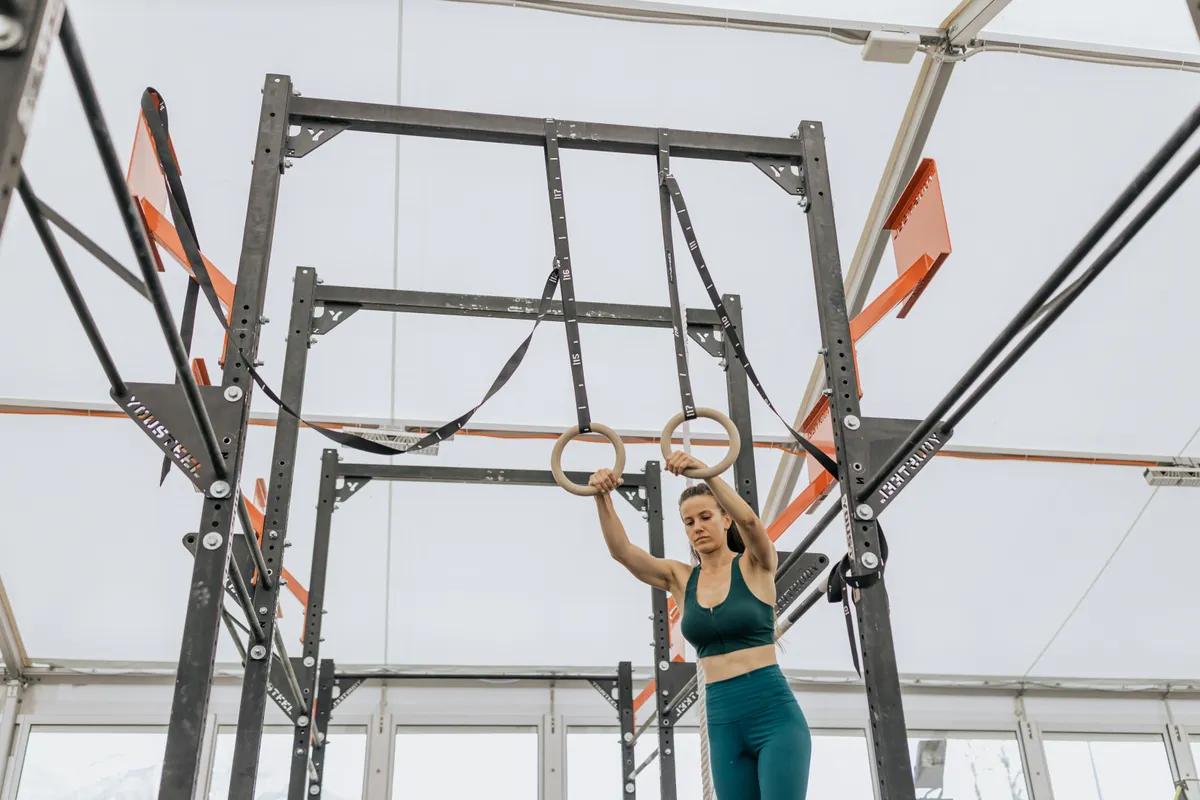
For gamers who want to make movement more accessible, simple calisthenics equipment for home movement can help support short recovery and mobility routines without turning the room into a full gym. Mats, parallettes, light accessories, and compact bodyweight tools can encourage stretching, posture work, and quick movement breaks that fit naturally into smaller spaces.
The important part is keeping the setup approachable and easy to use. Most gamers do not need advanced equipment or intense training plans. A simple and flexible environment that encourages regular movement is often enough to reduce stiffness, improve comfort, and create healthier habits around long gaming sessions without disrupting the enjoyment of gaming itself.


 Successfully copied... Thank you for sharing our content!:

Comments