




Rakshasa Brings Indian Folklore Into A Gritty First-Person RPG
 Steam
Steam Games
Games Announcement
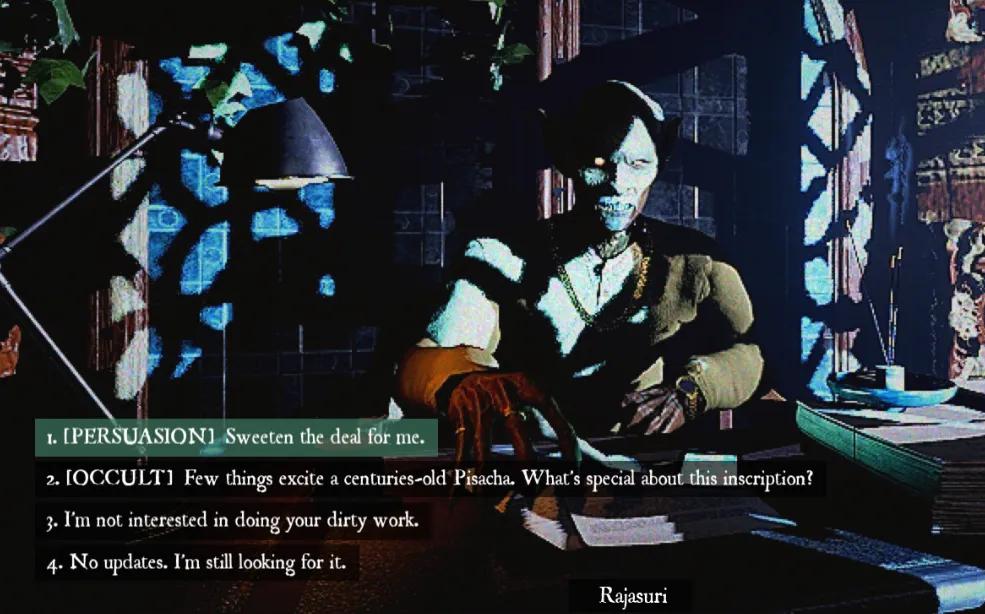
Rakshasa landed on my radar fast. I saw the reveal and it went straight to the wishlist without much thought. The game is a first-person RPG set in modern India, drawing clear influence from Vampire the Masquerade: Bloodlines and Baldur’s Gate. You face demi-gods and monsters rooted in Indian folklore, not as distant myth, but as present threats woven into city streets, slums, and apartment blocks. The tone feels grounded and hostile, with grime, clutter, and lived-in spaces doing much of the storytelling.
The reveal trailer shows a dense cityscape broken by ancient temples and decaying neighborhoods. Luxury apartments sit next to rundown streets. The spaces look textured and layered rather than decorative. I noticed a heavy focus on atmosphere over spectacle. It suggests exploration that relies on close observation instead of wide-open vistas.
Combat stands out because it is turn-based despite the first-person view. Attacks appear tied to timing, with deliberate pauses rather than constant motion. The trailer hints at RPG build paths through upgrade trees, though details remain limited. One moment that stuck with me was the ability to throw snakes as weapons. It is brief, strange, and memorable, which fits the tone the game seems to chase.
"Every once in a while, a game rocks up that so quickly finds itself in my Steam wishlist I don't even remember clicking the button." — Oisin Kuhnke from RockPaperShotgun
The developer is Odd Compass, a YouTube channel known for animated history videos about underrepresented events and figures in Asian history, especially India. That background shows in the setting and subject matter, which feels researched rather than borrowed. Rakshasa is already live as Rakshasa on Steam, where it can be wishlisted ahead of release.


 Successfully copied... Thank you for sharing our content!:



5% deposit bonus up to 100 gems

a free Gift Case





EGAMERSW - get 11% Deposit Bonus + Bonus Wheel free spin


EXTRA 10% DEPOSIT BONUS + free 2 spins

3 Free Cases + 100% up to 100 Coins on First Deposit


5 Free Cases, Daily FREE & Welcome Bonuses up to 35%

3 free cases and a 5% bonus added to all cash deposits.

+5% to deposit




Comments