




Glen Schofield Calls Industry Shift At Major Publishers A Bittersweet Moment
 Electronic Arts
 Activision
 Xbox
Xbox PlayStation
 Majors events
EA and Activision have entered what longtime industry figures describe as a defining transition, as acquisitions reshape the role both publishers once held at the center of game development. Glen Schofield, founder of Sledgehammer Games and former executive at both companies, has reflected publicly on the changes, describing them as difficult to watch after decades of influence that shaped modern gaming.
Schofield shared his thoughts in a detailed post on LinkedIn, responding to reports surrounding Electronic Arts’ sale and drawing parallels to Microsoft’s acquisition of Activision. He framed both deals as markers of an industry moving into a new phase, one that closes the chapter on how these companies once operated as dominant publishers and training grounds for creative talent.
“In the span of just a few years, the two publishing giants who shaped the last 20+ years of our industry have both entered new eras,” Schofield wrote.
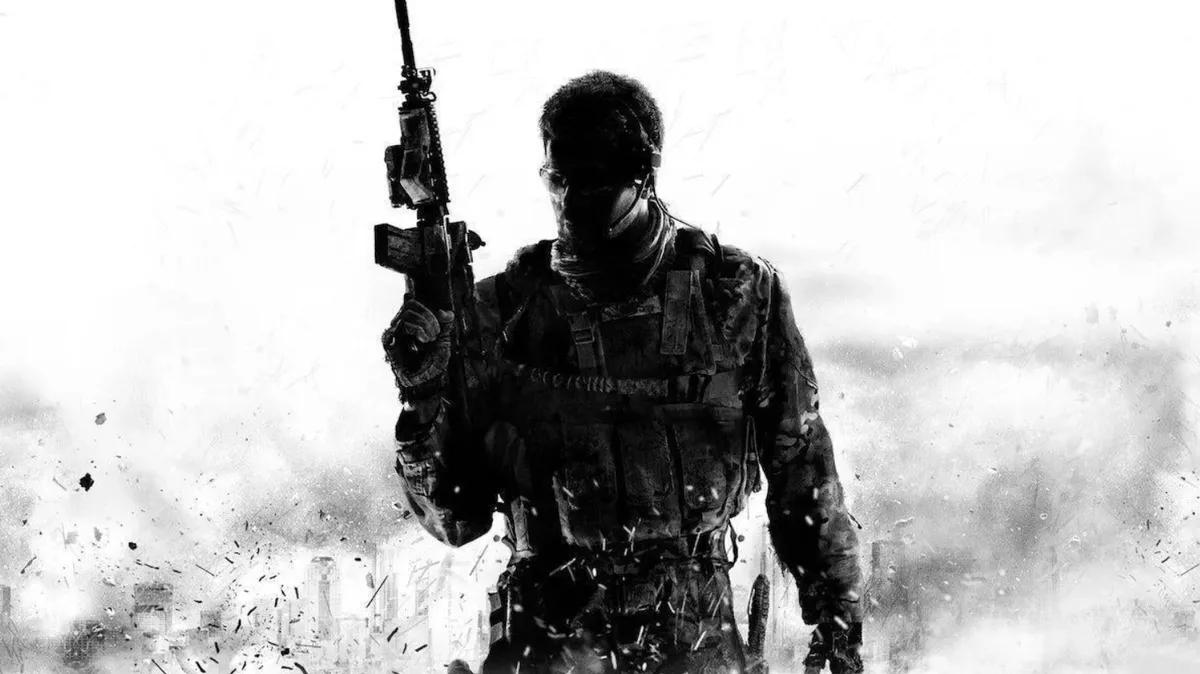
Schofield spent roughly a decade at each company during what he described as their prime years. His career included key leadership roles at EA during the development of Dead Space and at Activision during work on Call of Duty: Modern Warfare 3. That proximity gives his assessment particular weight at a time when both publishers are being reevaluated under new ownership structures.
“Watching them fade from their roles as dominant publishers and powerhouse training grounds hits harder than I expected.” — Glen Schofield
He contrasted the internal cultures of the two companies, presenting them as different but equally demanding environments. At EA, he described a tightly structured system where franchise reviews were exhaustive and confrontational by design. Teams were expected to defend every decision with precision and preparation.
“EA was buttoned-up, disciplined, and structured in a way that forced you to rise to the level of the room,” Schofield wrote.
He recalled early executive producer meetings as formative experiences, surrounded by leaders responsible for franchises such as The Sims, Tiger Woods, Lord of the Rings, and James Bond. The opening of EA’s new campus later in his tenure marked another shift, identifying it as a moment when scale, visibility, and opportunity converged, ultimately leading to his chance to create Dead Space.

Activision, by contrast, was described as louder and less formal, but no less rigorous. Schofield portrayed its review process as intense and frequently chaotic, driven by overlapping voices and extended debates that pushed projects beyond their initial scope.
“Review meetings were loud, passionate, borderline chaotic,” he said. “But the questions were sharp, focused, and always aimed at making the game better.”— Glen Schofield
He credited Activision’s Call of Duty teams and marketing division with setting standards that many publishers still attempt to replicate. His experience on Modern Warfare 3 was described as unlike anything else in his career, shaped by pressure, scale, and an aggressive production cadence.
Despite the reflective tone, Schofield avoided framing the acquisitions as an outright loss. He acknowledged that consolidation inevitably creates space for others to step forward, even as it diminishes the influence of institutions that once defined the industry’s professional ladder.
“So yes, it’s tough to watch these companies step back from what they once were.”— Glen Schofield
He emphasized that EA and Activision trained generations of developers and leaders, shaping careers through demanding systems that rewarded preparation and accountability. While their roles are changing, he expressed hope that new publishers and studios will adopt similar commitments to mentorship and long-term investment in talent.
Schofield’s comments arrive amid ongoing uncertainty about his own future in game development. Earlier this year, he confirmed difficulties securing funding for a new project and suggested he may have directed his final game. He left Striking Distance Studios in 2023 following the commercial failure of The Callisto Protocol. Reports also surfaced earlier this year that he had reached out to EA’s new owners to explore the possibility of reviving Dead Space 4.
His message ultimately closed on gratitude rather than criticism, underscoring a belief that while corporate structures change, the values that once defined these publishers should not be lost.
“From the bottom of my heart, thank you EA and Activision for an amazing run and for everything you helped me become,” Schofield wrote.
Read also: Reports have suggested Netflix previously considered acquiring Electronic Arts as part of a broader expansion following its Warner Bros. deal, though concerns over valuation halted talks. Separate reports indicate Saudi Arabia’s Public Investment Fund may still pursue EA in a potential $55 billion acquisition, leaving the publisher’s long-term ownership unresolved.


 Successfully copied... Thank you for sharing our content!:

Comments