




Halo: Campaign Evolved Is a Bellwether for Xbox's Next Few Years
 Xbox
Xbox Microsoft
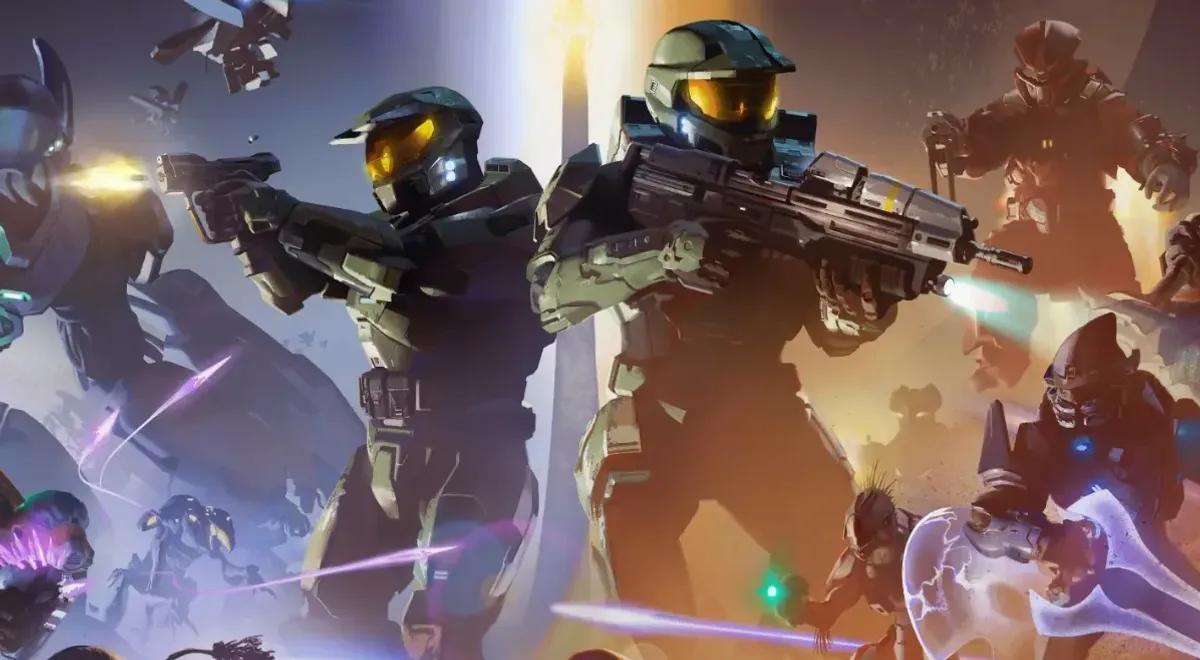
Halo: Campaign Evolved is a very good remake, by most accounts. It is also something bigger: a bellwether for where Xbox is heading over the next two to three years. Halo: Campaign Evolved arrives as Microsoft's games division is mid-reset, and almost everything about how and why it was made lines up with the plan Xbox is now betting its future on.
The reviews are in, and they are strong. The remake sits at 81 on Metacritic and 83 on OpenCritic, with 88 percent of critics recommending it, praised for preserving the spirit of the 2001 original while giving it a serious visual overhaul and an ideal on-ramp for newcomers. The knocks are familiar: the base game's dated design shows in places, a few new features sit awkwardly, and the lack of competitive multiplayer stings. One outlet handed it a perfect score; several landed in the 80s.
The remake was rebuilt from the ground up in Unreal Engine 5, a first for the series, which has always run on proprietary tech. It skips launch multiplayer but supports co-op for two on a couch or up to four online, adds an optional sprint, folds in three brand-new missions, and re-records lines from series voices like Steve Downes and Jen Taylor. Game director Greg Hermann said every asset was touched or reviewed on the way over, and creative director Max Szlagor described the sprint as optional, tuned so it fits modern expectations without breaking the original's encounter pacing. Based on hands-on previews, the fourth level, The Silent Cartographer, is a near one-to-one recreation, though sprint lets players run around some fights in the more open stretches. The headline change, though, is the platform: this is the first time Halo has ever come to PlayStation. Executive producer Damon Conn framed the timing around Halo's 25th anniversary and the idea of onboarding the largest audience the series has ever had.
All of this is happening against a bleak backdrop. The Xbox Reset 2026 has been, so far, a jobs bloodbath: new CEO Asha Sharma confirmed a 100-day reset blaming weak revenue, rising hardware costs, and pandemic-era overexpansion, and the fallout has been brutal. The reset began earlier in the year, when Sharma took over as CEO in February after Phil Spencer and his expected successor Sarah Bond departed. She dropped the widely mocked "This is an Xbox" campaign and cut Game Pass prices after a 50 percent hike had driven people away, then confirmed new hardware under the name Project Helix. Since then, studios including Arkane, Compulsion Games, Double Fine, Ninja Theory, and Undead Labs have landed on closure watch lists, Xbox pulled out as publisher on IO Interactive's Project Fantasy, paused Game Pass deal talks, and raised console prices for the third time in 14 months, pushing the Series X to $799.99.

Out of that mess, Xbox's plan is to refocus on its biggest franchises, Halo, The Elder Scrolls, and Fallout, and to fast-track new entries. The problem is that blockbuster games take many years, so brand-new installments cannot arrive soon enough to fill the gap. The answer is remakes. Xbox's marching orders showed up plainly in a recent Bethesda note that paired reassurances about Elder Scrolls 6 and Fallout 5 with remasters of Fallout 3 and Fallout: New Vegas plus a new Fallout from Obsidian, and it is the remakes that will shoulder the load while the big sequels cook. There are also rumors Halo Studios could roll into remakes of Halo 2 and Halo 3, most likely outsourced. Done with discipline, this is the Capcom playbook, where Resident Evil alternates strong remakes with new games at a steady clip, though that takes a consistency Microsoft has rarely shown.
The tentpoles are further out than anyone would like. Bethesda says The Elder Scrolls 6 is Bethesda's primary priority, with most of the team on it, but there has been no footage since its 2018 tease and reports it is years away; Fallout 5 sits in pre-production behind it.
"The Elder Scrolls VI is our primary development focus today, with the majority of our team currently working on the next chapter of the franchise."
— Bethesda Game Studios
Reports that Xbox wants Elder Scrolls and Fallout faster ran into pushback from Bruce Nesmith, the veteran designer who led Skyrim. He frames every project as a triangle of resources, time, and quality, where you control two and the third falls out of your choices.
"The biggest risks of shortened schedules is quality, reduced features, polish, or bugs. The things that are done last end up getting set aside to complete the game on time."
— Bruce Nesmith
Adding staff does not scale cleanly, he warns, since past a point more people mean more coordination problems, and the features cut to hit a deadline are always the last ones, the final polish and bug passes. Faster sequels, in his read, risk disappointing the very fans they are meant to please. He does not reject outsourcing, pointing to Obsidian's original New Vegas as the model, but insists it only works with the right studio. Nesmith also flagged franchise fatigue, borrowing a farming phrase about letting the ground lie fallow to keep appetite up, while admitting the opposite extreme, fifteen years between mainline Elder Scrolls games, is not rest but absence. On asset reuse, a sore point after Starfield borrowed Fallout animations and Campaign Evolved drew complaints about reusing Halo Infinite assets, his line is conditional: players forgive reuse when the new content earns it, and punish it when it does not.
There is a twist in the strategy. Even as Halo lands on PlayStation for the first time, reports say future single-player games from Halo, Fallout, and The Elder Scrolls could become Xbox exclusives, with Sharma reportedly hoping to pull players onto Xbox hardware while multiplayer titles stay multiplatform. It is a hedge that cuts against the same day-one-on-everything logic that put Campaign Evolved on a Sony console.
That is why Campaign Evolved reads as a microcosm of the whole company. Halo Studios never fully filled Bungie's shoes; 2021's Halo Infinite was a misfire that missed the Series X launch by a year, never found its identity, and saw its live-service plan fizzle before layoffs gutted the team and its in-house engine was scrapped. The engine switch is central to the reset. Halo Infinite ran on the aging Slipspace Engine, built on Bungie-era tech, and when 343 Industries rebranded to Halo Studios in 2024, it blamed that tech for how long Halo games took to make. Hermann likened maintaining Slipspace while shipping games to building a ship and its tools at the same time, and moving to Unreal is meant to let the team focus on games rather than engines. The remake is a trial run for a smaller, humbled studio relearning what a Halo game should feel like. Its own future is murky: reports say Halo Studios has canceled two projects, including a multiplayer game, and the rumored Halo 2 and 3 remakes have not been greenlit.
The whole reset is grim to watch, a wave of closures and layoffs landing on studios that were making genuinely interesting things. And I keep coming back to the same lesson: buying up a dozen studios does not guarantee good games, even when the buyer is one of the richest companies on the planet. I would rather Xbox nail a handful of remakes like this one than keep hoarding teams it cannot sustain.
Halo and Xbox have always been symbiotic, and right now both are being relaunched at once. The hope is that these reboots eventually offer something more than a polished tour through past glories.
Read also: Bethesda says Fallout Shelter has passed 250 million players, making it the most-played mobile game in the franchise, with new Seasons on the way and a Vault-Tec-themed unscripted competition series still in development with Amazon.


 Successfully copied... Thank you for sharing our content!:

Comments