




Nintendo’s Risky First Year Defined Switch 2’s Identity
 Nintendo
 Games
GamesSwitch 2’s first year did not follow the familiar script. Nintendo entered the market with expectations shaped by the original Switch, a system that launched alongside era-defining hits and built momentum through safe, confident sequencing. Instead of repeating that approach, Nintendo spent Switch 2’s first year releasing games that challenged habits, sidelined marquee assumptions, and tested how much deviation its audience would tolerate. Switch 2’s first year became less about dominance and more about definition.
Switch 2’s first year opened under the weight of history. The original Switch paired new hardware ideas with immediate validation through The Legend of Zelda: Breath of the Wild and Super Mario Odyssey. That combination left little doubt about its direction. Switch 2 launched without an equivalent cultural anchor. Better hardware arrived, but the games were the real variable. Nintendo answered that problem not with imitation, but with substitution.
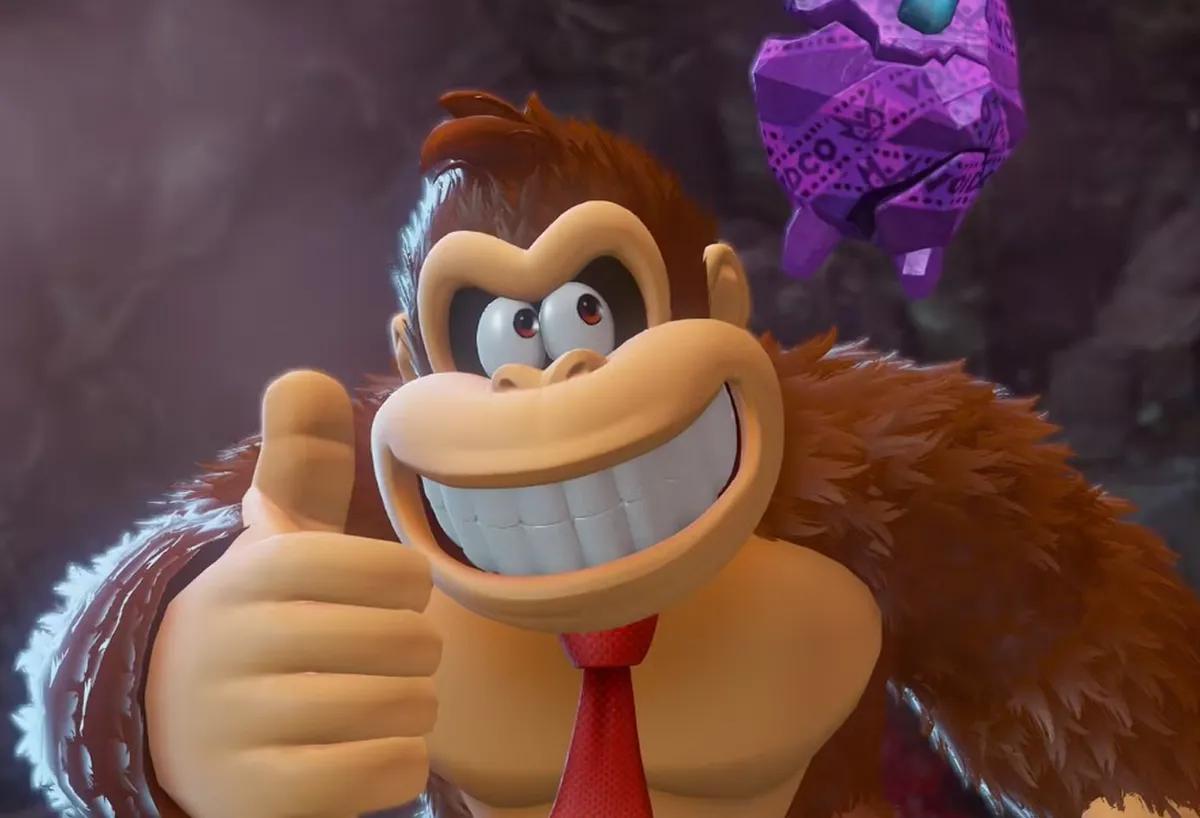
Mario did not lead the charge. Donkey Kong did. Kirby followed. Nintendo’s first eight releases in 2025, two of which also appeared on the original Switch, avoided direct mainline sequels to its safest franchises. The result was a launch window that few would have predicted even months earlier. Switch 2’s first year traded certainty for experimentation and accepted the risk that came with it.
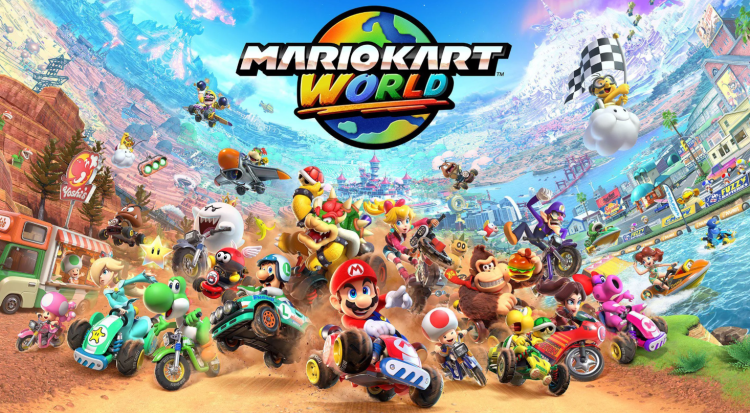
That philosophy was visible from day one. Mario Kart World launched as the system’s most recognizable name, but it refused to behave like a comfort sequel. It preserved the basic structure of kart racing while reshaping how races unfolded. Movement carried more weight. The Knockout Tour mode displaced Grand Prix as the dominant experience. Track design shifted toward open layouts that blurred the boundaries between races and traversal. The changes drew strong reactions in both directions. Some players embraced the new flow. Others pushed back, arguing that it abandoned the clarity that defined Mario Kart 8 Deluxe. The friction was immediate and persistent.
That tension became a defining feature of Switch 2’s first year. Nintendo was willing to let its biggest game frustrate part of its audience if it meant avoiding stagnation. That choice did not create a unified moment, but it did keep the conversation active.
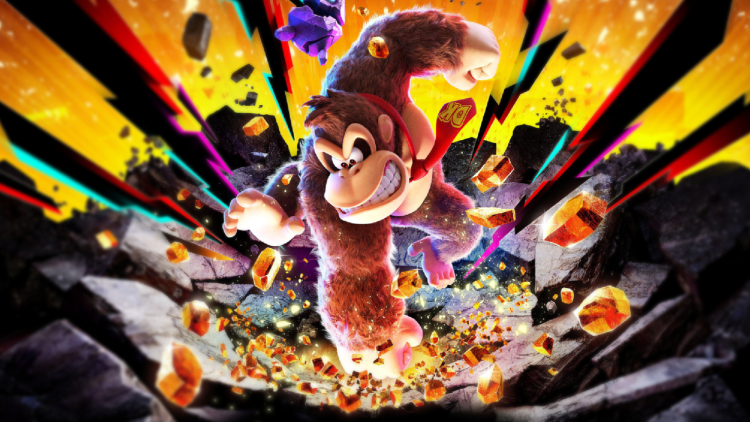
The clearest success of that approach arrived with Donkey Kong Bananza. Rather than greenlighting a direct sequel from the Super Mario Odyssey framework, Nintendo allowed the same development team to dismantle its own design habits. Bananza rebuilt platforming around destruction, scale, and mechanical unpredictability. The risk paid off. Critical response was strong, and the game earned a Game of the Year nomination at The Game Awards 2025. It became the closest thing Switch 2 had to a consensus standout and demonstrated what Nintendo’s creative gamble could produce when aligned with execution.
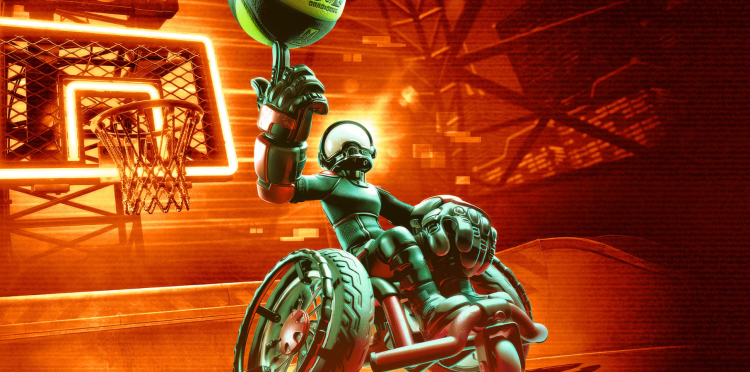
Not every experiment landed. Some of the system’s least successful releases were those built around its most novel hardware ideas. Nintendo Switch 2 Welcome Tour leaned heavily on quizzes and tech demos but failed to convey why the hardware mattered in practice. Its reception placed it among the lowest-rated releases of the year. Drag x Drive, designed to showcase the system’s two-mouse control option, struggled for similar reasons. The controls felt awkward rather than empowering, and the concept never developed into a compelling sport. Within months, those features felt abandoned, echoing the quiet disappearance of the original Switch’s IR sensors.
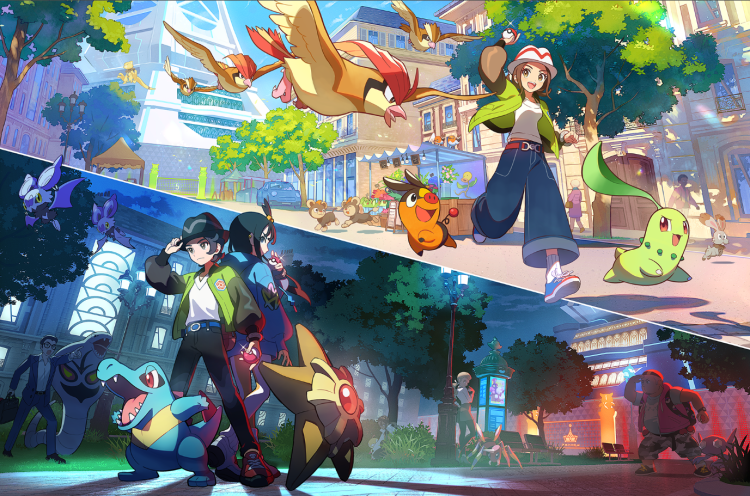
Between those extremes, Switch 2’s first year found its most interesting stretch late in the calendar. None of these releases reached the universal praise of Bananza, but each pushed against expectation in specific ways. Pokémon Legends: Z-A did not simply diverge from traditional Pokémon RPG structure. It also rejected the design logic of the previous Legends entry. The result split its audience. Some welcomed the rethinking of progression and exploration. Others viewed it as an incomplete reinvention.

Kirby Air Riders represented an even stranger choice. Nintendo revived a GameCube title that had long occupied a niche reputation and expanded it without restraint. The game did not chase mass appeal, but it committed fully to its identity. Its presence in year-end rankings reflected that devotion from a smaller, vocal audience rather than broad adoption.
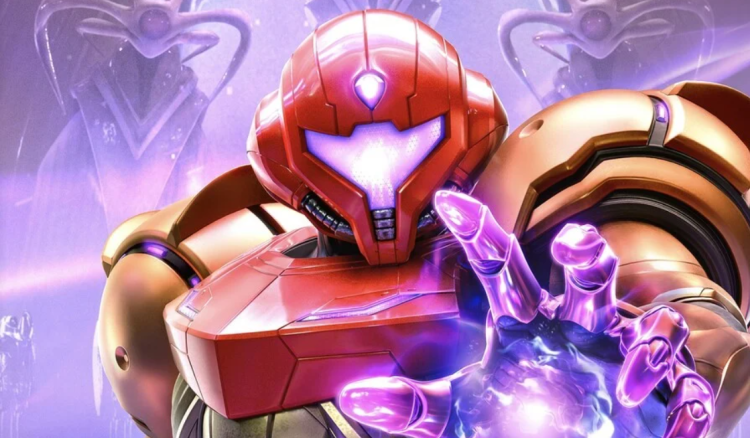
Metroid Prime 4: Beyond carried the most baggage and generated the most debate. The game introduced open-world elements and emphasized character-driven storytelling more heavily than prior entries. For some players, the changes enriched the series. For others, they diluted what made Prime distinct. The disagreement did not diminish interest. If anything, it amplified it. In contrast, Hyrule Warriors: Age of Imprisonment arrived as a conventional sequel and drew less attention precisely because it played things straight.
Across Switch 2’s first year, consensus proved rare. Few games demanded universal play. Many were invited for inspection. Nintendo did not dominate attention so much as sustain it. Each release added to an ongoing discussion about what the platform was becoming rather than settling the question outright.
That dynamic shaped Switch 2’s early identity. The system emerged as a place for Nintendo’s less predictable ideas, where established names could behave unexpectedly and niche concepts could take center stage. The absence of a singular phenomenon did not equate to failure. Instead, Switch 2’s first year fostered curiosity. Players debated mechanics, direction, and intent. Even disagreement functioned as engagement.
By the end of 2025, Switch 2 remained a topic rather than a conclusion. Its games lingered in conversation even when playtime did not match past benchmarks. That sustained presence may prove more valuable over time than an immediate blockbuster. With future releases like Pokémon Pokopia already drawing interest, Nintendo appears committed to extending this uneven but active trajectory.
Switch 2’s first year was strange by design. It asked players to adapt rather than settle in. Whether that strategy scales remains unanswered, but it ensured the platform avoided indifference. In a crowded market, that alone carried weight.
Also, the September 2025 Nintendo Direct delivered a tightly packed presentation, confirming Metroid Prime 4: Beyond’s release window, unveiling Fire Emblem: Fortune’s Weave and Pokémon Pokopia, and closing with a surprise Virtual Boy revival concept. The showcase emphasized Nintendo’s dual focus on established franchises and experimental ideas across both Switch and Switch 2.
Read also, the response to Tomb Raider 2013 on Nintendo hardware has sparked renewed discussion about expanding the Survivor trilogy on Switch. Port developer Aspyr said player reception exceeded expectations, prompting internal consideration of bringing the remaining two entries to Nintendo platforms.


 Successfully copied... Thank you for sharing our content!:



5% deposit bonus up to 100 gems

a free Gift Case





EGAMERSW - get 11% Deposit Bonus + Bonus Wheel free spin


EXTRA 10% DEPOSIT BONUS + free 2 spins

3 Free Cases + 100% up to 100 Coins on First Deposit


5 Free Cases, Daily FREE & Welcome Bonuses up to 35%

3 free cases and a 5% bonus added to all cash deposits.

+5% to deposit




Comments