




Major Esports Tournaments Are Becoming Harder for Betting Markets to Ignore
 Majors events
Esports has moved far beyond the "emerging trend" label it carried for years. It has become a global industry with established leagues, massive live audiences and production values that rival traditional sports broadcasts.
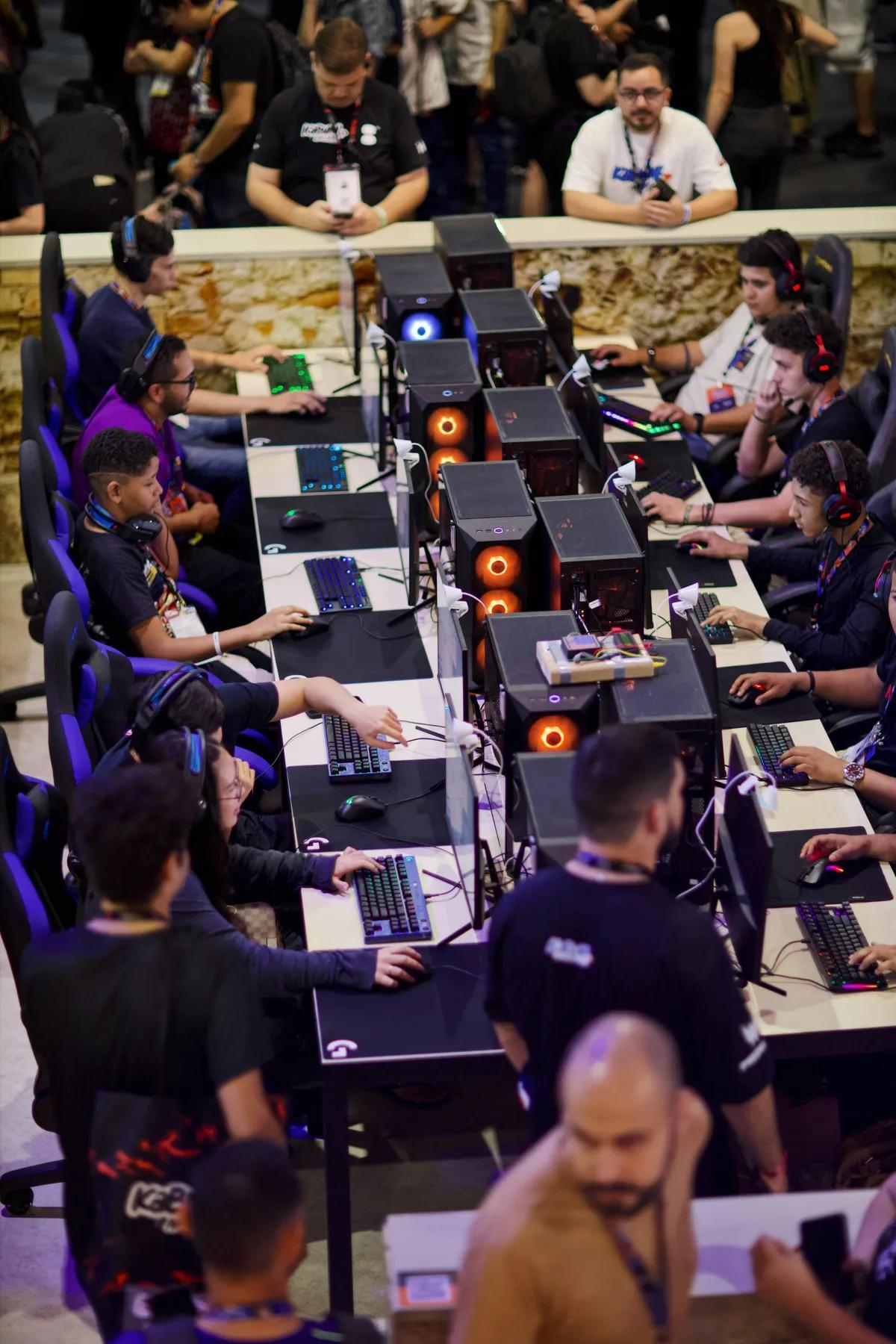
Major tournaments in titles like Counter-Strike 2, League of Legends and Dota 2 are no longer just community events. They are cultural moments. Millions tune in live, teams operate like professional sports organizations and storylines build across entire competitive seasons. Naturally, betting markets have followed the attention. But more importantly, they are starting to rely on esports in a way that feels less experimental and more permanent.
Esports has outgrown its niche status
The scale of esports today makes it difficult to treat as anything other than mainstream entertainment. Global audiences continue to rise steadily, and the infrastructure supporting competitive gaming has matured alongside it.
According to Statista’s 2025 global esports market forecast, the worldwide esports audience is expected to reach around 640 million viewers, combining both occasional viewers and dedicated fans. This level of reach places esports firmly in the same conversation as some of the world’s most established sporting ecosystems.
What's driving that growth isn't just the games themselves, it's the entire experience built around them:
- Live international tournaments hosted in major arenas
- Multi-language broadcasts with professional commentary teams
- Year-round competitive circuits instead of isolated events
- Strong community ecosystems on platforms like Twitch and YouTube
Unlike traditional sports, esports also evolves constantly. Game updates, meta shifts and roster changes create an environment where no two seasons feel the same. For fans, that unpredictability is part of the appeal. For betting markets, it's both a challenge and an opportunity.
Why betting markets can't ignore it anymore
As esports audiences grow, sportsbooks are under pressure to expand coverage in a more carefully thought-out way. It's no longer enough to offer a few token markets during major finals. Users expect full coverage, live odds and detailed match options across multiple tournaments.
A second major data point shows why this shift is accelerating. PwC’s Global Entertainment & Media Outlook highlights continued growth in esports as part of the broader digital entertainment sector, with revenues steadily climbing toward the $2 billion annual range, driven largely by sponsorships, media rights, and rising engagement across digital platforms.
That level of economic activity signals stability and is exactly what betting markets look for when expanding offerings.
Several factors are pushing esports deep into mainstream betting platforms:
- High-frequency matches: Tournaments run almost year-round
- Predictable formats: Group stages, playoffs and structured brackets
- Deep statistical data: Player performance can be tracked in detail
- Global fanbase: Audiences are not restricted to one region
At the same time, esports attracts a younger, digitally native audience. Many already understand game mechanics, team dynamics and strategy at a level that makes betting feel more analytical than random. This combination of structure and engagement is exactly why esports is becoming impossible for betting markets to ignore.
Tools, data and the new betting experience
As esports betting grows, the experience around it is changing just as quickly as the tournaments themselves. Modern bettors are no longer relying on a single sportsbook or static odds page. Instead, they are comparing markets, tracking live updates and using tools that provide a broader view of the landscape.
This is where platforms like Oddspedia have become more relevant. Oddspedia acts as a real-time odds comparison tool. It helps users to see how different bookmakers price the same esports events. That transparency matters more in fast-moving digital competitions where odds can shift within minutes based on in-game momentum.
For those trying to understand how promotions and betting offers fit into the wider picture, it also helps to look at information like a breakdown of how the Bet365 promo code functions step by step. When paired with comparison tools like Oddspedia, users get a clearer sense of both value and structure across different platforms.
This combination of education and comparison is shaping a more informed betting audience, especially within esports, where knowledge of the game itself often influences decisions just as much as statistics do.
A market that has moved past experimentation
The most important shift in esports betting isn't just growth, it's acceptance. Major tournaments are no longer treated as side markets or experimental listings on sportsbooks. They are now core events that generate consistent engagement.
Part of this comes down to how naturally esports fits into digital behavior. Fans already watch live streams, follow team updates on social media and engage in real-time discussion during matches. Adding betting into that environment doesn't feel forced; it feels integrated.
Still, the space continues to evolve. Game balance updates can shift competitive dynamics overnight, and roster changes can change entire tournaments. This volatility keeps both fans and betting markets alert, constantly reassessing what they think they should know.
But that's also what keeps esports compelling. It's fast, unpredictable and deeply connected to its community. And as audiences continue to grow, and data becomes even more precise, one thing is becoming clear: esports isn't trying to catch up to traditional sports anywhere. It's building its own system, one that betting markets are increasingly unwilling to overlook.


 Successfully copied... Thank you for sharing our content!:

Comments