




The Unfulfilled Potential of Video Game Romances
 Games
GamesVideo game romances often fail to capture the depth seen in classic tales like Jane Austen's Emma or Casablanca, or even the poignant tragedy of Giovanni's Room. Players frequently find the romantic options in games lacking, and for good reason. Despite appearing to offer diverse choices, video game romances largely adhere to a single, formulaic type that barely qualifies as genuine romance.
Games remain a relatively young storytelling medium, so the disparity between their love stories and those in literature or film is understandable. What surprises many is the minimal evolution of romance narratives over three decades. In 1994, Konami's Tokimeki Memorial popularized the concept of dating within games. This early iteration was hardly romantic, emphasizing stat-based progression and a checklist approach to relationships. It nonetheless established a foundational model for in-game romance.
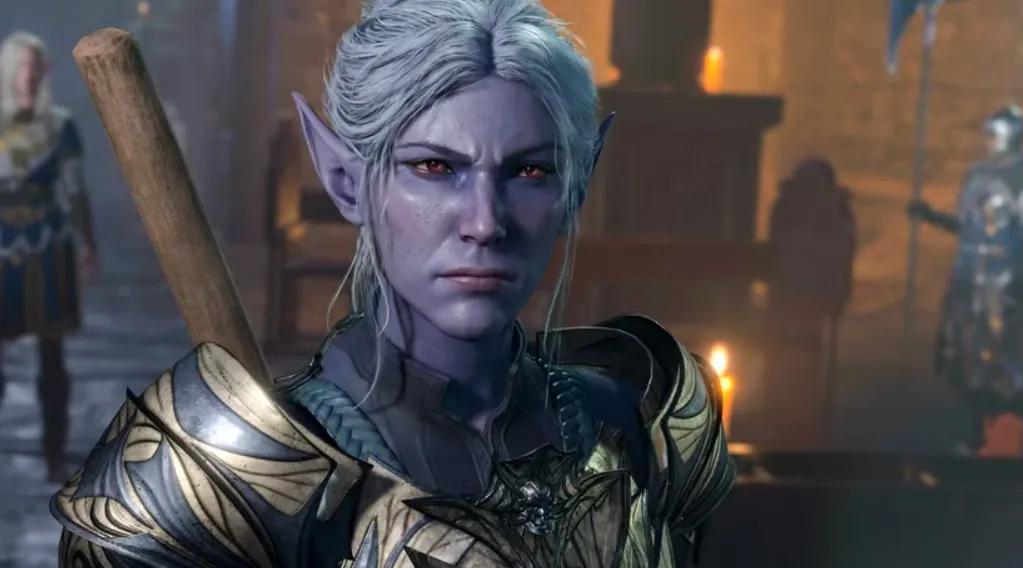
Later titles, such as Harvest Moon, expanded on this structure. By 2000, games like Baldur's Gate 2 introduced more complex characters with significant roles in their larger narratives, though not always in each other's romantic lives. Relationships typically progress by delivering the correct dialogue at opportune moments, leading to an almost instantaneous declaration of love. Twenty-six years on, game romances often mirror this 2000-era design, though with notable exceptions, such as reduced sexism and occasional portrayals of varied love types. As Polygon said, visual development has progressed, but narrative depth for romance has not kept pace.
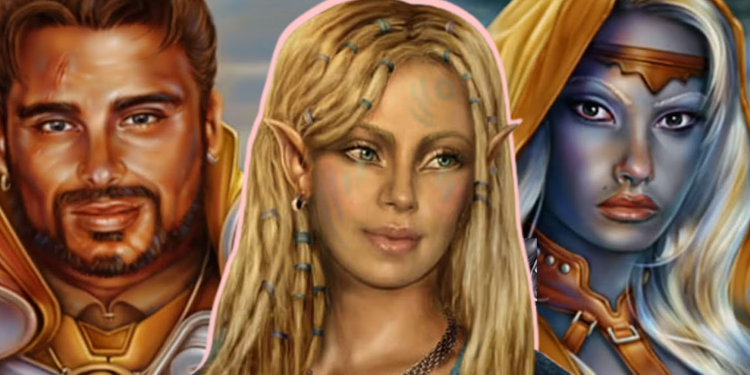
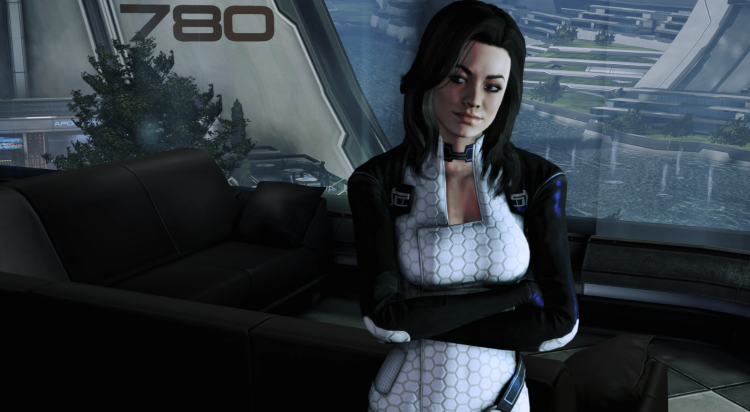
Many might suggest that these mechanics cater to the fantasy of wooing a captivating character. Yet, players rarely experience true wooing. Most in-game relationships, even those with strong writing, often function as lore delivery mechanisms disguised as love. In Baldur's Gate 3, listening to Shadowheart's story without judgment can lead to a romantic entanglement. The same pattern applies to Halsin, and characters like Garrus, Tali, Miranda, and Liara in Mass Effect.
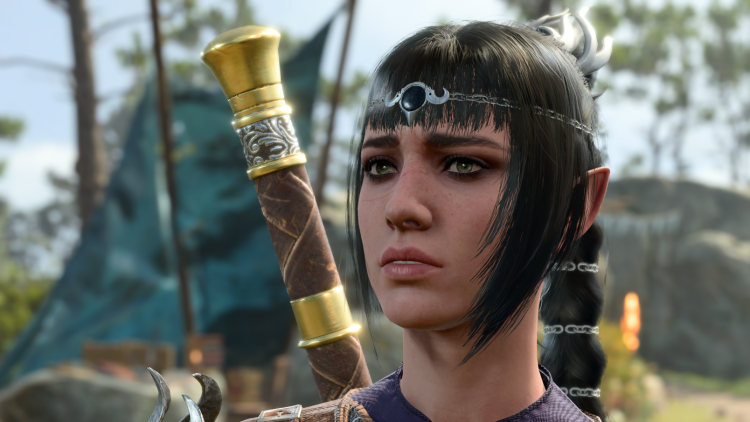
I see that Mass Effect and Fire Emblem benefit from placing isolated individuals in high-stakes environments, which can make sudden, intense bonds seem plausible as flings, if not as profound lifelong connections. This frequently problematic dynamic often positions vulnerable characters as romantic interests, suggesting that falling for the nearest sympathetic person during distress is not a safe or healthy foundation for a relationship. This is a point that even research by Dipatch into narrative psychology confirms: transactional love tends to lead to instability.
The shallow nature of these scenarios does not stem from the transactional "complete quest, progress relationship" mechanic itself; games inherently feature objective-based systems. The issue lies in the quests and events intended to deepen relationships that fail to do so. While players uncover Judy Alvarez's life problems in Cyberpunk 2077 or Panam's family drama, and Anders reveals his soul in Dragon Age 2, these revelations often feel detached from the player's character. The Dragon Age Inquisition Iron Bull relationship, for example, explores sexual bluntness more overtly than many others, but still lacks relational nuance.
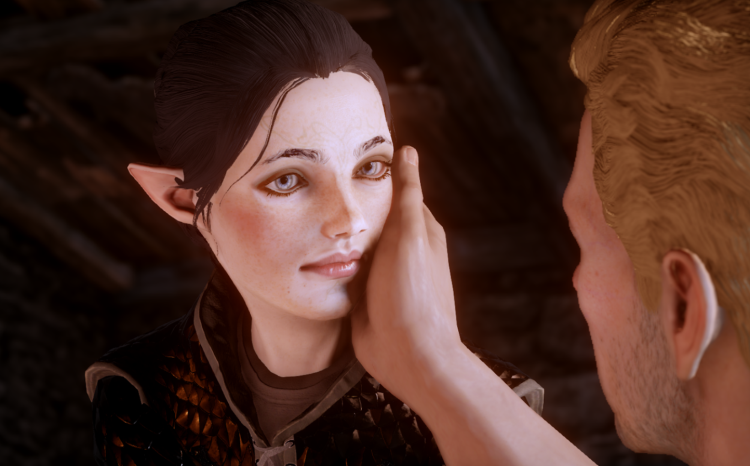
Acquiring encyclopedic knowledge about another character's life or preferences does not equate to love or infatuation. These narratives often lack the crucial mingling of personalities, the process of discovering how two lives intertwine, or the emotional friction that defines real relationships. Genuine emotion is often absent. Even Jane Bennett from Pride and Prejudice, known for her reserved demeanor, expresses more excitement about a potentially ideal relationship than many of the most celebrated in-game romantic interests. A rapturous hurricane of passion and trepidation, akin to the Romeo & Juliet Balcony Scene, remains largely unfulfilled.
Instead, gratitude often underpins these relationships. Characters become romantically interested because the player listened, understood, or assisted them with a significant problem. While understanding and supporting a partner in trouble are vital, these in-game scenarios rarely justify the leap from "supportive friend" to "lifelong partner." The intrinsic meaning characters hold for each other beyond their utility often goes unaddressed, implying it is not a narrative priority.
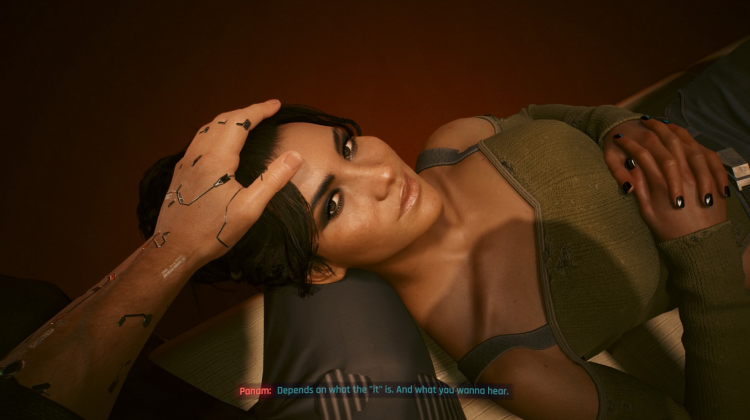
Some games approach romance with greater realism. Cyberpunk 2077 hints at a more grounded relationship when River introduces the player to his family, though the narrative quickly shifts into a crime drama. Final Fantasy 16 nearly succeeded with Clive and Jill, but Jill's limited dialogue hindered its depth. The Witcher 3 presents a stronger example; Geralt's pre-existing history with his love interests imbues their interactions with emotional weight, making even a casual comment or silence between him and Yennefer resonant.
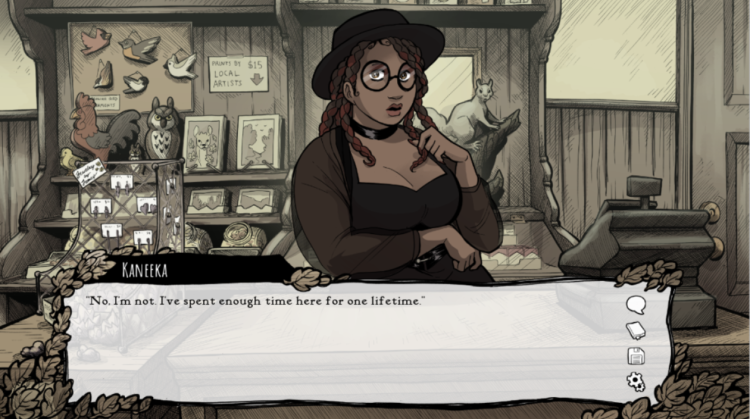
Black Tabby's Scarlet Hollow also offers a more nuanced approach than many visual novels and RPGs. This small-town horror mystery builds its "getting to know you" conversations around authentic discovery, not just trauma exposition leading to a fleeting encounter. One relationship even explores how well the player character integrates with the romance interest's daughter, illustrating the real-world complexity of finding space in another's life. I do believe this demonstrates a path forward.
Ultimately, romance largely remains an afterthought in most games, even those attempting to centralize it. It frequently serves as a superficial addition, with minimal impact on character development or the broader narrative. The focus often falls on events and wish fulfillment, not authentic interpersonal dynamics. This emphasis may reflect broader cultural preferences, but for video games to gain serious recognition as an artistic medium, they must cultivate more mature and authentic portrayals of love.
Read also: GTA 6's Romance May Build on Red Dead Redemption 2's Most Rewarding Mechanic, as the upcoming title's focus on Jason and Lucia suggests Rockstar might be expanding on Red Dead Redemption 2's honor system to create a more dynamic relationship experience.


 Successfully copied... Thank you for sharing our content!:



5% deposit bonus up to 100 gems

a free Gift Case





EGAMERSW - get 11% Deposit Bonus + Bonus Wheel free spin


EXTRA 10% DEPOSIT BONUS + free 2 spins

3 Free Cases + 100% up to 100 Coins on First Deposit


5 Free Cases, Daily FREE & Welcome Bonuses up to 35%

3 free cases and a 5% bonus added to all cash deposits.

+5% to deposit




Comments