




Why Beyond Good & Evil 2 Survives Ubisoft Restructuring
 Ubisoft
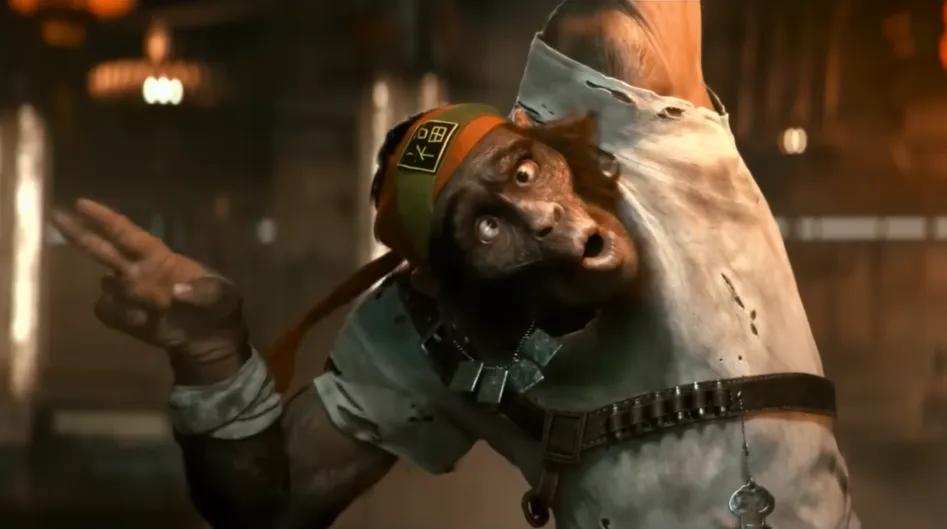
I have followed Beyond Good & Evil 2 for long enough that its survival through another round of Ubisoft cuts feels less like news and more like a pattern. This week, Ubisoft confirmed that Beyond Good & Evil 2 remains in development after canceling six other projects, delaying seven more, and closing three studios as part of a major internal restructuring. The company’s message was clear: Beyond Good & Evil 2 fits the strategy, and that strategy now centers on large open-world games and long-running live services.
For now, Beyond Good & Evil 2 is still in development, with no release date and no confirmed platforms. Ubisoft says it is a priority. History suggests patience will still be required.
The announcement arrived alongside broader corporate changes. Ubisoft is reorganizing its development pipeline into five so-called Creative Houses, each aligned with a specific production focus. The largest of these, Vantage Studios, is built to scale established brands like Assassin’s Creed, Far Cry, and Rainbow Six into annual revenue engines. Beyond Good & Evil is not housed there. Instead, it sits within Creative House 4, which is tasked with immersive fantasy worlds and narrative-driven universes.
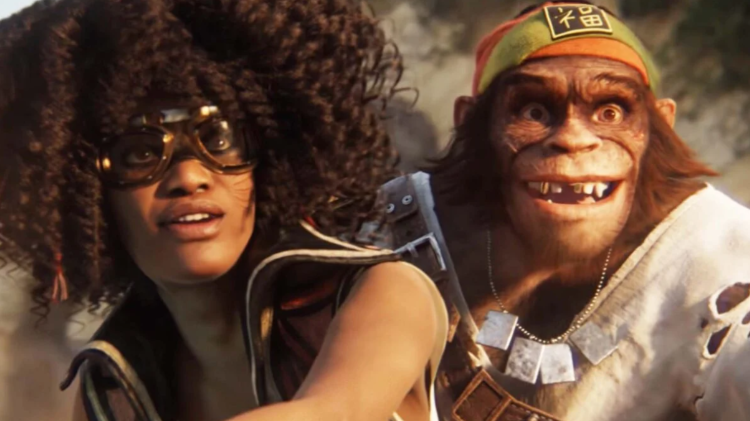
Ubisoft framed the decision as a matter of alignment. The company has repeatedly said that open-world adventures are a priority, and Beyond Good & Evil 2 has been positioned as exactly that since its 2017 re-reveal. It is a large-scale sci-fi open world and a prequel to the 2003 original, a game that was more hub-based than open in structure. That distinction matters now, because it explains why this project keeps avoiding the axe while others do not.
“As mentioned in yesterday’s press release, Beyond Good & Evil will be part of Creative House 4, dedicated to immersive fantasy worlds and narrative-driven universes. Beyond Good & Evil 2 remains a priority for us in the context of our strategy centered around Open World Adventures.”
— Ubisoft spokesperson
That statement was shared with Kotaku and echoed across multiple outlets. It arrived in the same week Ubisoft confirmed the cancelled Prince of Persia: The Sands of Time Remake, a decision that surprised many, given the visibility of the Prince of Persia franchise. The contrast is striking. A long-delayed remake with a clear legacy audience was cut, while a sequel announced nearly two decades ago continues forward.
From the outside, this persistence is hard to separate from sunk cost. Beyond Good & Evil 2 has reportedly consumed more than half a billion dollars in development spending, placing it among the most expensive games ever made. Canceling it outright would force Ubisoft to acknowledge that cost as a loss. Keeping it alive allows the company to continue listing it as a future asset, even if its eventual sales potential remains uncertain.
I remember the 2017 trailer well. It was ambitious, visually loud, and divisive. Some players saw promise in its scope and tone. Others struggled to connect it to the smaller, character-focused original. Since then, progress has been uneven. The project lost its creative director in 2023, and Ubisoft has shared little concrete information about gameplay systems, platforms, or a release window.
What is clear is that Beyond Good & Evil 2 has become symbolic inside Ubisoft. It is proof that certain projects can survive internal turmoil if they fit the current business language. That language now favors scale, persistence, and worlds designed to hold players for years rather than hours.
The same restructuring that spared Beyond Good & Evil 2 also led to studio closures in Canada and Sweden, and, as part of the wider shake-up, Ubisoft closes Assassin's Creed Rebellion studio, signaling a pullback from smaller standalone mobile projects. The company is narrowing its focus, not broadening it.


 Successfully copied... Thank you for sharing our content!:



5% deposit bonus up to 100 gems

a free Gift Case





EGAMERSW - get 11% Deposit Bonus + Bonus Wheel free spin


EXTRA 10% DEPOSIT BONUS + free 2 spins

3 Free Cases + 100% up to 100 Coins on First Deposit


5 Free Cases, Daily FREE & Welcome Bonuses up to 35%

3 free cases and a 5% bonus added to all cash deposits.

+5% to deposit




Comments