




Skyrim Co-Lead Designer Explains Starfield’s Flaws And His Departure From Bethesda
 Games
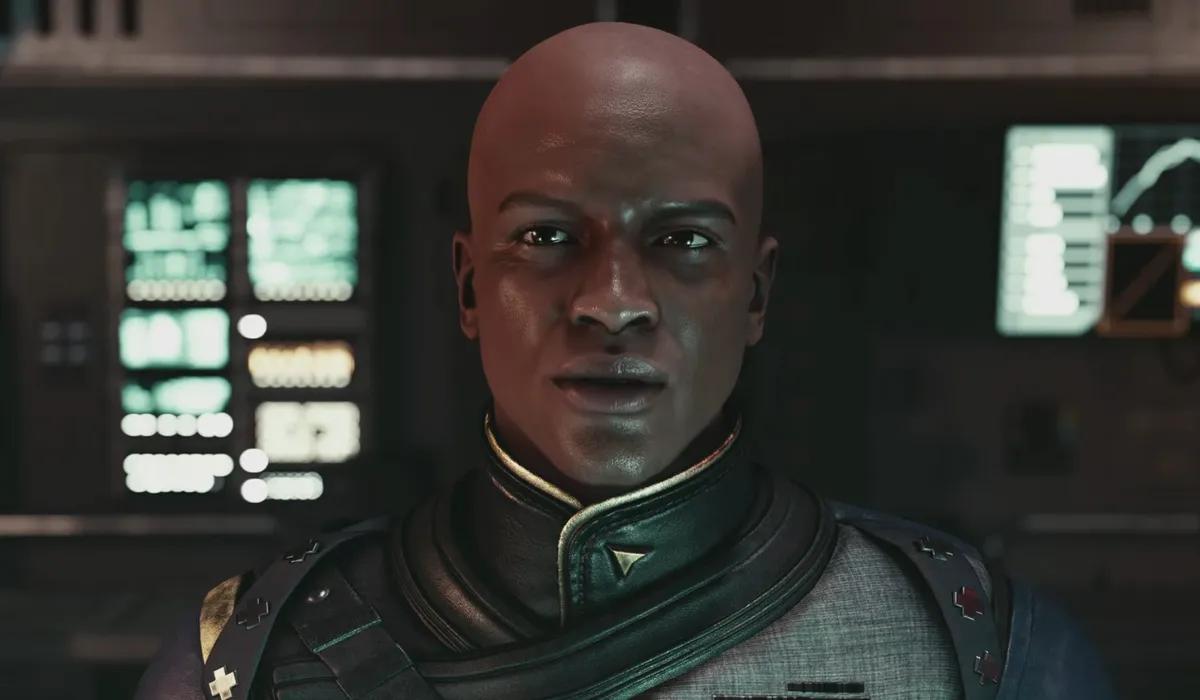
GamesAccording to Kurt Kuhlmann, the co-lead designer on Skyrim and a former Bethesda loremaster, the main problem with Starfield is that it never fully managed to cohere as a single, unified game. I found his perspective fascinating, not just as a critique of the game itself, but as an inside look at the massive undertaking behind its creation. He was present throughout its development, leaving the studio around the time of its launch in 2023, which gives his analysis a unique weight. He saw Starfield as a cautionary tale, a project so massive in scale and ambition that it buckled under its own weight, despite the years of work from a talented team.
In a recent interview, via PC Gamer, Kuhlmann detailed his reasons for leaving Bethesda after more than two decades, a decision influenced by both the studio's evolution and a specific, unfulfilled promise regarding The Elder Scrolls 6. He described a company that had grown immensely since the close-knit days of developing Morrowind and Oblivion. The small team in a basement office had transformed into a multi-studio international operation, and with that scale came new challenges. He felt the culture shifted, becoming more layered and, from his perspective, more bureaucratic.
I saw Kuhlmann pinpoint Starfield's core issue in its departure from Bethesda’s established formula. He explained that previous games were built on the foundation of their predecessors, adding new things incrementally. Starfield, he estimated, was about 50% brand new. The space setting, ship combat, procedural planets, and craftable ships were all massive systems built from the ground up. This meant the studio could no longer rely on its deep “institutional knowledge.” To tackle this, Bethesda had to add a lot of people, which raised questions about how to manage such a large team and keep everyone on the same page when there was no shared history or expertise for how space or spaceships should function within their RPG framework.

This combination of new systems and a sprawling team structure led to communication problems. I read his account of how the lead designers' roles had changed. On Skyrim, he was a lead who was also directly building the game. By Starfield, the leads included studio heads and producers from multiple locations, and their primary job was management, not content creation. Kuhlmann recalled instances where this caused confusion.
"There would be people talking to the leads in one studio and getting an answer, and people talking to the leads in the other studio and getting maybe a different answer."— Kurt Kuhlmann
Todd Howard was still the creative director, but his own responsibilities had grown significantly, often pulling him away from direct involvement in game design. Kuhlmann described Howard as a "very good project lead," but noted that his absence could hurt the game, causing decisions to be delayed. This happened a lot more during Starfield’s development. This environment created a state of flux. For a quest designer, I can see how this would be a major hurdle. Kuhlmann explained that with core systems like spaceships in flux for so long, designers were left guessing how to integrate them into missions. This led to two outcomes: quests were constantly reworked, or designers would preemptively avoid adding anything complex that might need to be changed later. Both of these paths contributed to a game that felt less cohesive, where its many pieces never fully connected.
The shadow of Fallout 76’s troubled launch also played a significant role. There was a strong internal mandate to avoid a repeat of that situation.
"We can't release a game that has the kind of problems 76 had when it was released."— Kurt Kuhlmann
This focus resulted in Starfield being Bethesda’s most polished launch, but that stability didn’t fix the underlying design issues. When the game was released, Kuhlmann felt the reception was about what he expected. He saw it as a "solid" game, but not one of Bethesda's best.
"When it came out, I thought it was a good game. It was a releasable game, but it wasn't the best."— Kurt Kuhlmann
He still praised parts of it, saying elements like the celestial mechanics and overall aesthetic were "knocked out of the park." But the whole was less than the sum of its parts.
"There's this piece of the game over here, and there's this piece of the game over here, and do they have much to do with each other? That, to me, is where it isn't quite as good as some of our other games."
Beyond the studio's structural changes, I learned his departure was cemented by a personal and professional disappointment. After Skyrim, Todd Howard had verbally promised him the lead design role on The Elder Scrolls 6. However, the studio next developed Fallout 76, and then Starfield, which turned into a much longer project than anticipated.
"I've been waiting 11 years to be the lead on TES6."— Kurt Kuhlmann
After all that time, he was told he would not be the lead on the project. It was a "tough conversation," and though he was offered another important role, it wasn't what he wanted. He preferred being a hands-on designer, and the lead role had become far more managerial than it was in Skyrim. He admitted that in retrospect, he might not have enjoyed the new version of the role anyway, but the decision was a clear sign that it was time for a change. He had no desire to work in an environment that had grown to a scale beyond where he enjoyed it.
Read also, decades of visual effects history in Dr. Who have produced some interesting artifacts, but one detail from a 2017 episode has caught viewers' eyes for an unusual reason. A skeletal dragon image in a background shot appears to be a direct match for an asset from Skyrim, an unexpected crossover discovered nearly nine years after the episode first aired.


 Successfully copied... Thank you for sharing our content!:



5% deposit bonus up to 100 gems

a free Gift Case





EGAMERSW - get 11% Deposit Bonus + Bonus Wheel free spin


EXTRA 10% DEPOSIT BONUS + free 2 spins

3 Free Cases + 100% up to 100 Coins on First Deposit


5 Free Cases, Daily FREE & Welcome Bonuses up to 35%

3 free cases and a 5% bonus added to all cash deposits.

+5% to deposit




Comments