




Fallout Season 2 Introduces Deathclaws Through Cooper Howard’s Pre-War Past
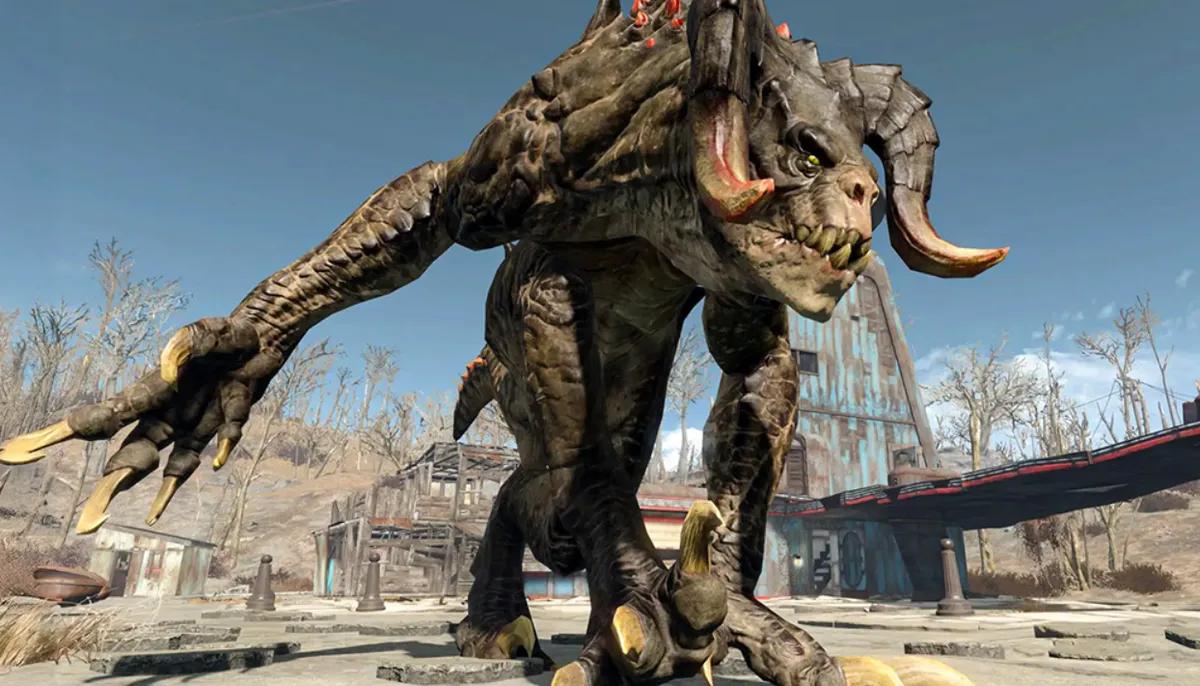
Fallout Season 2 reaches a turning point with the long-awaited arrival of Deathclaws, creatures central to the franchise’s history and reputation. Their absence from the first season was deliberate. Their introduction now carries weight, context, and a clear narrative purpose rather than serving as spectacle. The series waits until episode four to show one fully, anchoring the reveal in character history and pre-war conflict rather than wasteland shock value.
Coverage and early impressions referenced here draw in part from reporting by PC Gamer, which has followed the show’s production decisions and pacing closely since the first season.
Todd Howard, executive producer and longtime steward of the Fallout universe, said the team avoided rushing the creatures into the story. He framed Deathclaws not as background threats but as plot-driving forces tied to the setting’s manufactured horrors and military failures.
"We didn't do Deathclaws in season 1," Howard said.
"We wanted to make sure we'd spend the right amount of time to get them right. And really focus on them as a story element, not just another creature." — Todd Howard
Howard also pointed to their psychological impact and to Cooper Howard’s history with them, long before his transformation into the Ghoul.
"But these beasts that are, you know, they're terrifying. And you know what Cooper Howard's experience with that was like, even before he became the Ghoul, with the Deathclaws. Really, really interesting combination." — Todd Howard
The episode opens with a flashback to Alaska during the Battle of Anchorage. Cooper Howard is shown in T-45 power armor, patrolling a frozen night rather than performing or promoting Vault-Tec. The sequence reinforces earlier references to the armor’s flaws, which contributed to heavy casualties during the campaign. This time, those failures play out on screen.
After directing a fellow soldier to retreat, Cooper investigates a burning wreck. Growls echo from the ruins before three Chinese soldiers emerge and open fire. During the exchange, Cooper’s power armor shorts out. He collapses, immobilized, exposed, and mocked by advancing enemy troops who compare him to a turtle stuck on its shell.
Before they can execute him, the Deathclaw appears. It bursts from the destroyed facility and attacks the soldiers with speed and force that leaves little room for heroics or extended combat choreography. Cooper remains helpless, reduced to an observer as the creature dismantles the immediate threat.
The scene avoids exaggeration. The Deathclaw does not acknowledge Cooper as an ally. It briefly sniffs him, assesses, and moves on. Survival comes not from intervention but from disinterest. The moment reinforces the creature’s autonomy and indifference, traits that defined its role in the games.
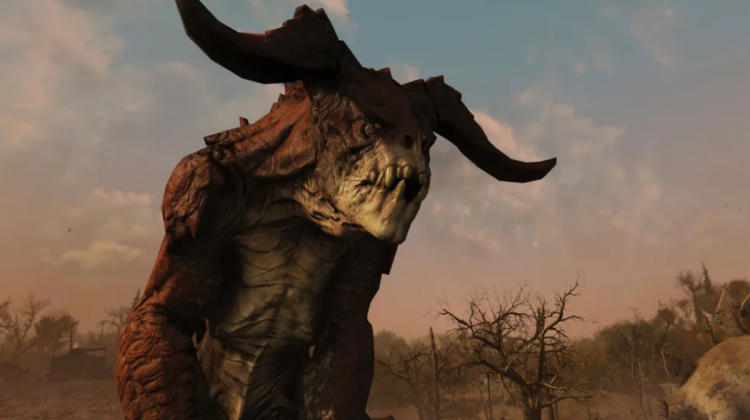
The show also reiterates the Deathclaws’ origins. They are not mutations born of radiation but laboratory creations. Designed by American military scientists as potential super-soldiers, they were intended to operate where humans and T-45 units failed. The Great War damaged containment facilities, allowing them to escape and spread. Fallout Season 2 uses this background to tie the creature’s presence to institutional hubris rather than environmental accident.
By placing the Deathclaw’s debut in a controlled flashback, the series preserves its mystique. It resists escalation for escalation’s sake. The creature appears once, leaves lasting consequences, and exits without resolution. The restraint aligns with Howard’s stated goal of avoiding dilution through repetition.
The episode also answers lingering questions about Cooper Howard’s past and his familiarity with the wasteland’s most dangerous predators. It reframes his later resilience as learned, not accidental.
Read also, Todd Howard recently addressed the role of artificial intelligence in Bethesda’s development process, drawing a firm boundary between automation and creative authority. Speaking at an event tied to the second season of Amazon’s Fallout series, he described AI as a tool for speeding up checks and internal workflows, not a replacement for human judgment. Howard said artists and designers remain central to decision-making, comparing current AI tools to earlier software once considered sufficient but later outgrown as production standards evolved.


 Successfully copied... Thank you for sharing our content!:



5% deposit bonus up to 100 gems

a free Gift Case





EGAMERSW - get 11% Deposit Bonus + Bonus Wheel free spin


EXTRA 10% DEPOSIT BONUS + free 2 spins

3 Free Cases + 100% up to 100 Coins on First Deposit


5 Free Cases, Daily FREE & Welcome Bonuses up to 35%

3 free cases and a 5% bonus added to all cash deposits.

+5% to deposit




Comments