





One Game Still Sits Alone At The Top Of Review History
 Games
Games Records
 Review
Metacritic has tracked critical consensus for decades, yet only one game has ever reached a 99 Metascore. That title remains The Legend of Zelda: Ocarina of Time, a 1998 release that continues to hold the highest aggregate score on the platform. No other game, across generations, platforms, or genres, has matched that figure.
The gap between Ocarina of Time and every other release highlights how rare near-universal approval remains in game criticism. Even as review volumes have increased and scoring standards have shifted, the ceiling has not moved. Thanks to ScreenRant, renewed attention has been drawn to how singular that achievement remains, especially in a landscape where even celebrated releases struggle to maintain consensus.
Perfect scores remain theoretical in large-scale aggregation. While individual outlets may award maximum marks, Metacritic’s averaging system leaves no margin for dissent. A single mixed review can pull even landmark releases down. Over time, dozens of acclaimed games have entered the 90s range, but none have crossed into the territory Ocarina of Time claimed and never relinquished.
The game’s position is not simply a product of nostalgia or timing. Ocarina of Time marked a turning point in 3D game design. Its lock-on targeting system solved spatial combat problems that plagued early polygonal titles. Camera control, dungeon structure, and environmental storytelling formed a template that developers across the industry adopted. These systems were not refinements of existing ideas but structural solutions to unsolved problems.
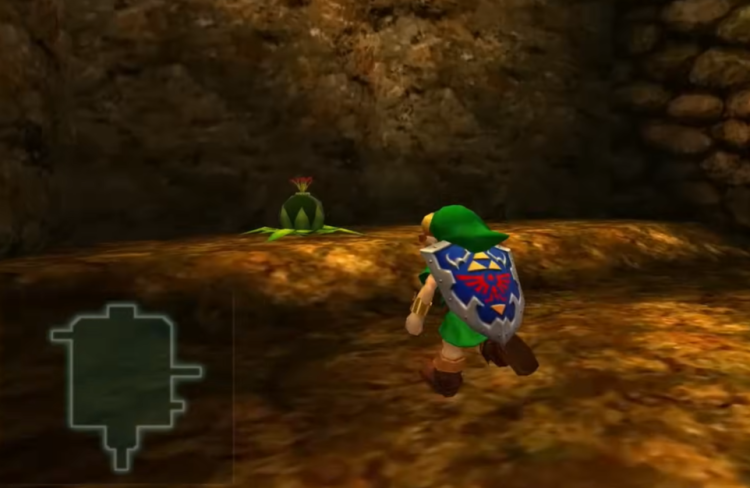
Revisiting the game today reveals limits shaped by its era. Controls feel stiffer than modern standards, and certain mechanics show their age. Yet those issues have not meaningfully altered its standing. Critics continue to weigh historical impact alongside present-day playability, and Ocarina of Time remains strong on both measures.
Atmosphere and pacing play a role in its endurance. The transition between childhood and adulthood gives the narrative weight without relying on excess exposition. Exploration unfolds with restraint, encouraging observation rather than spectacle. Music and sound design reinforce mood without overwhelming it. These elements have aged more gracefully than technical benchmarks.
Other games have come close. Titles such as Grand Theft Auto IV and SoulCalibur II reached a 98 Metascore, placing them just one point below the peak. Breath of the Wild, another Zelda entry, achieved a 97 while redefining open-world conventions. Each of these games earned broad acclaim and lasting influence, yet none achieved the same level of unanimity.
As scores descend from the high 90s, the number of titles increases sharply. The difference between a 95 and a 99 often reflects disagreement rather than quality. That distinction matters because Metacritic does not measure greatness in isolation but consensus across publications with differing priorities, regions, and audiences.
Publisher presence near the top of the rankings also tells a story. Nintendo and Rockstar Games account for the majority of titles in Metacritic’s top ten. Both studios share a history of long development cycles, clear creative direction, and an emphasis on systemic design. Even so, only one of their releases reached the 99 threshold.
The persistence of Ocarina of Time’s score suggests that timing matters as much as execution. Released during a period of rapid technological transition, the game arrived when expectations were still forming. It did not just meet them; it defined them. Later titles often face higher scrutiny because they operate within established frameworks.
Metacritic’s role in shaping discourse has grown alongside the industry. Scores now influence marketing, awards, and public perception. Yet the platform’s highest mark remains tied to a game released before online patches, live services, or post-launch updates became standard.
More than twenty-five years on, Ocarina of Time still occupies a singular position. Its 99 Metascore has become less a number than a reference point. Each new release is measured against it, and each falls short, not always by quality, but by consensus.


 Successfully copied... Thank you for sharing our content!:



5% deposit bonus up to 100 gems

a free Gift Case





EGAMERSW - get 11% Deposit Bonus + Bonus Wheel free spin


EXTRA 10% DEPOSIT BONUS + free 2 spins

3 Free Cases + 100% up to 100 Coins on First Deposit


5 Free Cases, Daily FREE & Welcome Bonuses up to 35%

3 free cases and a 5% bonus added to all cash deposits.

+5% to deposit




Comments