




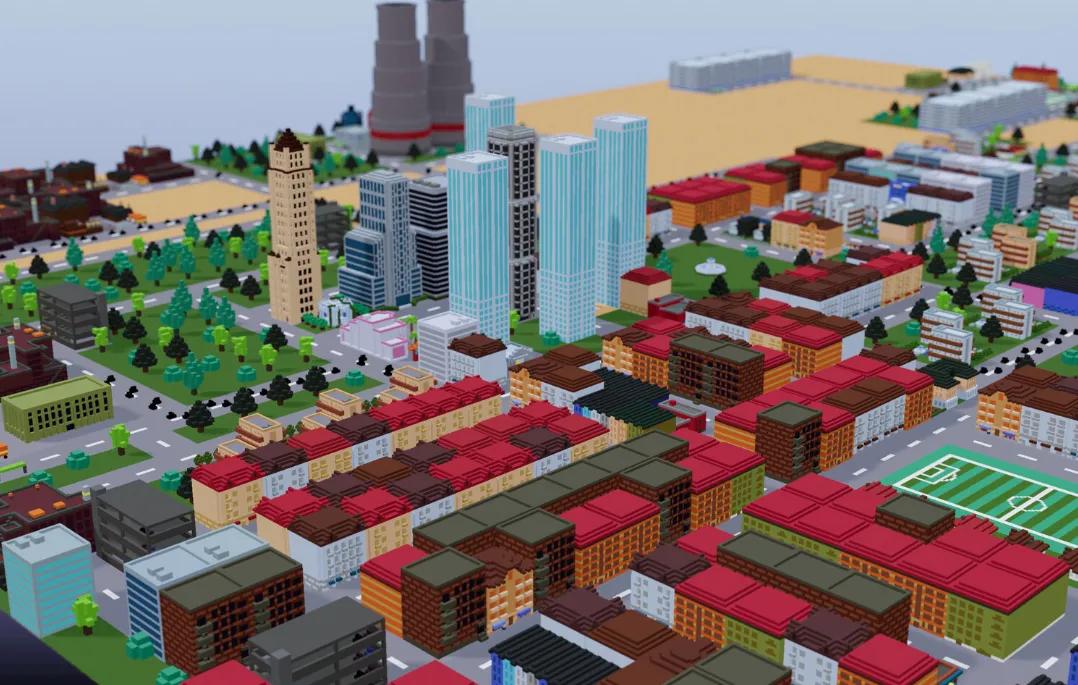
Microlandia Sharpens Its City Simulation With Update 1.4
 Steam
Steam Games
GamesMicrolandia has been on my radar since its 1.0 release in December, but I only recently spent time with it following the release of update 1.4 on Itch.io. The game presents cities as systems that resist sentimentality. It treats urban life as mechanical, reactive, and often unforgiving, with citizens responding directly to economic pressure, infrastructure failures, and social imbalance.
The developer frames the game as a city builder shaped by both admiration and fear of cities. That tone carries through the changelog. The Itch.io update explains that version 1.4 shifts the balance away from narrative framing and toward exposed systems. Economic rules tighten. Public transport simulation becomes less forgiving. Company behavior shows sharper consequences. The night mode remains a visual layer rather than a mechanical crutch, offering atmosphere without hiding instability.
“A city is a beautiful, but insane machine that survives always in homeostasis and always in chaos. In 1.4 you get a little less narrative, a little more reality, the structures of everyday life exposed, greed companies, economy that doesn't forgive, even the broke. The night mode is a pleasant anesthesia; use it, but do not confuse ambience with robustness.”— Information Superhighway Games
Playing the update, I see those ideas translated into systems that punish sloppy planning. Citizens can lose jobs if they arrive late, often because bus routes were poorly timed. Unemployment pushes some residents toward crime. Relationships exist beyond simple happiness meters; people can fall in and out of love, which affects stability at the household level. These outcomes do not announce themselves with dramatic alerts. They accumulate quietly, then surface as problems that cost money and political capital.
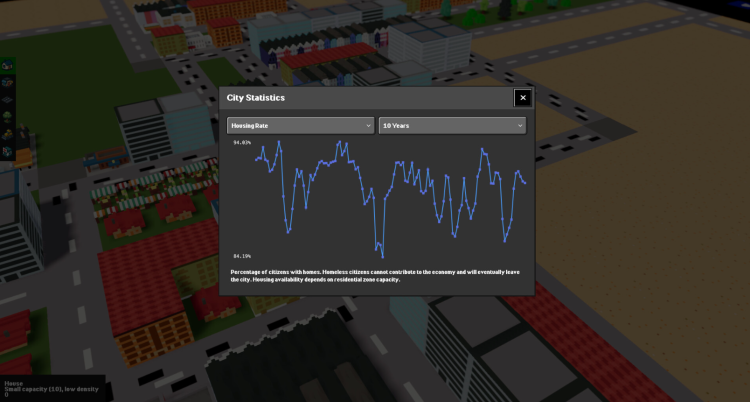
Housing pressure is a constant force. Landlords raise rent when space tightens. Wealthier residents isolate themselves in low-density housing and resist nearby development. As an older Itch.io post notes, high-income citizens avoid buildings with disapproval auras and bring NIMBY behavior into zoning decisions. The city reacts to inequality whether the player plans for it or not.
External shocks add more strain. Heatwaves and pandemics disrupt productivity and health. Rezoning requires compensation. A local newspaper reports on city decisions and shapes public perception. Negative coverage reduces the budget, limiting options at the worst moments. The feedback loop is direct and often harsh.
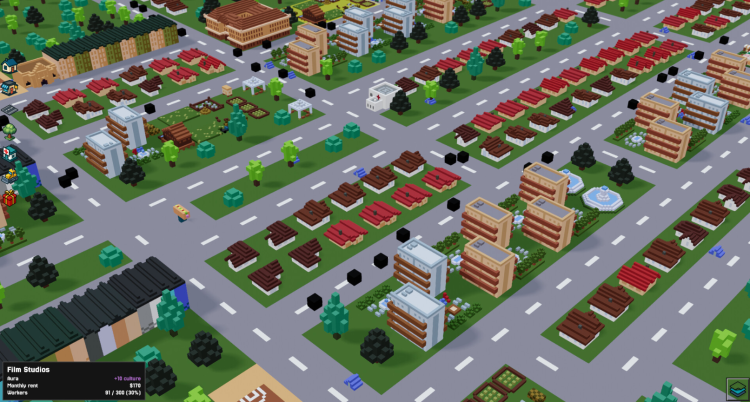
The project is positioned as both homage and critique of SimCity, a point clarified in last year’s announcement post by the developer, explodi.
“I always wondered what will happen in simcity if citizens live or die because of the many real reasons that determine the length of our lives here on earth. Life expectancy, accidents, bad health system, or the lack of access to it. This statistics exist, and we can use the power of new technology create more realistic simulations.”— explodi
Those ambitions lean heavily on real-world data. The game draws from research published by the World Bank, the US Bureau of Labor Statistics, the US Environmental Protection Agency, the National Equity Atlas, and the Center for Urban Future. All referenced sources are tracked in a sprawling live document, automatically generated from the game’s code. It exposes assumptions and values embedded in the simulation, inviting scrutiny from players who care about how numbers translate into outcomes.
Microlandia remains a work in progress, but update 1.4 makes its intentions clearer. It is not interested in comfort. It models cities as unstable systems shaped by greed, policy, and infrastructure limits. For players willing to engage with that perspective, the game offers a sharp, sometimes uncomfortable view of urban management. The current build is available via Itch.io, and you can also find Microlandia on Steam.


 Successfully copied... Thank you for sharing our content!:



5% deposit bonus up to 100 gems

a free Gift Case





EGAMERSW - get 11% Deposit Bonus + Bonus Wheel free spin


EXTRA 10% DEPOSIT BONUS + free 2 spins

3 Free Cases + 100% up to 100 Coins on First Deposit


5 Free Cases, Daily FREE & Welcome Bonuses up to 35%

3 free cases and a 5% bonus added to all cash deposits.

+5% to deposit




Comments