




Baldur’s Gate 3 Influence On Stranger Things Final Battle
 Games
Games Netflix
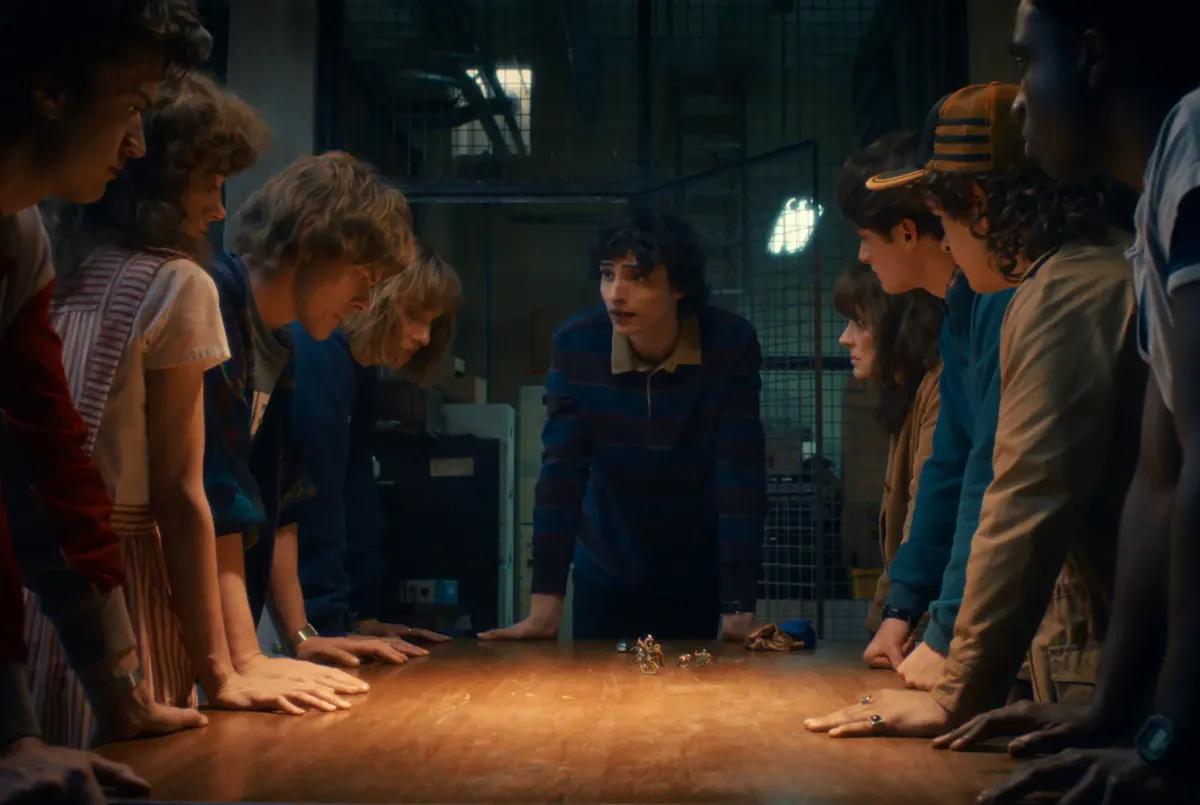
Stranger Things has always worn its tabletop roots openly, but the creators’ latest comments show how directly those influences shaped the series’ endgame. The final battle of Stranger Things was partially inspired by Baldur’s Gate 3, with Matt Duffer actively playing the game while developing the showdown. The revelation adds a concrete gaming reference to a finale already steeped in Dungeons & Dragons logic and structure.
Matt Duffer explained the connection in an interview with Variety, pointing to the idea of party-based combat as the core of the scene’s design. He said the creative team was thinking heavily about D&D while planning the ending, and his time with Baldur’s Gate 3 sharpened that focus. The final confrontation, in his view, could only work if every major character contributed at once, each using a distinct ability rather than relying on a single hero.
“We were thinking about D&D and I was playing Baldur’s Gate 3 at the time,” Duffer said, “and we felt it was very important that the only way for them to defeat was for the entire party to work together. Everyone had fully realised — either through self-acceptance or they've resolved all their various issues — moving into that final battle, they're absolutely primed. They're the ultimate team, and it's the party working all together to defeat this thing.”— Matt Duffer
He continued by tying that structure directly to game mechanics familiar to players of Baldur’s Gate and tabletop campaigns.
“And they each have their own individual skills, right? And that's where I go back to Dungeons & Dragons and something like Baldur's Gate. Because that's how you take down these monsters that seem otherwise unstoppable. Lots of video game references were applied to that final battle.”— Matt Duffer
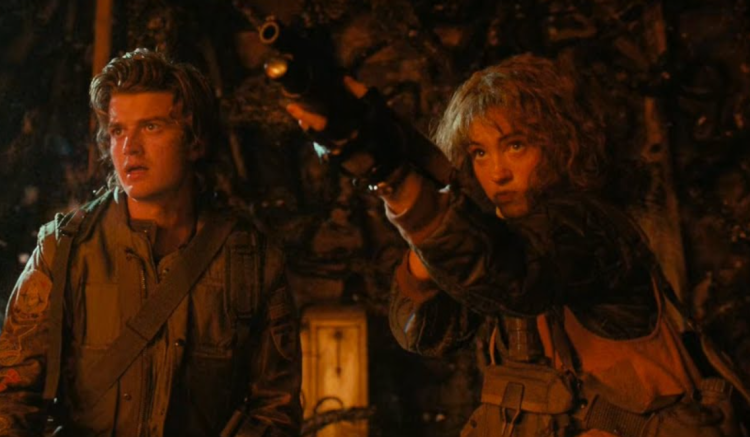
The final battle itself brings nearly the entire main cast into Dimension X, where they face a towering creature resembling a spidery crab. This monster is not just another Upside Down threat but the physical embodiment of the Mind Flayer seen throughout the series. Henry Creel, also known as Vecna, aligns himself with the entity and ultimately inhabits it, placing the central antagonist quite literally inside the monster that the group must destroy.
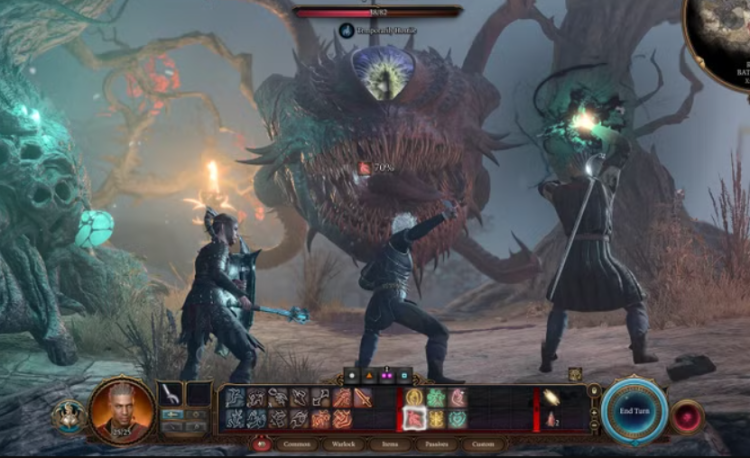
Parallels with Baldur’s Gate 3 are hard to miss. Both properties are built on Dungeons & Dragons foundations, and both revolve around mind flayer mythology. In Stranger Things, the term “mind flayer” functions more as a shared language among the kids, a way to name something they do not fully understand. In Baldur’s Gate 3, mind flayers are explicit enemies, and players work toward dismantling a larger controlling intelligence behind them. The narrative mechanics differ, but the logic of confronting an overwhelming force through coordinated roles remains the same.
Duffer did not say whether Baldur’s Gate 3 served as deliberate research or simply a personal pastime during writing. The interview leaves that ambiguous. Given past comments from the Duffer brothers, the distinction matters. They have previously stated they were not lifelong D&D players and did not grow up immersed in the game. Baldur’s Gate 3 may have offered a more accessible way to engage with the systems and storytelling rhythms that Dungeons & Dragons encourages, especially in a modern, interactive form.
Beyond Baldur’s Gate 3, Duffer hinted at other video game influences without naming them directly. The design of the Mind Flayer’s final form has drawn comparisons from viewers to creatures like the Corpser from the Gears of War series. Its scale and silhouette also recall Sony’s much-mocked “giant enemy crab” from Genji: Days of the Blade, whether intentionally or not. None of those references were confirmed, but the visual language of large-scale boss battles is clear.
What stands out most is how openly Stranger Things embraces this lineage at the end. The final battle is not framed as chaos or spectacle alone. It is structured, tactical, and role-driven, echoing the logic of a tabletop encounter or a party-based RPG. Baldur’s Gate 3 did not just influence aesthetics. It reinforced a way of thinking about teamwork, progression, and payoff that fits the show’s long-running themes.
Read also: Stranger Things returns to Dead by Daylight with a second crossover chapter, introducing Vecna as a playable Killer alongside new Survivors and cosmetics. The update arrives January 27 and marks only the franchise’s second collaboration with the asymmetrical horror game.


 Successfully copied... Thank you for sharing our content!:



5% deposit bonus up to 100 gems

a free Gift Case





EGAMERSW - get 11% Deposit Bonus + Bonus Wheel free spin


EXTRA 10% DEPOSIT BONUS + free 2 spins

3 Free Cases + 100% up to 100 Coins on First Deposit


5 Free Cases, Daily FREE & Welcome Bonuses up to 35%

3 free cases and a 5% bonus added to all cash deposits.

+5% to deposit




Comments