




Angeline Era Finds The Past By Refusing To Copy It
 Games
Games Review
 Steam
SteamAngeline Era arrives with familiar signals, but it does not rely on imitation to evoke the past. Built by Analgesic Productions, the studio behind Anodyne, the game approaches the memory of late-1990s PlayStation titles by discarding their surface rules. What remains is a structure shaped by uncertainty, manual discovery, and a demand that the player read the world without instruction. The result is a modern release that feels closer to remembered experiences than most deliberate retro projects.
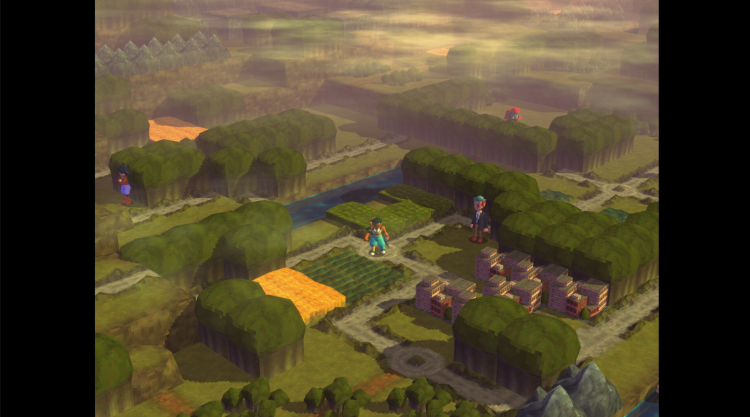
The game presents itself as a puzzle-driven adventure with RPG elements. Players control a hero named Tets, sent to a continent to recover crystal objects called Bicorns. The framing sounds routine, and the overworld initially reinforces that assumption. Blocky polygons and wide terrain suggest a standard progression across marked locations. That expectation collapses quickly. Angeline Era removes signposting almost entirely. No dungeons appear on the map. No objectives glow or flash. Progress depends on physical searching, tile by tile, guided only by environmental hints.
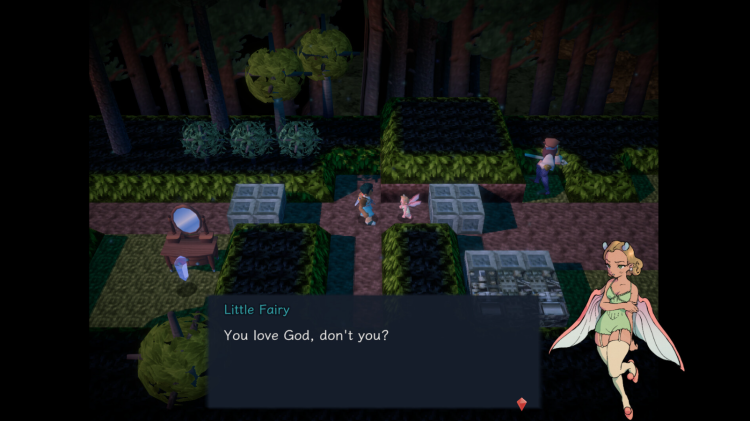
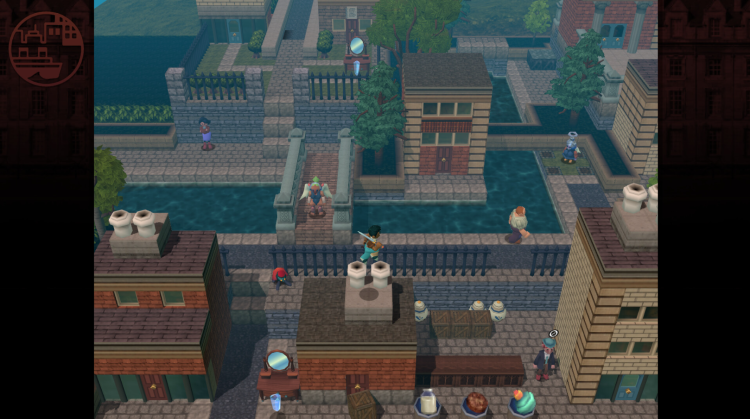
Exploration begins the moment the player docks. Suspicious terrain must be tested directly by standing on it and holding a search command. Successful searches reveal entrances that remain hidden until discovered. Even then, access is not guaranteed. Each location opens with a brief first-person obstacle sequence that feels closer to early PC games than console RPGs. These segments establish a pattern. Advancement depends on observation, pattern recognition, and memory rather than menus or quest logs.
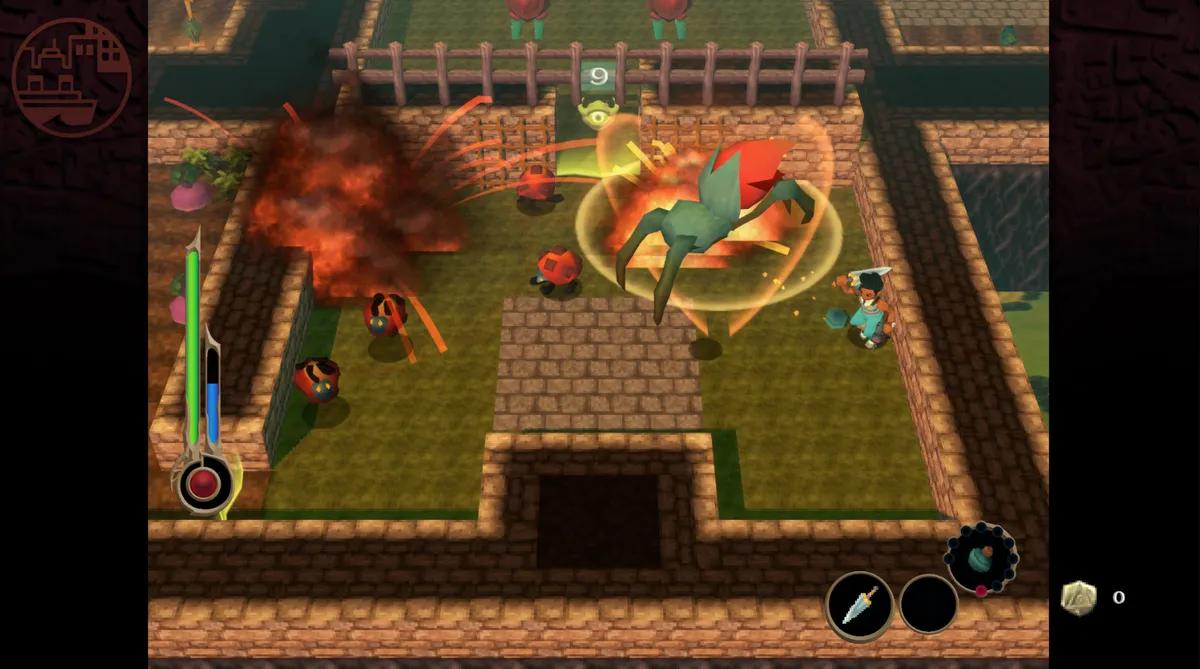
Combat reinforces the same logic. Angeline Era avoids conventional attack systems. Enemies are damaged through contact. The player must collide with them to strike, a mechanic known internally as bumpslashing. A firearm exists but functions under strict limitations. It only fires upward, carries limited ammunition, and can only be replenished by landing contact attacks. Survival depends on mastering the balance between movement and collision. Each area becomes a contained test of spatial control, requiring precision and confidence.
Leveling follows that structure. Clearing an area rewards a scale, which allows progression. There is no grinding in the traditional sense, but repeated failure carries a cost. Boss encounters are difficult early, often forcing retreat and reevaluation. The game does not explain these systems outright. Understanding arrives through repeated attempts and gradual internalization of how spaces and enemies behave.
Visually, Angeline Era commits to its chosen constraints. Textures blur. Geometry remains coarse. Audio leans on synthetic tones that recall inexpensive keyboards rather than orchestral scores. These decisions establish continuity with older hardware limits without fetishizing them. Some modern elements break that cohesion, such as high-detail character portraits during dialogue that clash with the surrounding aesthetic. Their presence feels intentional but unresolved, a reminder that this is not a preserved artifact.
What ultimately defines the experience is not presentation or mechanics alone, but how little the game intervenes. Angeline Era withholds explanations and trusts players to construct their own understanding. That trust echoes how many older games were experienced, not because they were designed that way intentionally, but because external guidance was scarce. Here, that scarcity is deliberate. The absence of markers and tutorials restores a sense of risk to exploration.
Discovery becomes physical. Progress requires testing assumptions through contact. Walls must be checked. Enemies must be approached. Movement itself becomes inquiry. The act of learning is embedded in navigation and combat rather than separated into dialogue boxes or tooltips. That design choice reshapes pacing. Sessions slow down. Decisions carry weight because reversal costs time and effort.
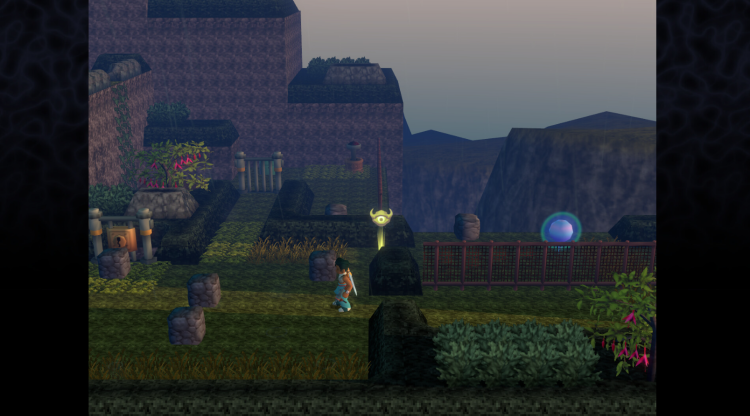
The game’s lineage is clear but not restrictive. Angeline Era borrows from RPG overworlds, early action games, and first-person puzzles without settling into any of them. Comparisons to classic Final Fantasy titles arise not from resemblance but from effect. The game creates moments where confusion precedes clarity, and mastery feels earned rather than granted.
This approach distinguishes Angeline Era from many modern retro-inspired releases. Instead of reconstructing old interfaces or mechanics, it reconstructs a mindset. Players are expected to fail, adapt, and continue without assurance that answers are nearby. That expectation shapes the relationship between player and game. Progress feels collaborative rather than guided.
The game invites patience and resists optimization. Maps can be memorized, but doing so removes part of the experience. The game rewards restraint and curiosity in equal measure. By refusing to explain itself, it restores a dynamic that has largely disappeared from mainstream design.
In doing something different, Angeline Era recaptures something familiar. It does not replicate the PlayStation era as it existed, but as it was felt. That distinction gives the game its weight.
Play Angeline Era on PC through Steam.


 Successfully copied... Thank you for sharing our content!:

Comments