




The Most Interesting CRPG of 2025 Has Pagan Yetis, Physics Combat, and a Demo You Should Try
Banquet For Fools, developed by Hannah and Joseph Games, is a CRPG that resists easy categorization. It combines real-time physics-driven combat with traditional RPG settlement exploration, asks players to generate a full party of four before the game begins, and builds its world from pagan mythology rather than the Tolkienian Christian framework that shapes most fantasy games.
Game was released with a demo available on Steam, and it is drawing serious attention from players and critics who follow the genre closely.
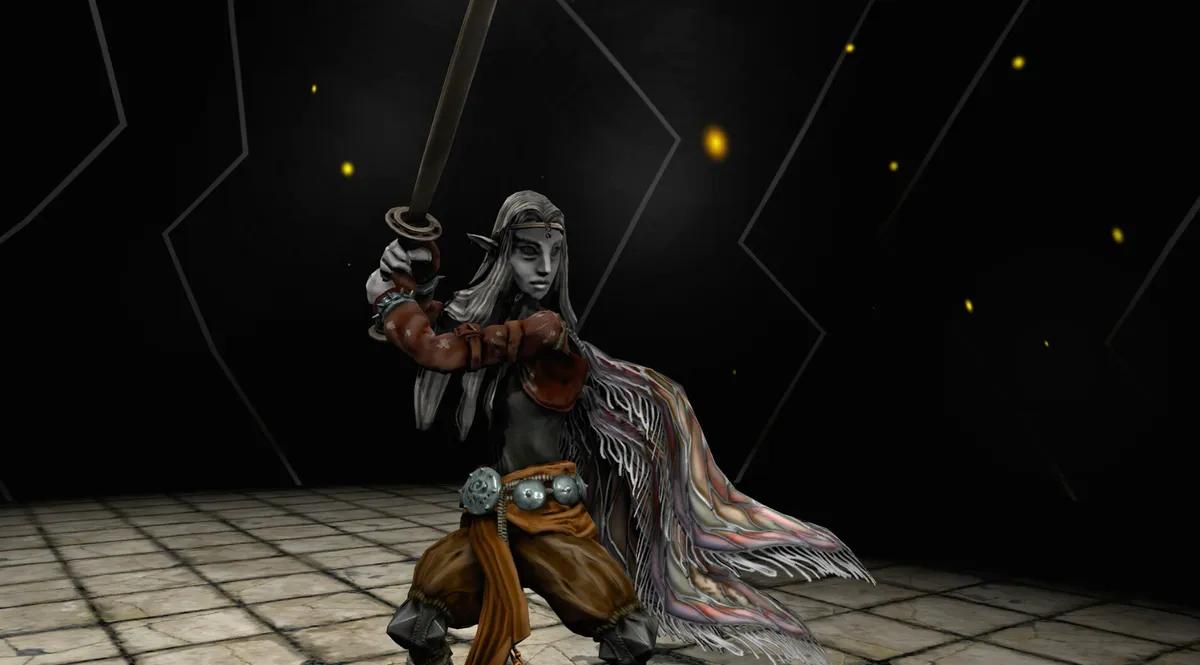
The comparison that keeps surfacing is Morrowind, and in this case, it holds up for reasons beyond surface aesthetics. Both games construct worlds that feel alien and internally consistent at once — rooted in a palpable sense of history and culture that has nothing to do with the elves-and-dwarves convention. Banquet For Fools puts players in control of a party that grew up as pagan yetis in a swamp. The enemies include goblins and kelpies. The environments draw from sources as wide-ranging as PS1-era RPGs to the prerendered backgrounds of Pillars of Eternity, layered over with what the game's coverage describes as an otherworldly, swamp-flavoured visual identity. The result is frequently described as claymation-adjacent, though that label does not fully fit — the style is a deliberate hybrid that lands somewhere harder to name.
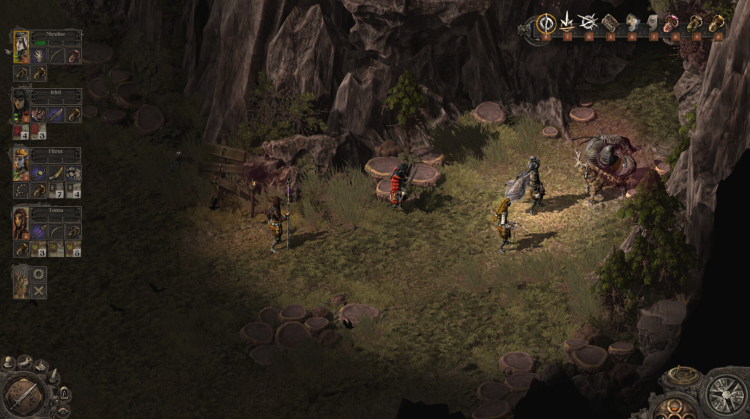
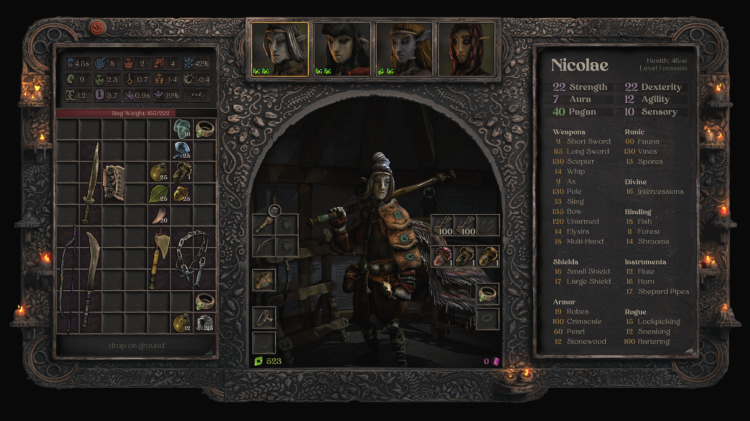
Party creation follows the Icewind Dale model, not Baldur's Gate. There are no prewritten companions to find and recruit. Every member of the four-person roster is generated at the start, using a character creation system dense with stats, classes, and terminology that will be unfamiliar to players new to the genre. The game acknowledges this directly by offering predefined party templates, with one specifically flagged for new players. That accommodation matters, because combat punishes a misconfigured party quickly.
Combat is the element that most distinguishes Banquet For Fools from other CRPGs. It runs in near-real time, with each character — player-controlled and enemy alike — operating on a stamina bar that functions similarly to an FF7-style active-time-battle gauge. When the bar fills, the player can pause the action and queue an attack. The physics engine handles the rest: enemies get launched across the map by greatsword strikes, sometimes colliding with other enemies in the process. The system is technical and chaotic simultaneously. Learning it involves experimentation — testing different attacks, weapons, and class combinations through repeated combat encounters until the logic becomes clear.
Those encounters have a tendency to sprawl. While the player focuses on directing one character, the remaining three party members operate independently, ducking, evading, and engaging enemies at the same time. Managing that chaos while developing a grasp of the underlying mechanics is the central early-game challenge.
I think the visual direction will divide players less on its merits than on their relationship to a specific aesthetic era. The dark, muted palette and low-fidelity texture work point deliberately toward the late-1990s and early-2000s CRT monitor period of PC gaming — a reference point that carries real nostalgia for some and fatigue for others. The gameplay earns the visual identity it asks players to accept, but that remains a negotiation each player will handle differently.
Outside of combat, the game follows a familiar CRPG structure. Settlements contain conversations, shops, and quest-givers. The open world connects them with roaming enemies and environmental encounters. The writing and worldbuilding lean into the same density as the character systems — the game does not explain itself at length and appears to expect players to construct understanding gradually from context. That approach mirrors what made Morrowind's world feel inhabited rather than constructed for tourist consumption.
The release arrives alongside Esoteric Ebb, another CRPG that has drawn significant critical attention in the same period. Coverage of both games has noted that RPG players are currently well-served by the release calendar, with two mechanically and tonally distinct titles offering serious depth at the same time. Esoteric Ebb has been described in multiple outlets as the closest any video game has come to replicating the improvisational logic of tabletop D&D, and as a successor to Disco Elysium. Banquet For Fools operates in different territory — less focused on dialogue systems, more invested in physical combat and worldbuilding from non-Western mythological material.
I find the combat system to be the stronger argument for the game's originality. The stamina-gauge approach, combined with physics that send enemies flying across the environment, produces fights that feel unlike anything else in the genre. Whether that translates into long-term satisfaction depends on how far the underlying RPG systems hold up past the early hours, which the demo allows players to assess directly.
The game is available on Steam with a free demo. For players who want to evaluate the combat and worldbuilding before committing, that option removes the main barrier to entry.
Read also, if Banquet For Fools has you thinking about the genre more broadly, a ranked breakdown of 45 of the best RPGs currently worth playing covers the full range — from narrative-heavy choices to mechanical deep dives — and addresses what makes the genre compelling and, for devoted players, genuinely difficult to walk away from.


 Successfully copied... Thank you for sharing our content!:

Comments