




The Game Awards 2025 Finally Felt Like An Awards Ceremony
 Game Awards
TGA 2025 unfolded with a sense of control and intent that has often been missing from The Game Awards. Across three and a half hours, the event shifted its priorities back toward recognition rather than interruption. Acceptance speeches were allowed to breathe. Winners were treated as the centerpiece rather than an obstacle between announcements. By the time Clair Obscur: Expedition 33 secured Game of the Year, the show no longer felt like a tightly wound marketing reel. It played like an awards ceremony that trusted its audience to care about the people on stage.
Thanks to reporting and commentary from Polygon, the contrast with earlier years stood out immediately. Jennifer English’s Best Performance win set the tone. Her acceptance speech proceeded without countdown screens, walk-off music, or visible pressure to compress emotion into seconds. That moment carried weight precisely because it was unhurried. When Sandfall Interactive later accepted the top prize, the shift felt deliberate rather than accidental.
The improvement was sharpened by memory. TGA has struggled publicly with balance. In 2022, Christopher Judge’s extended speech dominated attention, followed by a security failure that allowed a stage crasher to intrude during Elden Ring’s Game of the Year moment. The incident raised doubts about the event’s professionalism and focus. The following year brought a different problem. Neil Newbon’s Best Performance speech for Baldur’s Gate 3 was cut short despite clear emotional momentum. Visual prompts and music forced a rushed ending, creating discomfort rather than efficiency.
Those moments appeared to inform an overcorrection in 2024. Multiple awards were announced without winners taking the stage at all. Categories passed in rapid succession, framed as logistical necessities. The broadcast leaned heavily into trailers and sponsor beats, reinforcing the idea that awards were obligations rather than the point. The structure made the show feel transactional.
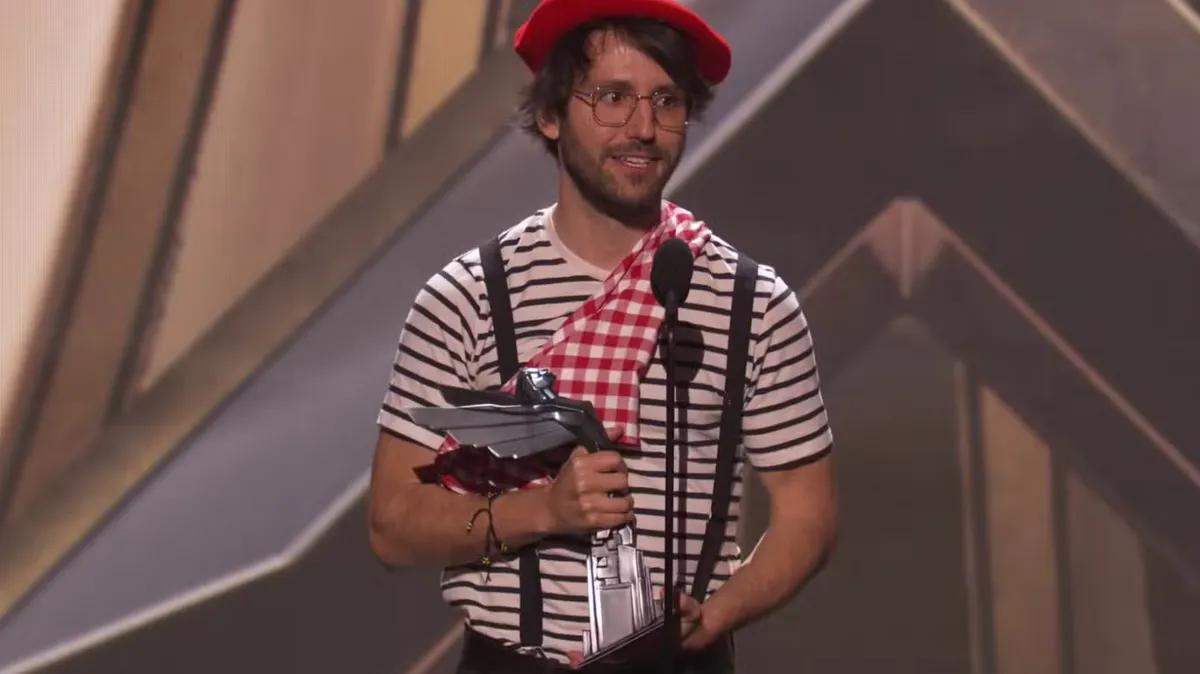
TGA 2025 corrected that course. The production remained polished, but restraint replaced urgency. Winners were allowed to be present. The show still moved quickly, yet it no longer treated speeches as liabilities. That balance helped ground the spectacle, even as elaborate stage moments filled the gaps between announcements. Performers dressed as medieval peasants were lifted above the stage to introduce Larian Studios’ new Divinity project. Evanescence performed to promote Netflix’s Devil May Cry anime. Miss Piggy appeared twice. Geoff Keighley swapped sneakers for designer shoes. None of it overwhelmed the ceremony because it no longer crowded out the awards.
More importantly, the announcements carried substance. Resident Evil Requiem revealed Leon S. Kennedy as a playable character. A new shooter from former Respawn developers arrived without leaks or extended buildup. Casting details for the upcoming Street Fighter film drew attention without overstaying their slot. A new Mega Man game surfaced quietly but confidently. Celebrity appearances existed, but they did not dominate the runtime or eclipse the developers being honored.
The clarity of focus mattered. For years, The Game Awards has chased legitimacy through scale and star power. TGA 2025 achieved it through pacing and trust. The broadcast assumed viewers wanted to hear from winners, not just see them flash past a camera. That assumption changed the tone of the night more than any staging trick.
The show was not flawless. Several awards were still delivered at high speed, with minimal context. Best Indie Game remained confined to the pre-show, a decision that continues to undermine one of the industry’s most vital categories. Some rapid-fire announcements felt perfunctory rather than celebratory. These issues suggest lingering tension between runtime management and editorial priorities.
Even so, the overall effect was cohesive. TGA 2025 embraced its identity as an awards ceremony rather than apologizing for it. The event acknowledged that recognition carries meaning only when it is visible and audible. By letting winners speak, the show reframed itself as a platform for creators rather than a conveyor belt for trailers.
At its core, the broadcast remained an extended promotional vehicle. That reality did not disappear. What changed was the presentation. The commercial structure no longer conflicted with the awards themselves. Instead, it supported them. The night suggested that scale does not require speed, and spectacle does not require silence from those being honored.
TGA 2025 did not reinvent The Game Awards. It refined them. The result was an event that finally resembled the industry ceremony it had long claimed to be.
Read also: Insider reports shed light on why Half-Life 3 was absent from The Game Awards 2025, citing Valve’s internal timing around Steam hardware plans and rising RAM costs as key factors behind the delay.


 Successfully copied... Thank you for sharing our content!:

Comments