




Critic Calls Routine A Stunning Yet Stalled Descent Into Lunar Horror
 Review
 Steam
Steam Games
GamesRoutine review coverage arrives at a moment when the sci-fi horror genre is crowded with nostalgic design, modular tools, and deliberate pacing. This Routine review looks closely at how the game threads retrofuturistic detail, mechanical tension, and narrative missteps into a single lunar setting. The result is a project that builds a striking atmosphere but struggles to justify its late shifts in tone.
The assessment in this post draws on Kerry Brunskill’s review on PC Gamer, published shortly after the game’s December release.
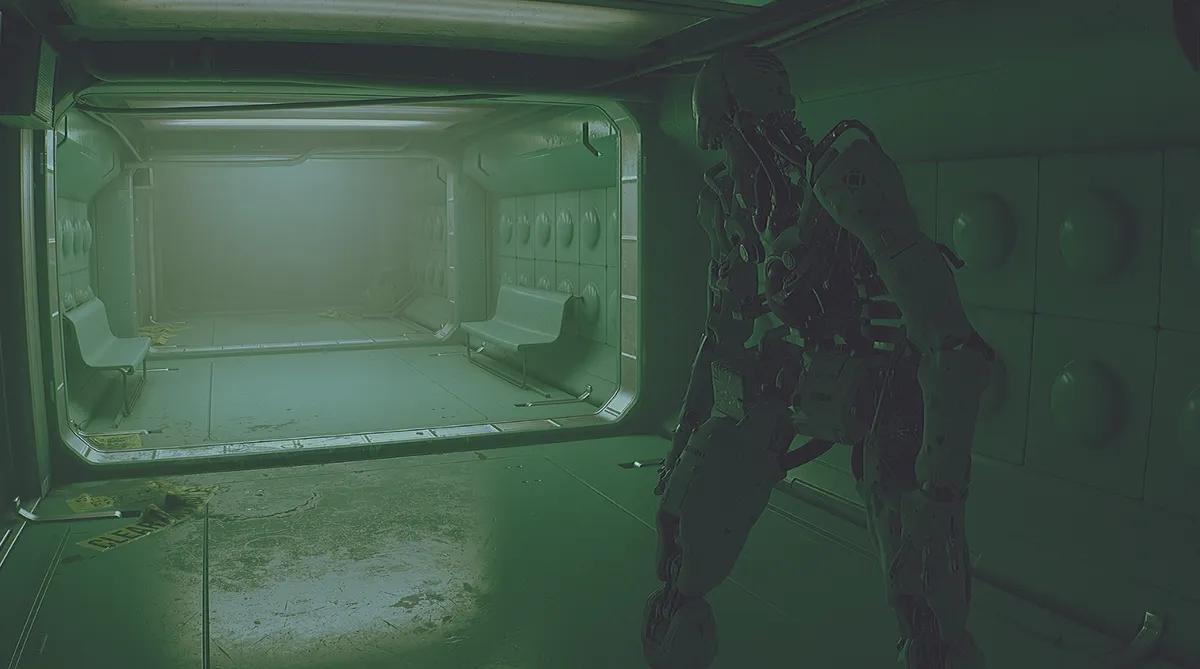
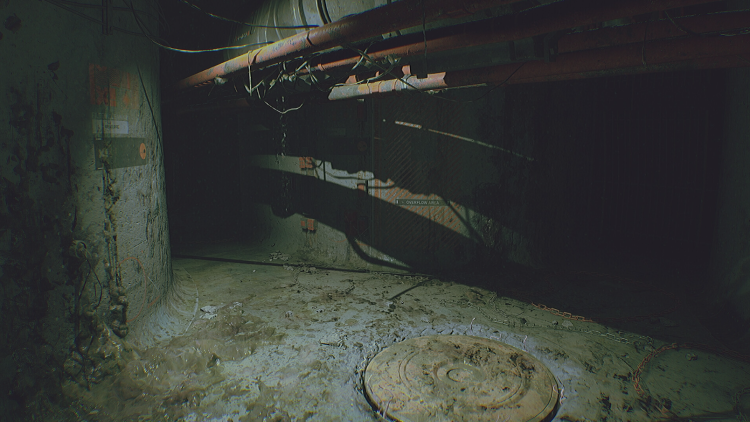
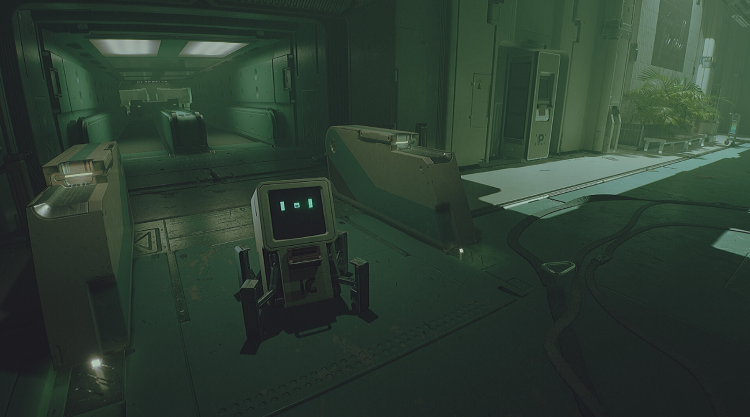
Routine opens with an ordinary workplace irritation, an ID badge skittering into a dusty gap beneath a printer. Still, the mundane scene sets up the game’s core preoccupation with overlooked details. A moonbase built from plastic chairs, scratched glass, battered metal, and CRT displays grounds the world in a vision of the future imagined decades earlier. Each surface shows wear. Each corridor frames the threat of the station’s security systems, which respond to the player like an intruder rather than a colleague. The base is empty of people but filled with remnants of corporate messaging, malfunctioning devices, and broken routines, giving the environment a static yet troubled cast.
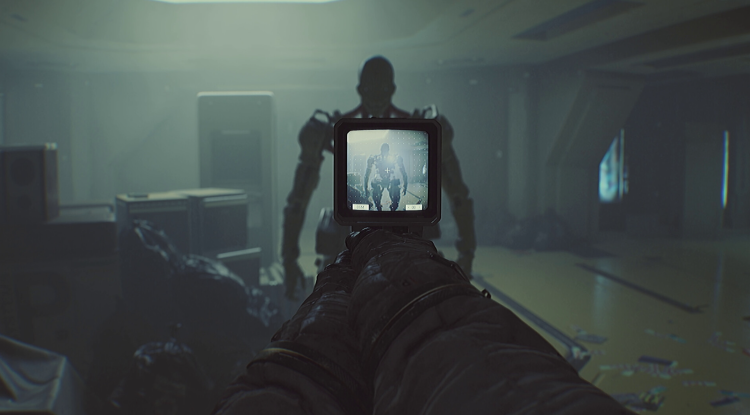
The T5 robots define the game’s moment-to-moment pressure. Their heavy, deliberate footsteps signal danger well before the machines round a corner or sweep a corridor with tight red lasers. These robots can open locked doors, check blind spots, and create the sense of an intelligent adversary tracking the player through a network of rooms. Only one can be active at any time, yet the inactive husks left standing in hallways produce unease of their own. Passing them becomes an exercise in restraint, pushing the player to test whether a silent unit will remain dormant or snap awake at the wrong moment.
Routine’s mechanical structure works because it controls the rhythm of chases. Encounters flare and fade instead of grinding forward without pause. The game allows brief windows for solving puzzles, reading notes, or reorienting before pressure resumes. This modulation keeps the moonbase from turning into a single long pursuit and preserves the impact of each encounter. Health is never displayed. There is no meter, fractured screen effect, or warning layer. Survival is either intact or over, an approach that heightens uncertainty without introducing resource management tedium. The absence of information becomes part of the tension.
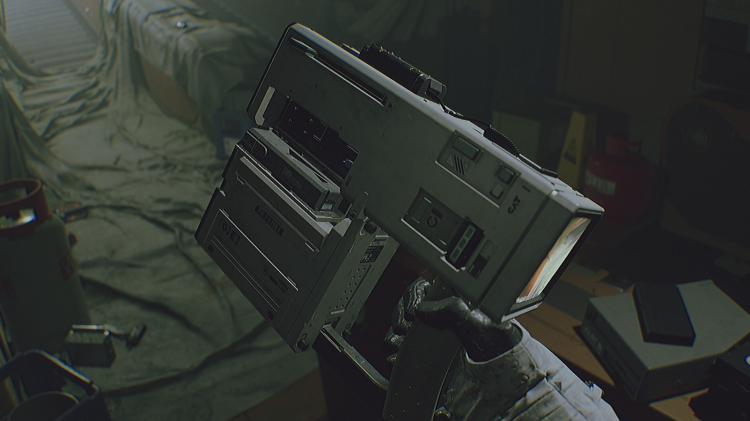
The Cosmonaut Assistance Tool, or CAT, anchors most interaction. Its buttons, sliders, latches, and add-on modules must be handled directly, giving every function a practical feel. Some modules disable enemies for a few seconds; others open locked systems or reveal latent fingerprints. Every use drains a small battery. Each drain matters. Routine’s design avoids punishing the player with hard limits by placing replacements within reach of puzzles that need them. Fully charged batteries or bins of recycled single-use cells appear where necessary to solve problems, preventing a soft lock while still requiring attention to the gauge.
Environmental interaction pushes players to rely on observable facts rather than scripted conveniences. A notable instance comes early: a login terminal requires an ID number. The level contains no hidden card to find because the badge recovered at the start already includes the needed information. That moment reframes the game’s logic. Items in view are not set dressing but active tools. Doors, devices, drawers, and terminals reward close observation rather than abstract reasoning.
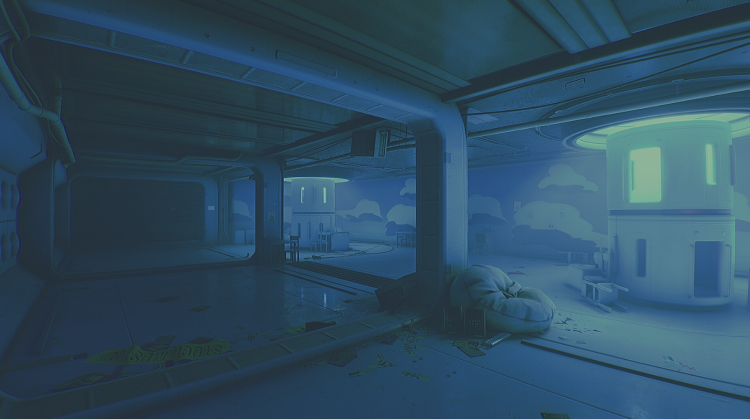
Routine’s commitment to grounded interaction doesn’t extend as firmly to its narrative structure. The game’s first half resembles a conventional corporate sci-fi collapse, complete with malfunctioning systems, a hollow promotional culture, and a veneer of orderly work routines masking a decaying installation. This familiar material is rendered with precision but leads to an early false climax whose visual impact outstrips its narrative weight. The shift that follows moves toward a supernatural register, creating a hybrid of Alien-style tension and something more mystical. The turn is abrupt and lacks connective tissue, leaving the plot suspended between genres and unable to carry the weight of its final revelations.
The ending lands without momentum. The twist that reframes the story does not tie earlier threads together or deepen the stakes. Instead, the plot releases tension without offering resolution, leaving the strongest impressions to the environments and mechanical systems that carried the experience. The review underscores that the game’s most memorable elements occur in its pacing, visual invention, and mechanical tactility rather than its storyline.
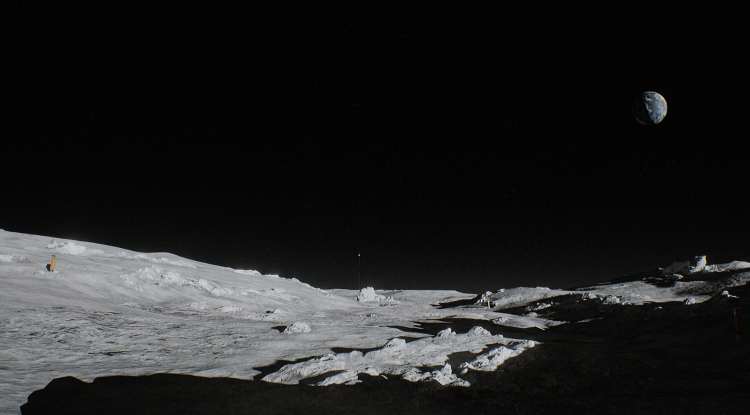
Moment-to-moment play continues to deliver until the final hours. The T5 robots remain a formidable presence. The CAT provides constant tactile engagement. Resource management stays bounded by reasonable constraints. The puzzles adhere to coherent internal logic, rewarding attention rather than brute-force experimentation. The moonbase maintains its sense of place across long sections of exploration. Yet the diminishing force of the horror encounters in the closing chapters makes the end feel detached from the intensity that defined earlier sequences.
Brunskill noted the effect of this imbalance:
“Being constantly chased is actually really annoying.”
The line describes the careful balance Routine maintains in its strongest passages. It gives room to breathe, space to assess, and then leans back into danger. When story structure disrupts that balance, the experience loses the coherence that makes its mechanical design work.
Routine closes with a score of 77, reflecting a project that succeeds in craft and atmosphere but cannot fully sustain its narrative ambitions. Its retrofuturistic textures, responsive encounters, and consistent mechanical grounding create a potent setting. The moonbase feels like a place designed for function rather than spectacle, and its threats operate with clear rules. The story, however, strains against its own final turn, muting the impact of the imagery and tension built across the early and midgame.
The review underscores that Routine remains compelling when it relies on physical detail, spatial tension, and a steady cycle of discovery and threat. Its narrative falters, but the design of its puzzles, robots, and tools anchors the experience. The lunar setting stands out as a lived-in, coherent space shaped by retrofuturistic aesthetics and grounded mechanical logic. Even with its uneven conclusion, Routine presents a focused take on sci-fi horror that uses tight systems and deliberate pacing to shape its world.
ROUTINE is available to play on PC (Steam).


 Successfully copied... Thank you for sharing our content!:

Comments