




What Ellen G. White's Warnings on Games of Chance Mean in the Age of Sports Betting Apps
Ellen White never saw a smartphone. She never watched a parlay slip cash out mid-game or heard a stadium announcer read off a sportsbook's name between innings. But she saw something she recognized instantly in the card tables and lottery wheels of her own century: a spirit that promises something for nothing and quietly reorganizes a person's whole relationship to money, time, and God.
That spirit didn't die with the nineteenth century. It got an app icon.
In her writings on gambling and covetousness, White was specific. She didn't just object to cards or dice as neutral objects. She objected to the appetitethey cultivate, the restless hunger to get rich without labor, and the way that hunger corrodes honesty, patience, and trust in providence. Read those passages next to a 2026 headline about a 24-year-old running up a same-game parlay on his phone during a commercial break, and the gap between 1890 and now collapses fast.
The Spirit She Named Has a New Delivery System
Here's the thing. White wasn't writing about casinos specifically. She was writing about a disposition what she called the spirit of gambling, the desire to obtain money or goods without honest equivalent given in return. That disposition doesn't need a riverboat or a back room. It needs a notification.
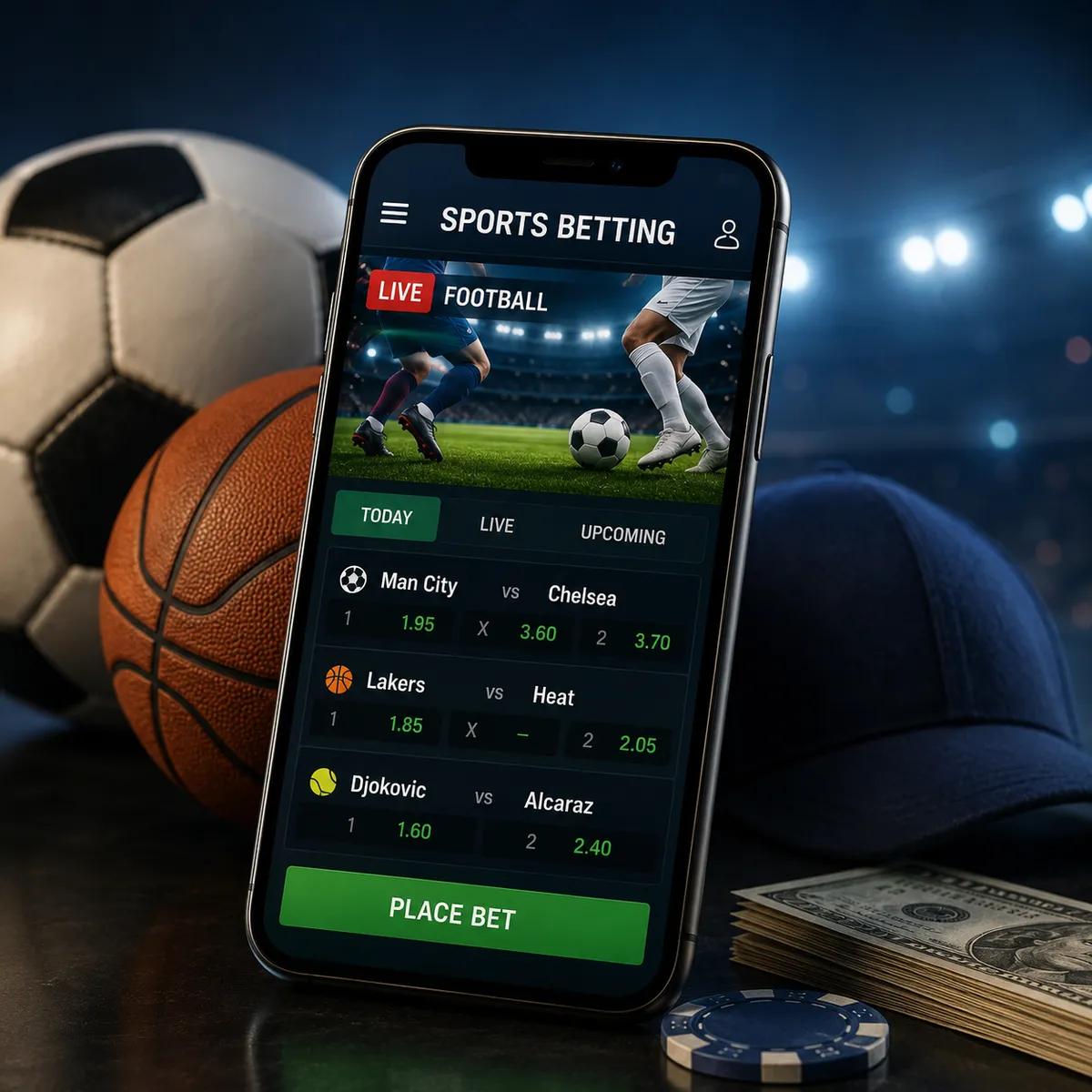
Modern betting apps are engineered, quite deliberately, to keep that disposition activated. Scientific American has documented how these platforms borrow directly from behavioral psychology: variable-ratio rewards, near-miss animations, in-play odds that shift second by second to keep a user's thumb on the screen. It's the same mechanism slot designers perfected decades ago, just repackaged as a live NFL feed with a bet slip bolted on. The chance-seeking White described as spiritually corrosive is now A/B tested by product teams.
And it's working. Public health researchers aren't hedging on this anymore. A recent analysis covered by STAT News frames app-based betting as a genuine public health crisis, not a moral abstraction, a measurable rise in compulsive use tied directly to how accessible and constant these apps have become since states began legalizing mobile wagering after 2018.
If you want the receipts on how bad it's gotten regionally, plenty of readers still go looking for a Northeast Times gambling sites list just to understand the landscape they're wading into: which platforms operate where, what the regulatory guardrails actually cover, and what's changed since legalization. That's not an endorsement to place a bet. It's closer to reading the label before deciding whether to open the bottle.
Covetousness Doesn't Care What Century It's In
White's core argument against gambling was never really about the game mechanics. Cards, dice, a slot reel, a parlay slip, these are just vehicles. Her deeper concern was covetousness: the love of money, the desire to acquire without earning, the slow substitution of trust in God's provision with trust in a lucky outcome.
That framing holds up embarrassingly well against 2026's numbers. Pennsylvania's gaming industry alone crossed $7 billion in total revenue for the fiscal year ending in June, per state gaming board data reported by SportsHandle. Seven billion dollars moved through slot machines, table games, and sports wagers in a single state, in a single year. Multiply that pattern across every state that's legalized mobile betting since the Supreme Court struck down PASPA in 2018, and you get a picture of exactly the kind of mass chance-seeking White warned would consume a nation's attention and resources.
The public seems to sense it too. Pew Research Center found that Americans are growing steadily more uneasy about legalized sports betting, with a large share now viewing its normalization as bad for society and for sports themselves. Not gambling addicts. Ordinary respondents in a national survey, watching their neighbors and their kids get pulled into something that didn't exist in its current form seven years ago.
Some numbers here aren't abstractions. NBC News reported on an Epic Research review of nearly 200 million patient records that found gambling disorder diagnoses climbing fastest in states that legalized sports betting, with young men disproportionately affected. That's not "many players report." That's a clinical pattern, documented, dated, and directly tied to policy changes most of these patients had no hand in writing.
Self-Control Was Always the Real Target
White wrote extensively on temperance, and not just in the narrow sense most people associate with the word today. Her temperance counsel covered appetite broadly: food, drink, and yes, the appetite for risk and quick gain. The through-line in her writing is self-government. A Christian, in her framing, is someone whose desires answer to conscience and reason rather than the other way around.
Sports betting apps are engineered to short-circuit exactly that governance. Cash-out buttons remove the natural pause between impulse and action. Live odds ticking in real time create urgency where none organically exists. A withdrawal that clears in six seconds and a deposit that clears just as fast erase the friction that used to separate a passing thought from a placed wager.
I've sat with relatives who describe checking a betting app the way they'd describe checking a stock portfolio, except the stock portfolio doesn't buzz their phone every four minutes during a Sunday game. That's not weakness of character in some isolated sense. That's a product built by people who understand behavioral triggers better than most pastors understand their own congregations, deployed against users who've had zero doctrinal preparation for resisting it.
What This Doesn't Mean
It would be easy, and lazy, to turn this into a simple "gambling bad, avoid entirely" essay and stop there. White's counsel deserves more precision than that, and so does the modern reader.
She wasn't primarily worried about occasional harmless recreation in the abstract. She was worried about the habit of mindthat treats chance as a legitimate substitute for labor, patience, and trust. A single office football pool doesn't automatically indict a soul. A daily parlay habit funded by rent money, chased with borrowed funds after a loss, absolutely fits the pattern she described in devastating detail.
The distinction matters because moralizing without nuance tends to get tuned out entirely, and that serves no one, least of all the people already caught in a pattern they can't name.
If You're Going to Engage With It Anyway
Some readers will close this article and still place a bet this weekend. That's real, and pretending otherwise doesn't help anyone. If that's you, at minimum, know what you're dealing with rather than stumbling into it blind.
Understand the state's licensing regime before you deposit a dollar. Know that a 20x or 35x rollover on a sportsbook bonus (when they still offer one) functions less like a gift and more like a leash. Know that the same CBS News reporting tracking a post-legalization surge in gambling-addiction search terms is tracking people who started exactly where you're standing right now, confident they'd stay casual.
And if you're a parent, know the data on youth exposure isn't theoretical. Nearly two-thirds of adults over 21 reported gambling in some form before turning 21, according to a Harris Poll survey for the National Council on Problem Gambling published earlier this year. That's not a future risk. That's a pattern already set in most households before anyone thought to have the conversation.
The Warning Wasn't About the Cards
White's writing on games of chance has aged strangely well, not because she predicted smartphones, but because she diagnosed the appetite underneath them. The delivery mechanism changed completely. Riverboat gambling became a parlay app with push notifications and a same-day withdrawal. The underlying spiritual dynamic she named, restlessness with providence, hunger for unearned gain, erosion of self-command, didn't change at all.
That's worth sitting with the next time a betting app notification lights up a phone during a game. The question was never really about the odds on the screen. It was about what's being trained in the person holding the phone.


 Successfully copied... Thank you for sharing our content!:

Comments