




Former Wildlight Developer Opens Up About The Toxic Discourse And Layoffs Surrounding Highguard
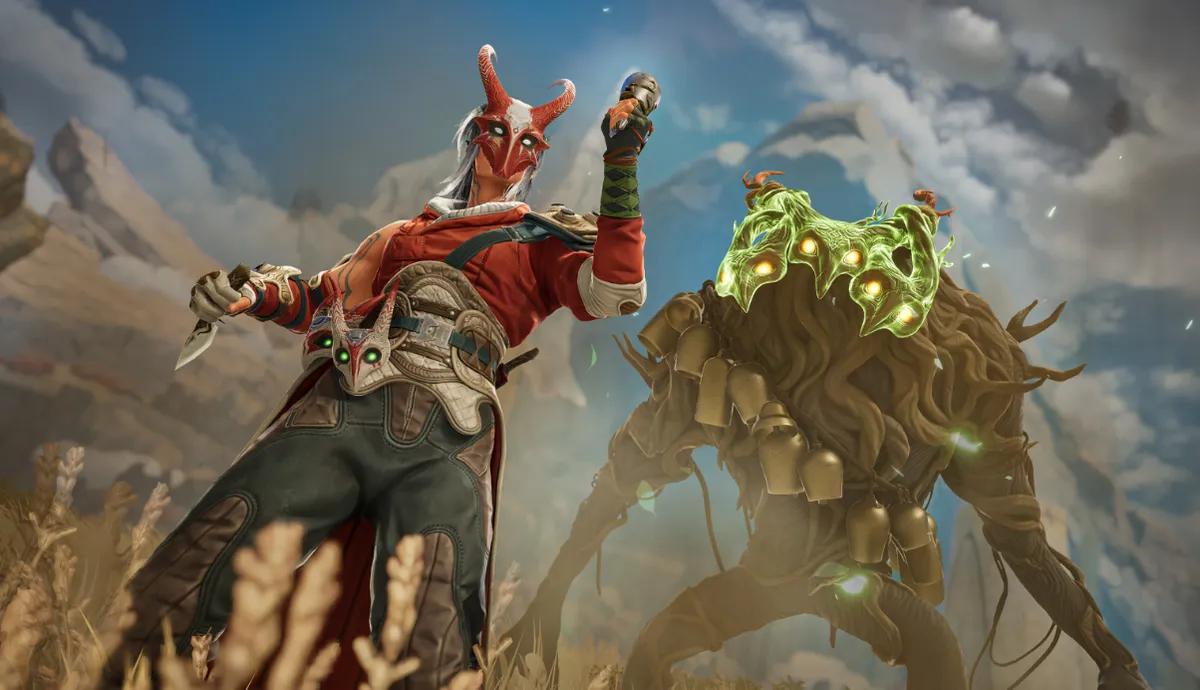
The release of Highguard has become a central topic of discussion following its appearance at The Game Awards 2025, where a trailer introduced players to a new world of battling Wardens and their magical mounts. The game officially launched in January and saw a significant influx of players during its initial release window. This arrival was quickly met with a wave of criticism regarding specific gameplay elements such as the map size and the limitations of the 3v3 format. While the studio attempted to address these concerns, the narrative surrounding the game shifted rapidly from anticipation to hostility.
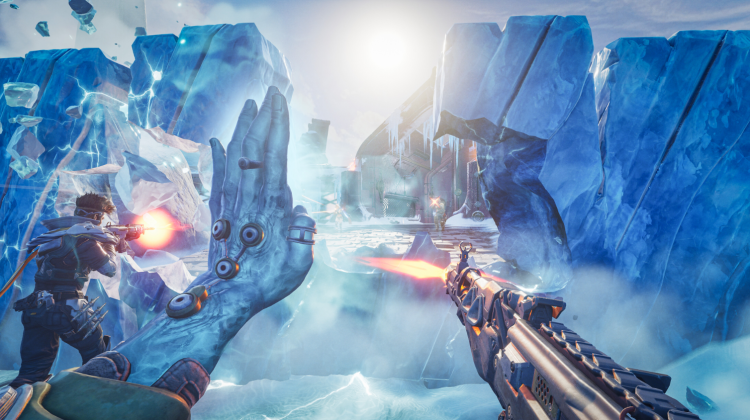
Internal adjustments were made in an attempt to stabilize the situation, but the studio ultimately announced layoffs weeks after Highguard's debut. The team had worked to improve the player experience through several patches and content updates designed to alleviate the early complaints. One significant change involved making the 5v5 mode a permanent feature, a shift from its original limited-time status. Despite these efforts to regain player favor, the negative sentiment persisted. Former lead technical artist Josh Sobel shared his perspective on these events in a lengthy (deleted) post on social media, suggesting the project faced insurmountable odds from the moment it was revealed.
"We were turned into a joke from minute one."
— Josh Sobel
According to Sobel, the team felt the project was doomed immediately following the reveal at The Game Awards. He describes a situation where false assumptions about the game’s marketing, specifically regarding the cost of the ad placement, fueled a negative firestorm. Prominent journalists and content creators reportedly treated speculation about a "million-dollar ad placement" as fact, which established a narrative that the game was dead on arrival. This immediate backlash created an environment where creators could generate engagement through negative coverage. I see how this cycle of negativity can obscure the actual work put into a title, regardless of its quality.
Sobel noted that internal feedback prior to the reveal had been quite positive. The development team, operating as an independent and self-published studio, believed they had a potential hit. The studio structure was built with royalties in mind, leading many team members to hope this project would alleviate financial pressures. This internal confidence contrasted sharply with the external reaction. Sobel pointed out that negative content often garners significantly more engagement than positive previews, giving creators an incentive to lean into disingenuous angles.
"The hate started immediately."
— Josh Sobel
The harassment extended to personal attacks. Sobel locked his X profile following the release of the trailer, which led to further videos mocking his reaction and accusing him of cowardice for being proud of his work. He described the experience as emotionally taxing. While he acknowledged that constructive criticism regarding the trailer and marketing exists, he emphasized that the team never got a fair chance to respond before the narrative was set. The volume of negativity included review bombing on a massive scale.
"At launch, we received over 14k review bombs from users with less than an hour of playtime. Many didn't even finish the required tutorial."
— Josh Sobel
The comments sections were flooded with meme phrases, comparing the game to other high-profile failures with comments like "Concord 2" and claims that "Titanfall 3 died for this." Sobel argues against the notion that developers blame gamers for failures, calling it silly, but insists that consumers do have the power to inform discourse. He stated that while the game might not have thrived without the negative discourse, the "absurd amounts of effort" put into slandering Highguard played a definitive role in its trajectory.
In the recent interview with Dexerto, Highguard’s creative and design director, Jason McCord, reveals that Wildlight Entertainment didn’t expect the game to have so much hate, and the developers were confident they’re creating something unique among first-person shooters.
I believe it is important to look at the hard data of 14,000 negative reviews from players who barely touched the tutorial to understand the scale of the pushback. This level of coordinated disapproval goes beyond typical critique. Despite the layoffs and the rocky start, Highguard has not been shut down. A core group of developers remains at Wildlight, continuing to work on the game. The future of the title remains uncertain, but the studio has not ceased operations entirely. Other developers have voiced support, with the studio behind Splitgate: Arena Reloaded, 1047 Games, noting the difficulty of launching a perfect game on day one.
"No game is perfect on day one."
— 1047 Games
Sobel concluded his thoughts by stating that despite the abrupt and emotionally challenging end to his time with the project, he does not regret the experience. The situation highlights the volatility of modern game releases, where initial perceptions can solidify into barriers that even substantial gameplay updates struggle to overcome.


 Successfully copied... Thank you for sharing our content!:

Comments