



Toyota Connected North America Develops A Proprietary Game Engine For In-Vehicle Displays
 Announcement
 Companies
Toyota Connected North America, a subsidiary of the automotive manufacturer, has been developing its own proprietary game engine. The project, named Fluorite, is not aimed at the personal computer or console gaming markets. Instead, its purpose is to deliver high-performance 3D graphics and interactive user interfaces specifically for in-vehicle systems.
The engine's architecture works closely with Flutter, the user interface framework developed by Google. It employs the Dart programming language to manage both game logic and the interface itself. This approach is intended to yield efficient performance even on the lower-specification or embedded hardware typically found in automotive applications. Toyota's goal was to build a system capable of running complex visual elements smoothly within the constraints of a car's dashboard display.
The information was first reported by Automaton, which translated details from the original Japanese source, Game*Spark. According to the reports, Toyota Connected North America revealed the Flourite engine after initially considering other options. The team had researched using established game engines for its upcoming 3D automotive device displays. They concluded that the most prominent engines on the market either involved high licensing fees or were too resource-intensive to run optimally on the intended hardware. This evaluation led to the decision to create a new engine from the ground up, tailored specifically to their unique requirements for efficiency and cost-effectiveness. The project was discussed during a presentation at the Free and Open Source Software Developers’ European Meeting (FOSDEM) in Brussels in February 2026.
The official website for Fluorite highlights four key technological features. The first is its high-performance Entity Component System, or ECS, core. This core is written in C++ to maximize performance and create opportunities for optimization on weaker hardware platforms. At the same time, this design allows developers to work with the higher-level Dart language and use familiar game development tools. I see this setup allows developers to transfer their existing knowledge from other game engines, which could lower the barrier to entry for teams interested in the technology. This dual approach balances the need for low-level performance with the convenience of modern development practices, making the engine more accessible.
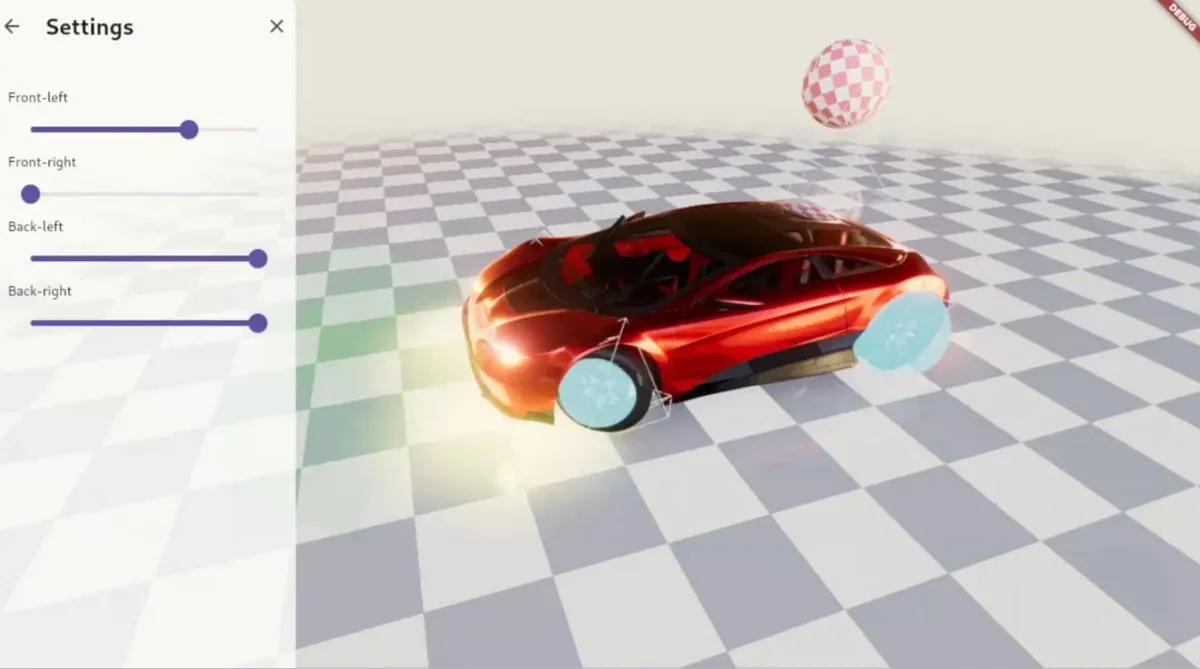
A second major feature is the implementation of model-defined trigger touch zones. This system permits digital artists to set up "clickable" areas on 3D models directly within the Blender software environment. Once defined, these zones can be assigned to trigger specific in-engine actions. From there, developers can connect these click events to any desired behavior, which simplifies the process of building interactive 3D interfaces. This allows end-users to interact with objects and controls in a more intuitive way. I do think this direct pipeline from artistic creation to functional implementation removes several technical steps that would otherwise complicate the development workflow. It makes the construction of complex user interfaces significantly more straightforward for the entire team.
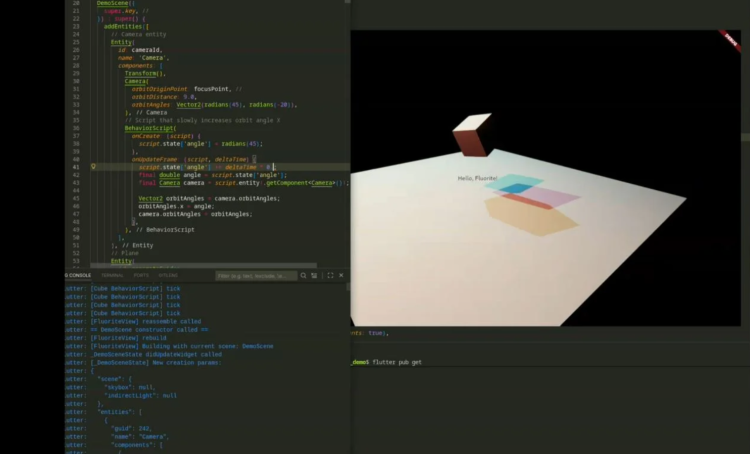
The third highlighted feature is console-grade 3D rendering. This is powered by Google’s Filament renderer, a real-time physically based rendering engine. It uses modern graphics APIs to produce high-quality visuals, aiming for an aesthetic comparable to that seen on gaming consoles. The fourth feature is support for Flutter’s Hot Reload capability. This allows developers to update their scenes and see the results of their changes almost instantly, often within just a few frames. This rapid feedback loop enables teams to confirm edits and iterate on their work much faster, which in turn accelerates the overall game development timeline.
While Toyota’s primary application for Fluorite is the development of its own in-vehicle 3D displays, the company is marketing it as a fully featured open-source engine. This decision opens the door for its use in other contexts. Independent developers, who often work with limited budgets and may target a wide range of hardware, could find Fluorite to be a viable tool for their own projects. Its open-source nature means there is potential for it to find its way into regular game development, far beyond the automotive world it was originally designed for.
Back in 2023, Toyota signaled an interest in exploring Web3 technologies for its business. The automaker announced it was looking for developers in the Web3 sector and planned to hold a hackathon. This event was designed to attract talent from various decentralized autonomous organizations to help the company establish a presence in that emerging area.


 Successfully copied... Thank you for sharing our content!:



5% deposit bonus up to 100 gems

a free Gift Case




EGAMERSW - get 11% Deposit Bonus + Bonus Wheel free spin


EXTRA 10% DEPOSIT BONUS + free 2 spins

3 Free Cases + 100% up to 100 Coins on First Deposit


5 Free Cases, Daily FREE & Welcome Bonuses up to 35%

3 free cases and a 5% bonus added to all cash deposits.

+5% to deposit




Comments