




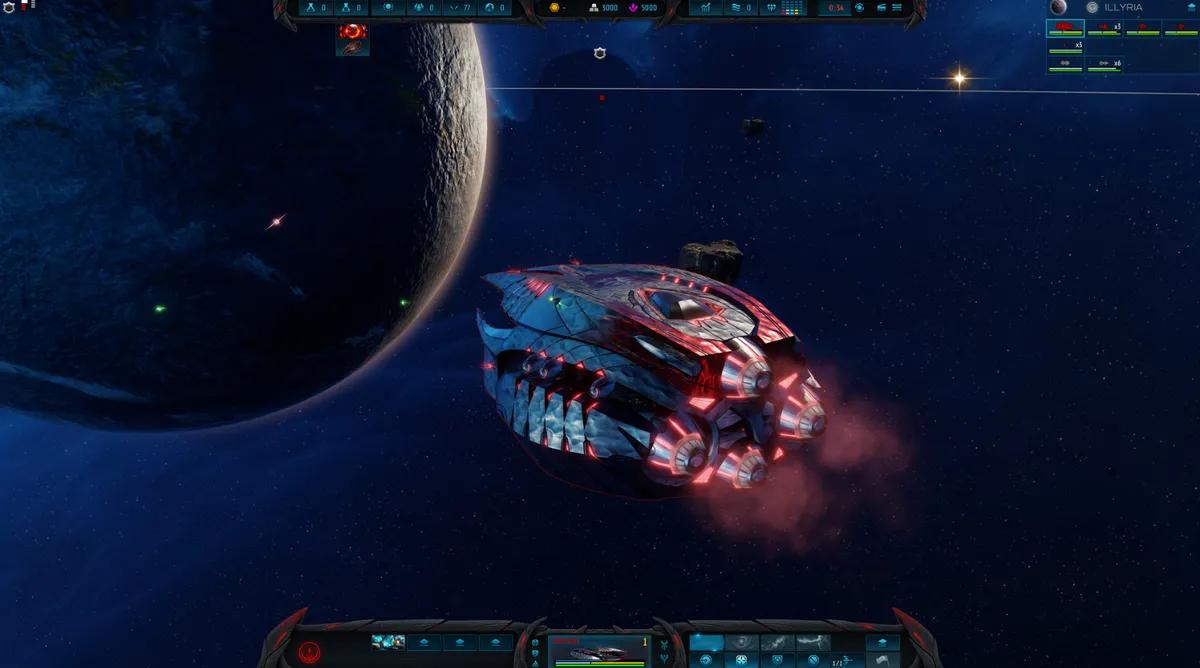
Sins Of A Solar Empire 2 Review: The Long Road To Galactic Supremacy
 Review
 Games
GamesI came into Sins of a Solar Empire 2 expecting scale, and it delivers that almost immediately. The first moments are quiet. One planet. A few ships. A starfield that feels empty. Hours later, that same space fills with overlapping gravity wells, trade routes, orbiting planets, and fleets that take minutes to fully arrive on screen. The game asks for patience. It pays that back with battles that feel earned rather than staged.
Before going further, thanks to Dan Stapleton for his review on IGN, which helped frame several of the observations here and clarified where this sequel stands in relation to the original.
Sins of a Solar Empire 2 sits between real-time strategy and 4X design, but it does not try to soften either side. It lets you zoom from a solar system map down to a single cruiser rotating its turrets in real time. That flexibility defines how the game feels to play. I spend long stretches managing research queues, planetary upgrades, and logistics, then suddenly jump into a close-up view as fighters spill out of carriers and missiles track capital ships across open space. The contrast works because both layers matter.
The learning curve looks hostile at first. Systems stack quickly. Research splits into two parallel trees. Every planet has upgrade slots that affect income, defenses, culture, and logistics. Capital ships level up and unlock abilities. Factions have mechanics that bend or replace entire resource models. Despite that, I did not need to understand everything to win. After dozens of hours, mostly against Unfair AI in free-for-all matches, victories came even while entire subsystems remained underused. The game allows selective focus. You can ignore culture or deep diplomacy for a long time and still build a functional empire.
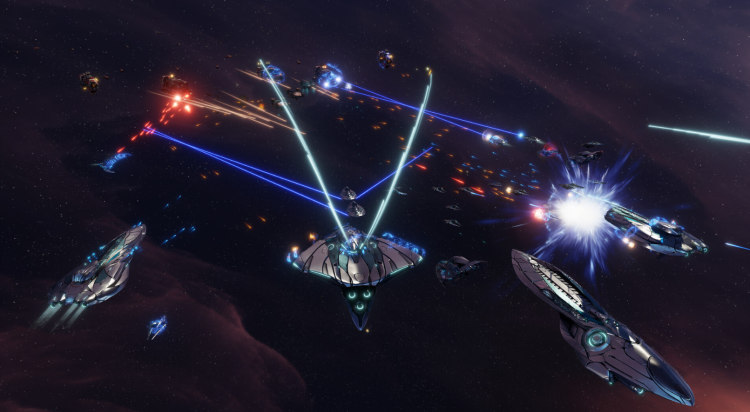
All six factions share a core structure. They colonize planets, extract metal and crystal, build orbital infrastructure, and field similar classes of ships. Past that surface, their differences matter in practical ways. The TEC Enclave leans defensive, reinforcing choke points and trade networks. TEC Primacy pushes outward with raiders and long-range planetary bombardment, including the Novalith Cannon that can strike from across the system. The Vasari Alliance removes money from the equation almost entirely, relying on influence with minor factions to call in reinforcements or upgrades. Vasari Exodus goes further, stripping planets of resources and destroying them outright. The Advent Reborn focuses on resurrecting fallen ships, while Advent Wrath uses mind control to turn enemies into temporary assets.
Trying each faction changes how matches unfold. Fleet composition, expansion timing, and even which planets feel worth holding shift from one game to the next. Replayability comes less from map variety and more from how differently each faction solves the same strategic problems.
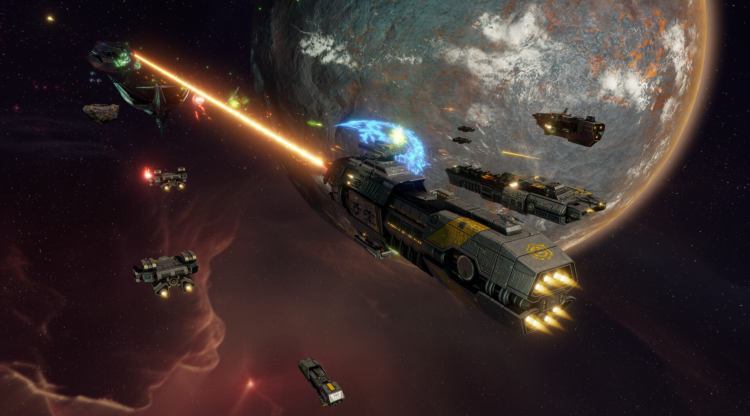
Visually, the game is strongest once large battles finally happen. Updated tech allows ships to bristle with rotating turrets that track targets independently. Missiles arc across space. Beams cut through formations. Dan Stapleton captured that moment clearly when he wrote:
“It really does look spectacular when major battles are joined, and the lasers and missiles start flying.” — Dan Stapleton.
The problem is timing. It can take several hours to reach those moments, and the early game plays very close to the original Sins of a Solar Empire from 2008.
The opening phase follows familiar rhythms. Automated scouts fan out. A starting capital ship clears neutral defenders. Research unlocks planet types one by one. Expansion races outward until borders touch. If you played Rebellion, very little here feels new at first glance. The biggest early change comes from the exotic materials system. Capital ships, starbases, and certain high-end structures require specific exotics that cannot be mass-produced early on. At the start, these materials come from random planetary discoveries or salvaging destroyed enemy capital ships. That constraint forces improvisation. You may want a specific ship but lack the required exotic, pushing you toward alternatives.
Later, that friction fades. Research unlocks refineries that convert metal and crystal into exotics over time. Once that happens, the system becomes a timer rather than a limiter. The game will even auto-research missing technologies if you queue a ship that requires them. At that point, exotics extend build times more than they shape decisions.
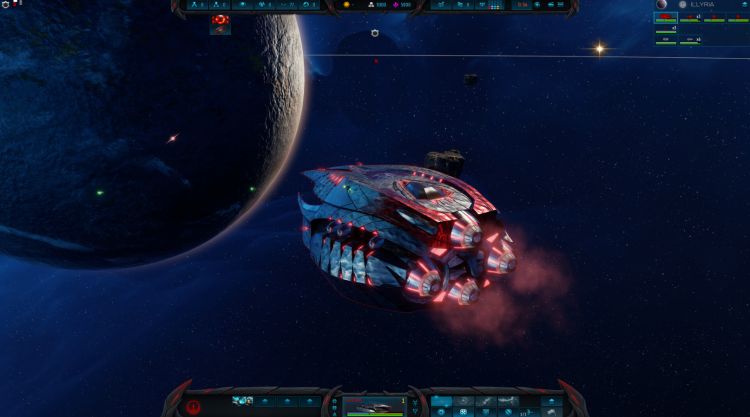
The midgame is where Sins of a Solar Empire 2 separates itself from its predecessor. Layers accumulate quickly. Dan Stapleton described this transition directly:
“In the midgame, Sins 2 really starts showing off what makes it different from the original.” — Dan Stapleton.
I felt that shift as matches expanded from border skirmishes into full logistical contests. Pirate raids, minor faction diplomacy, culture spread, planetary items, capital ship equipment, and faction-specific abilities all demand attention at once.
Even planetary motion adds pressure. By default, planets orbit the central star at different speeds. Borders drift. A well-defended world can slide into enemy space if ignored. It is inconvenient when it happens to you and genuinely funny when it happens to someone else. That small system forces regular map awareness in a way static maps never did.
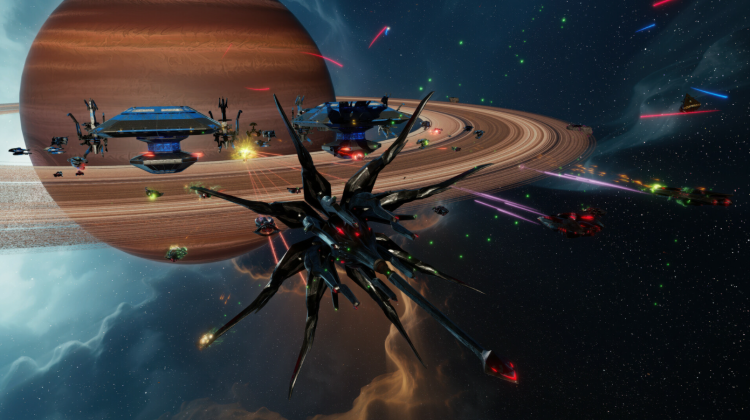
Despite how slow things look on screen, there is rarely downtime. Fleets take time to cross gravity wells. Research bars fill slowly. Construction crawls. Underneath that pace, menus constantly demand decisions. I am adjusting planetary slots, assigning ship items, rebalancing income, queuing research, reinforcing fleets, and scanning the map for threats. The ability to pause in single-player becomes essential, not optional.
Fleet management tools help. Reinforcements can be built directly into an existing fleet instead of hunting for shipyards. Groups are easy to organize. Movement commands are clear. The interface still overwhelms at times, but it rarely blocks progress once habits form.
Combat itself does not require heavy micromanagement. Capital ship abilities can auto-cast once unlocked. Fighters and bombers handle themselves. You can zoom in and manually trigger abilities for better results, but ignoring that layer does not doom you. Positioning matters more than button timing. Keeping fragile ships outside starbase range, retreating damaged capital ships before destruction, and choosing when to commit reinforcements often decide engagements.
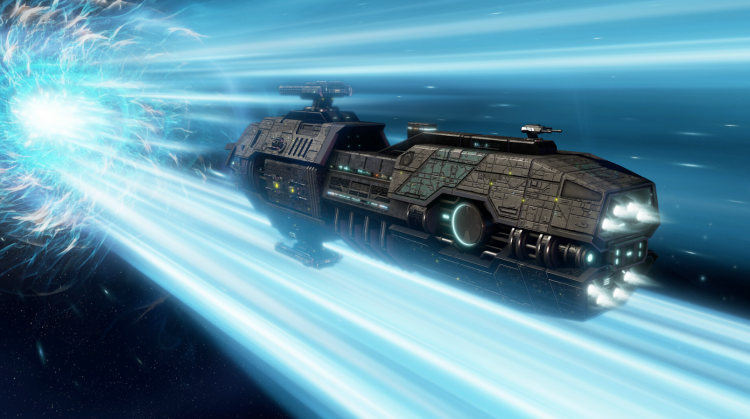
Stapleton summarized the underlying truth of these fights well:
“Wars are won on a logistical level by making sure your fleet is well supplied and fully upgraded.” — Dan Stapleton.
Numbers and production capacity decide outcomes long before fleets meet. A smaller force rarely wins through clever ability use alone when facing a stronger economy.
The AI supports this structure early and midgame. Enemy factions pressure borders, raid weak points, and occasionally coordinate attacks. Late game performance drops. In several matches, I was pushed back to core worlds by coordinated assaults, only to see enemies retreat without finishing the job. That pause gave time to rebuild and reverse the situation, even when opponents had already fielded Titans. The failure to commit to a killing blow feels artificial and breaks tension near the end of long matches.
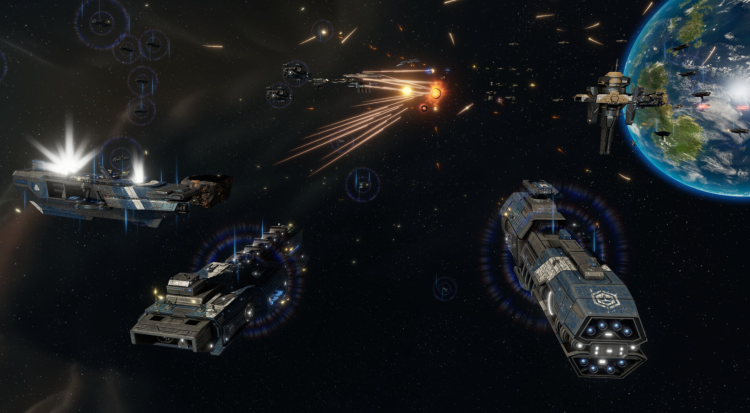
Multiplayer theoretically solves that problem. Human opponents would not hesitate. In practice, finishing multiplayer games remains difficult. Even small matches sprawl across dozens of planets and last for hours. Larger games span multiple solar systems with up to ten players. The commitment required is high. The option to drop in and out, letting AI take control temporarily, helps, but it does not shorten the experience.
Mod support expands the game far beyond its base content. The built-in mod manager already hosts conversions that add ships from Star Wars, Battlestar Galactica, and Star Trek. If the original Sins community is any indication, that ecosystem will outlive official updates by years.
This Sins of a Solar Empire 2 Review comes down to endurance. The game does not rush its best moments. It expects you to manage complexity for hours before rewarding you with massive confrontations that feel earned through preparation. Mastery takes time, tutorials, and outside reading. Enjoyment does not. Once basic economic loops make sense, the game allows you to play to your strengths, ignore what you dislike, and still succeed.
Sins of a Solar Empire 2 does not reinvent its foundation. It refines it, layers systems on top, and trusts players to engage at their own pace. When everything finally collides, fleets filling the screen and planets burning under sustained fire, the long buildup feels justified. For players willing to commit the time, the scale remains unmatched.


 Successfully copied... Thank you for sharing our content!:



5% deposit bonus up to 100 gems

a free Gift Case




EGAMERSW - get 11% Deposit Bonus + Bonus Wheel free spin


EXTRA 10% DEPOSIT BONUS + free 2 spins

3 Free Cases + 100% up to 100 Coins on First Deposit


5 Free Cases, Daily FREE & Welcome Bonuses up to 35%

3 free cases and a 5% bonus added to all cash deposits.

+5% to deposit




Comments