




Octopath Traveler 0 Reclaims Its Journey In A Late-Game Ascent
 Review
 Games
GamesOctopath Traveler 0 arrives as a reconstruction rather than a clean sequel, reshaped from a mobile prequel into a full-length console RPG. The result is a game defined by patience. The first dozen hours establish systems, themes, and narrative threads that rarely impress in isolation. The final stretch, however, reframes nearly everything that comes before it. What initially feels routine or uneven gains weight as storylines converge, mechanics deepen, and the game commits to consequences. The scale demands time, but the payoff depends on how thoroughly those hours are allowed to accumulate.
This assessment aligns closely with Michael Higham’s review on IGN, which serves as a primary reference point for understanding how Octopath Traveler 0 evolves over its runtime. Higham spent more than 100 hours with the game, noting that while much of that experience is merely solid, the closing chapters elevate the entire journey. His analysis frames the game not as a constant high point, but as one that earns its reputation through delayed impact rather than immediate spectacle.
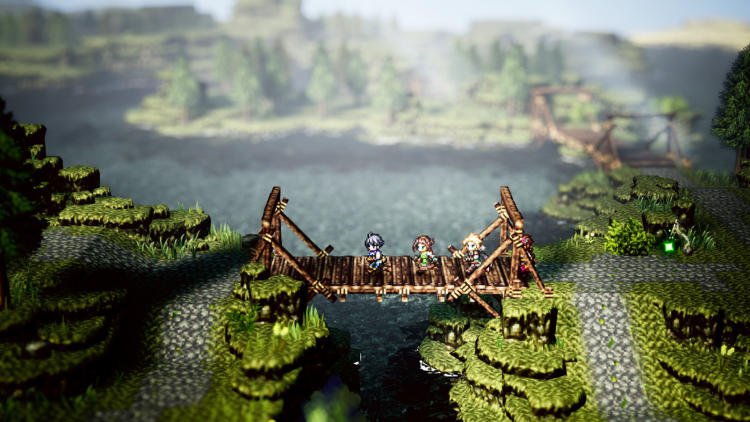
At its foundation, Octopath Traveler 0 is a reworked version of Octopath Traveler: Champions of the Continent. The most significant change is the complete removal of gacha mechanics and microtransactions. Party members are no longer acquired through chance or monetization, but through side quests and story progression. This single decision reshapes the experience into something recognizably traditional. What remains is a classic RPG structure with modern presentation, reinforced by additions to both story and gameplay that justify its release beyond mobile platforms.
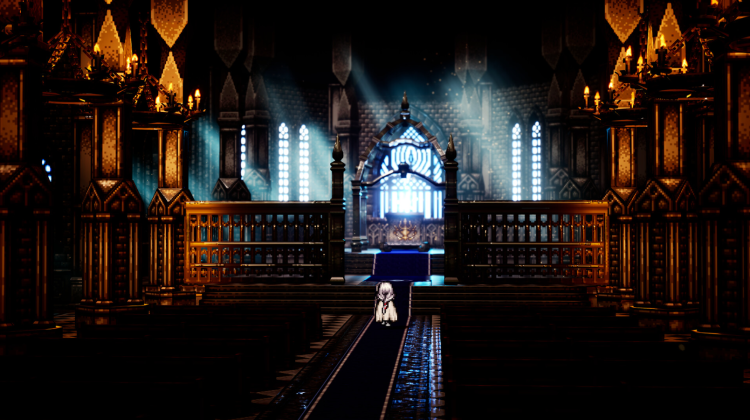
The early narrative struggles to establish momentum. Dialogue often lacks nuance, and several antagonists rely on exaggerated cruelty rather than layered motivation. Boss encounters provide mechanical satisfaction, but the villains behind them rarely linger as characters. These shortcomings are most visible in the opening half, where themes are introduced bluntly, and plot beats resolve without much reflection. Still, the game avoids stagnation by shifting focus regularly, preventing any single thread from overstaying its welcome.

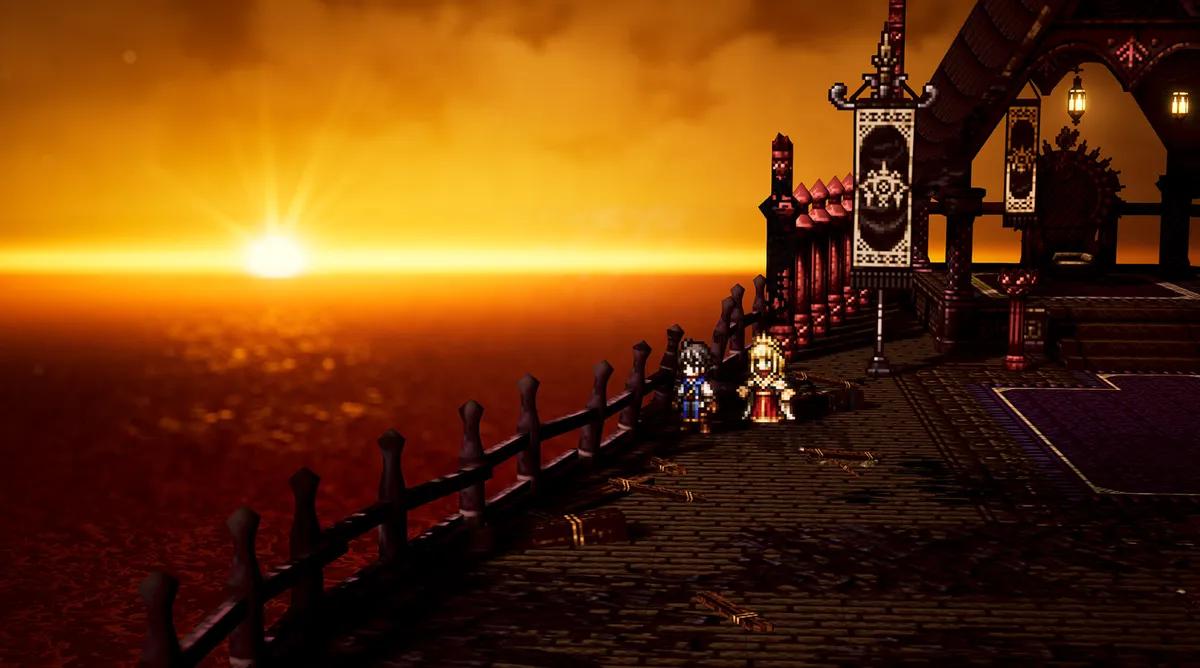
The main quest begins with the destruction of the protagonist’s hometown, Wishvale. From there, the story branches into three parallel paths centered on power, fame, and wealth. Each path targets a different antagonist, and together they form a false conclusion roughly 40 hours in. The apparent ending is intentional misdirection. After the credits roll, the narrative resets its scope, introducing three new arcs that revisit those same themes under greater pressure. Political conflict, religious corruption, and national betrayal take center stage as Orsterra’s broader structure comes into view.
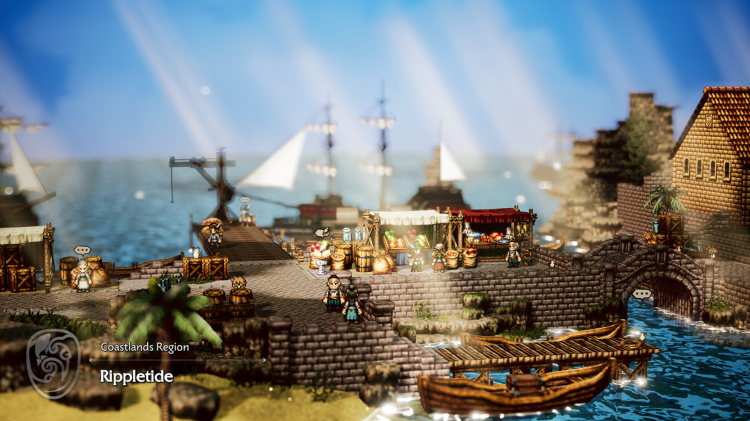
“I can almost guarantee you’ll find that few games blossom quite like Octopath Traveler 0.”— Michael Higham
Unlike previous entries, the story centers on a single custom protagonist rather than eight parallel leads. This choice tightens the narrative focus, allowing themes to intertwine instead of running adjacent. The familiar “chosen one” framework is grounded through the concept of eight divine rings, each tied to godlike power and human failure. While this approach sidelines individual party members, it strengthens the overall arc. Many of the more than 30 recruitable characters lack depth, but their presence serves a larger purpose that becomes clear much later.

That delayed relevance defines much of Octopath Traveler 0’s design. Recruiting characters, completing side content, and engaging with optional systems often feel inconsequential at first. Over time, these elements feed directly into the climax in ways that are neither obvious nor explained in advance. The game relies on memory rather than exposition, trusting players to recall decisions and investments made dozens of hours earlier. When those threads reconnect, the effect is startling precisely because it was not telegraphed.

The final questline marks a sharp escalation. Dungeon layouts grow more complex, enemy behavior becomes punishing, and character arcs resolve with clarity that earlier chapters lack. The central antagonist emerges as a fully realized figure whose motivations are conveyed through mechanics, music, and implication rather than lengthy dialogue. Revelations land with force because they are embedded in systems the player already understands. By the time the true ending concludes, the game feels transformed from what it was at the start.
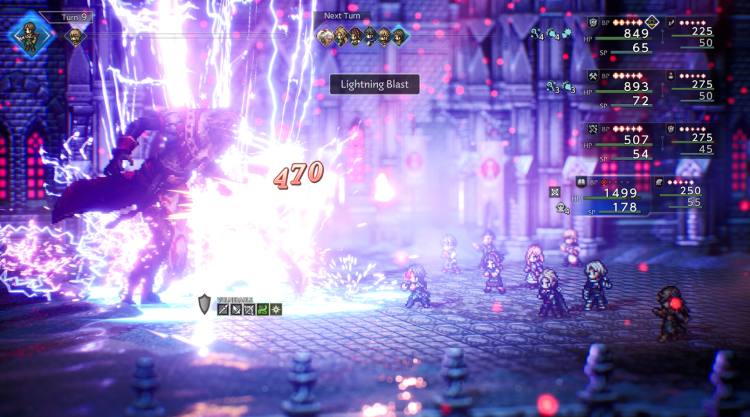
Combat remains one of the series’ defining strengths. The Boost and Break systems return, building on elemental weaknesses and turn order manipulation. While discovering enemy vulnerabilities can feel repetitive, mastery brings a steady rhythm of planning and execution. Boost points accumulate independently for each character, allowing for frequent high-impact turns. Bosses demand precision, often punishing mistakes with party wipes or debilitating status effects. Success requires foresight rather than grinding.
“This series has continually set a high bar for turn-based combat systems.”— Michael Higham
Party structure has also changed. Eight characters are active at once, split between front and back rows. This creates a broader tactical field but reduces individual progression depth. Most characters advance through a single Job, limiting specialization. Skill mastery partially offsets this by allowing abilities to transfer between characters, but the trade-off remains. The system favors adaptability and tempo over personalization, pushing combat toward constant engagement rather than careful build crafting.
Beyond combat, Octopath Traveler 0 introduces a town-building system tied to Wishvale’s reconstruction. Materials gathered through normal play allow players to construct homes, shops, and facilities on a grid-based layout. The system is simple, but its effects are practical. Shops offer discounts, materials generate passively, and inactive party members gain experience. As the story advances, rebuilding Wishvale becomes less optional, both mechanically and thematically. The town’s growth mirrors the narrative’s focus on recovery and collective effort.
Music plays a critical role throughout. Composer Yasunori Nishiki’s score blends orchestral rock, choir-backed battle themes, and restrained town motifs. Boss tracks emphasize momentum and scale, while quieter pieces underscore loss and reflection. Musical callbacks reinforce story beats without repetition, allowing themes to evolve alongside the narrative. Several late-game encounters rely on music as much as mechanics to convey their emotional weight.
“Yasunori Nishiki deserves to be mentioned alongside the GOATs.”— Michael Higham
Octopath Traveler 0 is not consistently great. It's early hours falter, its character roster spreads thin, and its politics occasionally veer into simplification. Yet the game’s ambition lies in how those flaws are absorbed by its conclusion. The final act does not excuse the rough edges, but it contextualizes them. What remains is an RPG that understands the value of accumulation. Its strongest moments depend entirely on what came before, and without that foundation, they would not land. This is a game that insists on endurance, and for those who commit, it delivers a rare sense of completion.


 Successfully copied... Thank you for sharing our content!:

Comments