





Fishbowl Explores Grief And Connection In A Time Of Isolation
Fishbowl is a slice-of-life story that places the player in the early days of the COVID pandemic. The narrative follows Alo, a young woman navigating her first month in a new city while grieving the recent death of her grandmother. Players guide her through this period of isolation, helping her find solace through daily tasks, self-care, and processing her past.
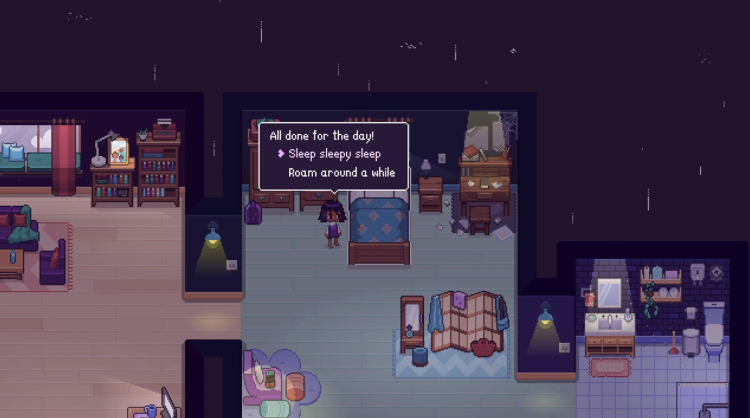
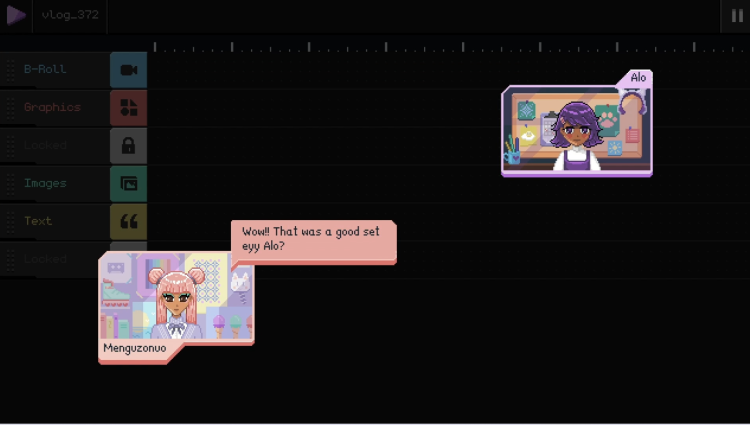
The game is slated for an April release on PlayStation consoles and Steam, and this Fishbowl pre-view comes from an updated demo that is available now. It is a story of finding connection when you are physically alone. Alo spends her days working, which takes the form of a video editing minigame, and connects with friends and family through video calls. I see this as a direct reflection of a shared global experience.
A central element of the story is Alo’s relationship with Paplet, a wind-up fish toy from her childhood. After receiving it in a care package from her grandmother, she discovers she can communicate with the toy, which opens a window into her memories. After playing through the new demo that covers Alo's first three days in the game, Polygon says the story blends the mundane with a touch of magical realism. The developers, two-person team imissmyfriends.studio, cite influences from Studio Ghibli's film Only Yesterday to the game To the Moon. The game’s title itself originated from an art project about isolation that developer Rhea Gupte created in 2020. The character of Paplet was inspired by swimming fish toys that co-developer Prateek Saxena used to purchase for his father. The project began during the pandemic as a response to the period.
“We wanted to create something that, even during a very melancholic and dark time, could be a ray of hope.”
— Rhea Gupte
The developers aimed for the game to provide a sense of community and show players that small actions can help them get through difficult days, even in isolation. Gupte and Saxena worked on Fishbowl part-time for two and a half years before committing to full-time development after the game resonated with people online. Comments on an original demo showed its impact reached players from various backgrounds, beyond the specific Indian cultural experiences that informed parts of the game’s design.
“I have a post-it on my desk that says that you have to feel like you've given it your all when the game releases. There should be nothing left in you, and that's literally what we've tried to do with Fishbowl.”
— Rhea Gupte
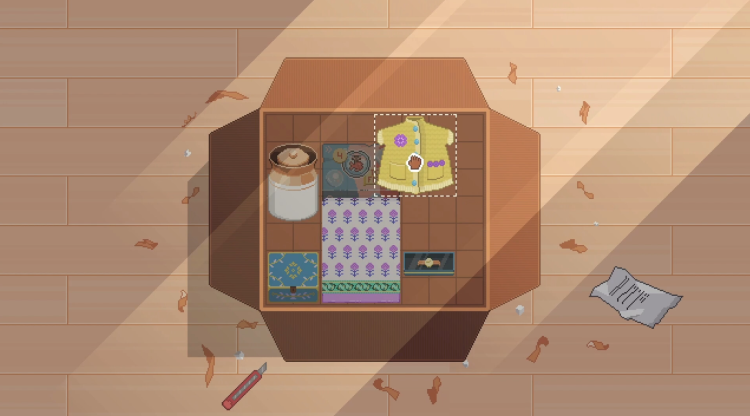
Grief is a persistent theme. The game starts one month after Alo’s grandmother, Jaja, has passed away. When her mother decides to throw away Jaja’s old things for closure, Alo steps in to sort through them herself. These boxes fill her apartment, each one acting as a time capsule of her past. This mechanic involves solving small puzzles to unpack each box, rather than simply placing items. While the game is set mostly within Alo’s apartment, the narrative also progresses through dreamscapes and memories. A dream sequence in the demo focuses on her final memories of her grandmother and a childhood passion for writing poetry that faded over time. Gupte explained that dreams are not a nightly occurrence but are triggered by specific memories uncovered throughout the game.
Paplet, the toy Alo carried everywhere as a child, is the key to these memories. The toy helps her revisit moments from her past, like picking flowers for her grandmother. These unlocked memories also encourage Alo to begin writing poetry again.
“She's still not comfortable with doing it, but it comes back over and over again as a theme in the game.”
— Prateek Saxena
The theme of poetry was impactful. Flashbacks show her family’s pride in her writing, while other scenes depict crumpled stanzas on a hospital floor, conveying the pain of that time. Watching her rediscover this part of herself is a core part of the experience. The developers have intentionally hidden some of the game's best parts, encouraging players to explore. Tiny discoveries are a constant feature. I do believe this will encourage players to explore every corner of the world. Even small actions, like eating a microwave samosa, can affect Alo's mood, which is displayed as a meter above her head.
The daily choices, such as doing the dishes or taking a shower, can feel challenging, reflecting struggles with mental health. The mood meter serves as both a motivation for Alo and a tracker of her well-being.
“We tried to relate to a very real feeling. If you're feeling low, it's so much harder to do the thing that's going to make you feel better.”
— Rhea Gupte
Alo's mood directly influences the gameplay. It determines the dialogue options available in conversations. On a day when her mood is low, her responses might be pessimistic. On a good day, she might speak more positively about her accomplishments. This mechanic affects the level of intimacy she develops with other characters, which in turn shapes the game’s ending. Saxena noted that there are no "bad" endings, only outcomes that are fitting for the choices made during the playthrough. A single playthrough is estimated to take between seven and fourteen hours. The game presents itself as an act of sincerity in a world that can feel weary.
“It still feels so surreal that we've made this, and it's going to go out in the world soon and people will have the chance to play it. I hope that they see all the little bits and pieces that we put in.”
— Rhea Gupte


 Successfully copied... Thank you for sharing our content!:



5% deposit bonus up to 100 gems

a free Gift Case





EGAMERSW - get 11% Deposit Bonus + Bonus Wheel free spin


EXTRA 10% DEPOSIT BONUS + free 2 spins

3 Free Cases + 100% up to 100 Coins on First Deposit


5 Free Cases, Daily FREE & Welcome Bonuses up to 35%

3 free cases and a 5% bonus added to all cash deposits.

+5% to deposit




Comments