



Tim Cain On Troika Games, Ambition, And Flawed Masterpieces
 Games
Games Patches
Fallout designer Tim Cain has revisited the turbulent development history of Troika Games, outlining how ambition, limited resources, and internal habits shaped three RPGs that shipped in unstable condition but later earned lasting reputations.
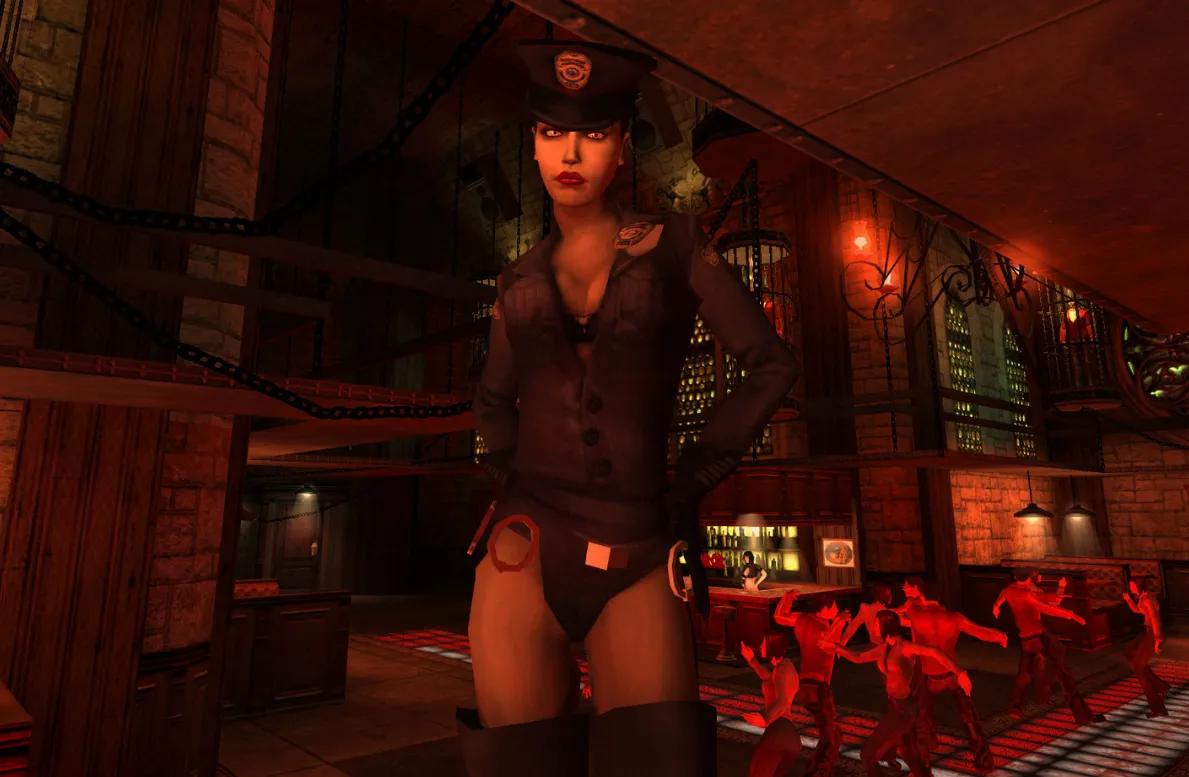
In a recent vlog on his YouTube channel, Cain spoke at length about Arcanum, The Temple of Elemental Evil, and the original Vampire: The Masquerade - Bloodlines, arguing that their flaws were the result of unchecked scope rather than neglect or indifference to quality.
Cain, who led development on the first Fallout before leaving Interplay, co-founded Troika with fellow Fallout veterans Jason Anderson and Leonard Boyarsky. The studio released only three games between 2001 and 2004 before closing. All three launched with serious technical issues. Over time, each gained a committed following, supported by community patches and critical reassessment. Bloodlines, in particular, has become a reference point for narrative-driven RPG design despite its initial reception.
In the video, Cain framed the studio’s problems as structural. Troika was small, underfunded, and aggressive in its design goals. Each project accumulated features faster than the team could stabilize them. Cain described a development culture that favored inclusion over restraint, even when schedules tightened and tools were not ready.
“We had a lot of feature ideas, we did not edit ourselves at all, and we were a small team,” Cain said.
“Every time Troika went to make a game, whether it was Arcanum, or Temple of Elemental Evil, or Bloodlines, there were just so many things we wanted to do. We had so many ideas.”— Tim Cain
That approach extended beyond gameplay concepts into production infrastructure. Cain said the team often rushed to build internal tools to support new mechanics, creating fragile systems that compounded problems later in development. As a result, bugs were not isolated defects but the product of layered complexity.
“We tended to make those features quickly. Even worse, we made the tools to put in the content for those features quickly,” Cain said.
“So not only the end result, but the tools to make the end result were buggy and flawed. Having so many possible options for gameplay meant unintended interactions.”— Tim Cain
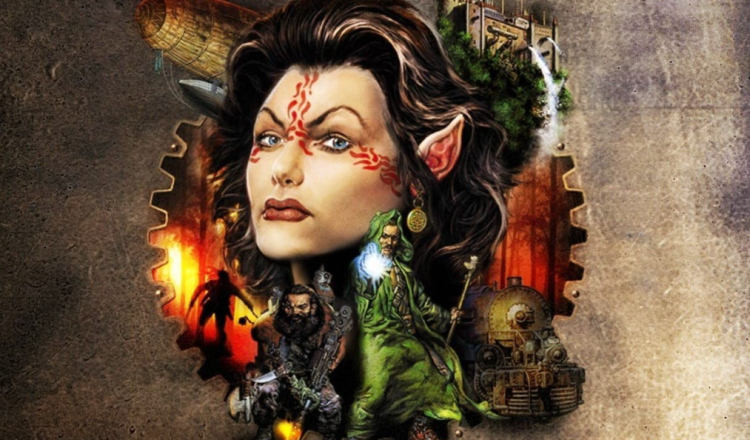
Arcanum exemplified this design philosophy. The game allowed players to resolve quests through combat, theft, persuasion, or pacifism, often without clear guardrails. It supported crafting systems, reactive newspapers, a spell that allowed players to speak with any dead NPC, and a fully traversable world map generated between major locations. Cain acknowledged that much of it barely held together at launch, with stability improving significantly only after years of community work, including Drog Blacktooth's unofficial patch.
Cain attributed these decisions partly to inexperience. He said he underestimated the cost of maintaining such systems and overestimated how much a small team could realistically support. Budgets were tight, schedules were fixed, and compromises often came too late.
“We make this content as quickly as possible to try and fit it into the schedule we made,” Cain said.
“And the schedule was what it was because I wasn’t a very good businessman and the budgets weren’t very big.”— Tim Cain
He also described inconsistencies in how developers used Troika’s proprietary tools. Without strong internal documentation or standardized practices, team members sometimes wrote custom solutions for problems that existing systems could already solve. Cain compared it to using the wrong tool simply because no one knew a better one existed.
By the time Troika reached The Temple of Elemental Evil, the team attempted to narrow scope. The result was a game more focused than Arcanum but still demanding. Its strict implementation of Dungeons & Dragons 3.5 Edition rules added complexity that made testing and balance difficult. Bloodlines presented a different challenge. Troika built it on Valve’s Source engine while the engine itself was still evolving. At the same time, the studio aimed for full voice acting and dense narrative design, without relying on shortcuts like reused alien language sound files common in other RPGs of the era.
“Tons of content means tons of bugs,” Cain said.
“You’d think we would have learned, but every time we learned the wrong lesson.”— Tim Cain
Cain stressed that the instability was not accidental. He accepted responsibility and said the video was meant to explain, not excuse, Troika’s output. He also noted that RPGs often ship rough, especially those built around player choice and systemic interaction. For Troika, reducing ambition to chase polish would have undermined the studio’s identity.
The legacy of those decisions remains visible. Troika’s games continue to attract new players, often through patched versions that stabilize but do not simplify their design. Cain acknowledged that the label many fans adopted over time fits better than “buggy.”
“Or, as people called them, flawed masterpieces,” he said.
Read also, Tim Cain recently addressed Fallout fan theories and canon disputes in another video, drawing a clear boundary between community interpretation and the authority of the franchise’s current rights holder.


 Successfully copied... Thank you for sharing our content!:



5% deposit bonus up to 100 gems

a free Gift Case




EGAMERSW - get 11% Deposit Bonus + Bonus Wheel free spin


EXTRA 10% DEPOSIT BONUS + free 2 spins

3 Free Cases + 100% up to 100 Coins on First Deposit


5 Free Cases, Daily FREE & Welcome Bonuses up to 35%

3 free cases and a 5% bonus added to all cash deposits.

+5% to deposit




Comments