




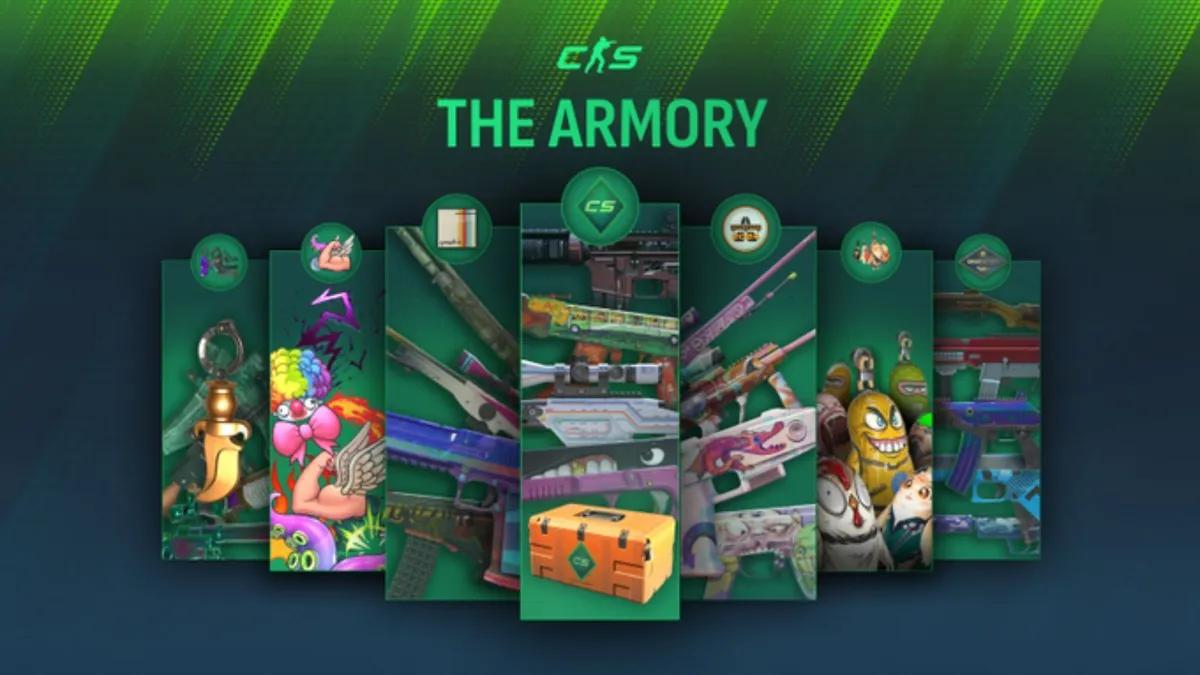
Valve Faces Growing Legal Pressure as Lawsuit Expands to Include the Arsenal Pass
 Valve
ValveRecent developments suggest that legal pressure around Valve continues to grow. What initially started as a lawsuitfocused mainly on in-game cases and their mechanics has now reportedly expanded to include another monetization feature - the Arsenal Pass connected to Counter-Strike 2.
Lawsuit Originally Focused on Loot Cases
At first, the lawsuit primarily revolved around the controversial case-opening system in Counter-Strike. These cases allow players to obtain cosmetic items through randomized drops, a mechanicthatcriticshave long compared to gambling. Over the years, discussions around whether these systems should be regulated more strictly have intensified across multiple countries.
Because the case-opening system involves players purchasing keys to unlock randomized rewards, some critics argue that the mechanic resembles a form of digital gambling. This has led to several legal challenges and investigations targeting companies that use similar systems in their games.

The Arsenal Pass Is Now Part of the Case
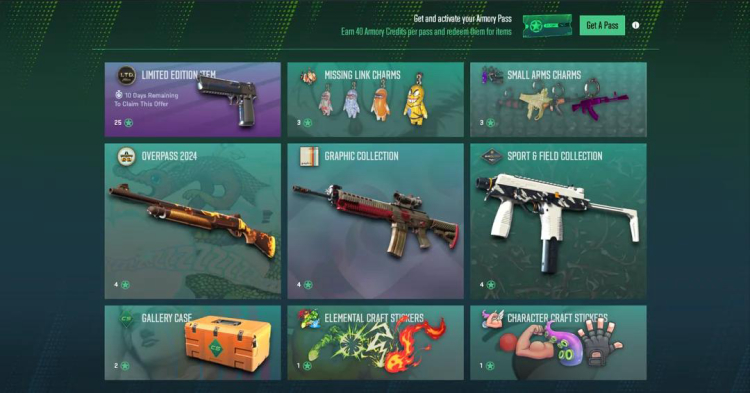
According to recent reports, the lawsuit has now been expanded to include the Arsenal Pass, a seasonal progression system introduced in Counter-Strike. Unlike cases, the pass provides players with structured rewards as they complete challenges and progress through different tiers.
However, critics claim that certain elements tied to the pass may still connect to randomized item systems or encourage additional spending tied to in-game economies. Because of this, legal arguments are now examining whether the broader ecosystem of cosmetic items and monetization mechanics within Counter-Strike could fall under gambling-related regulations.
This expansion of the lawsuit significantly widens the scope of the legal debate surrounding Valve’s monetization practices.
Growing Scrutiny Around Gaming Monetization
The situation reflects a wider trend across the gaming industry, where regulators and courts are increasingly examining loot boxes, digital item trading, and other monetization mechanics. Several governments and regulatory bodies have already begun investigating whether certain in-game systems should be treated similarly to gambling.
For companies like Valve, whose digital marketplace and item economy have become central parts of games like Counter-Strike, these legal discussions could have serious long-term implications.
What This Could Mean for the Future
While the legal process is still ongoing and no final decisions have been made, the expansion of the lawsuit suggests that scrutiny around Valve’s systems is increasing. If courts eventually decide that certain mechanics fall under gambling regulations, it could potentially force changes to how cases, passes, and digital item systems work.
For now, the gaming community continues to watch the situation closely. Counter-Strike remains one of the most popular competitive shooters in the world, but the outcome of these legal challenges could influence not only Valve’s future decisions but also the wider industry’s approach to monetization systems.


 Successfully copied... Thank you for sharing our content!:



5% deposit bonus up to 100 gems

a free Gift Case





EGAMERSW - get 11% Deposit Bonus + Bonus Wheel free spin


EXTRA 10% DEPOSIT BONUS + free 2 spins

3 Free Cases + 100% up to 100 Coins on First Deposit


5 Free Cases, Daily FREE & Welcome Bonuses up to 35%

3 free cases and a 5% bonus added to all cash deposits.

+5% to deposit




Comments