




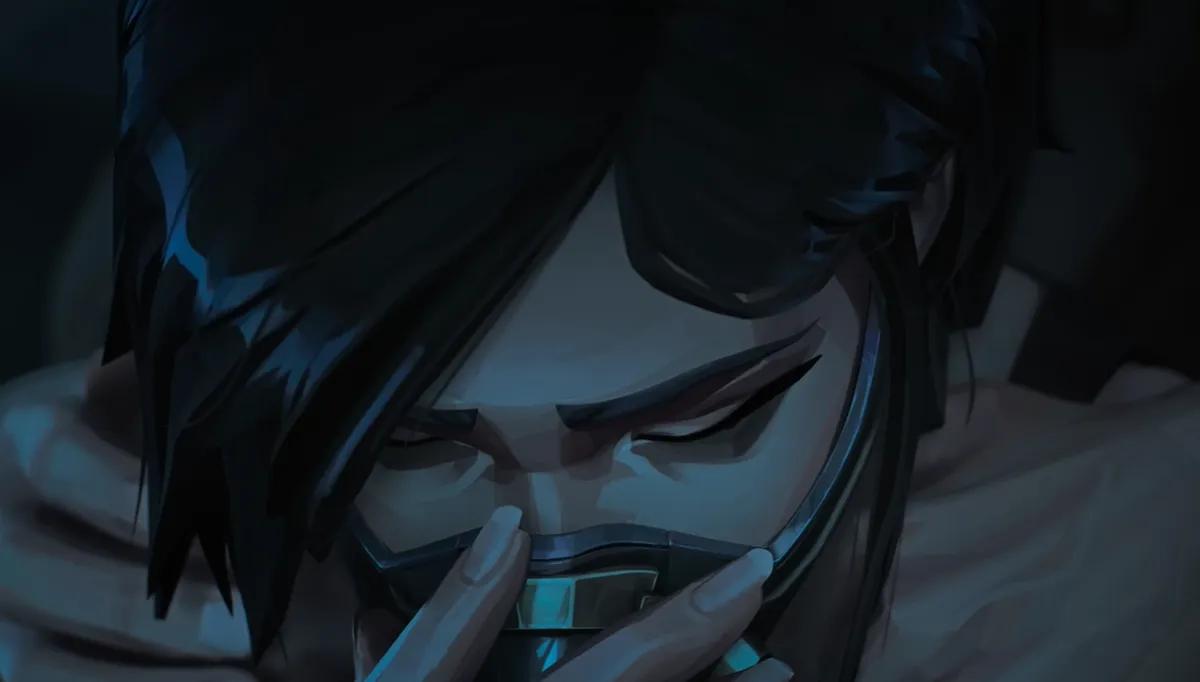
Valorant Lore Feels Ready For Television After Riot’s Latest Cinematic
 Series
 Others
I watched Riot Games open 2026 with another Valorant cinematic, and it no longer plays like marketing. It plays like the opening act of something larger. Riot keeps releasing short-form lore pieces that feel structured, deliberate, and emotionally complete. Each one answers a few questions while raising several more. At this point, these releases resemble proof-of-concept episodes rather than trailers for skins or events. The gap between what Valorant shows and what it could show keeps shrinking.
ScreenRant says the newest cinematic, “Welcome to My World,” lands closer to a pilot than a recap. The focus is narrow, character-driven, and anchored in consequence. Omega Chamber is left critically injured, and the story doesn’t treat it as a plot device. It treats it as loss. Viper’s response avoids speeches or exposition. Her grief comes through physical tension, hesitation, and anger. Riot lets the animation carry the weight, trusting the audience to read it. That restraint makes the moment stick.
The decision to center Viper matters. Her bond with Chamber exists only on Omega Earth, reinforcing how the multiverse structure actually works in practice. These characters share faces and abilities, but their lives diverge sharply depending on the world. That single concept has enough depth to sustain multiple seasons of television. The cinematic doesn’t explain it outright. It shows the difference and moves on, confident viewers will follow.
Sage’s condition adds another layer. Both Alpha and Omega versions now show signs of physical deterioration tied to their powers. Healing is no longer infinite or clean. It extracts a cost. That detail reframes Sage from a safety net into a ticking clock. In a longer format, that idea could evolve slowly, episode by episode, rather than being hinted at once and left hanging for months.
Watching these cinematics back-to-back makes the limits of the format obvious. Five or six minutes can introduce ideas, but it can’t let them breathe. Emotional arcs get compressed. Moral shifts happen off-screen. A Valorant TV show would allow those moments to unfold naturally, without forcing players to stitch together meaning from scattered releases.
Omega Earth stands out as the most compelling force in the story so far. It isn’t framed as evil. It’s framed as desperate. The world is collapsing under radianite scarcity, and survival demands choices that would look unforgivable from the outside. Scenes like Yoru saving children while failing to save their mother underline that reality. Heroes act with good intent and still fail. That tension is where serialized drama thrives.
Radianite exposure among civilians raises unsettling questions. If brief contact leaves visible damage, what does long-term exposure do to agents who rely on it daily? Characters like Neon, Yoru, and Sage become case studies in delayed consequences rather than power fantasies. A television format could track those effects over time, letting abilities evolve from spectacle into burden.
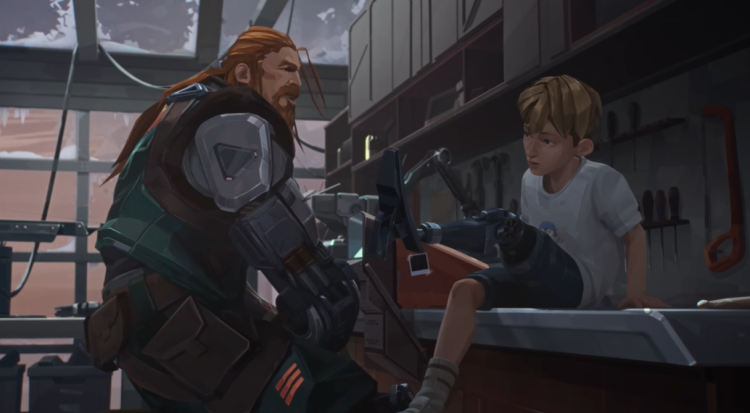
Small background moments do quiet work. Breach crafting prosthetics for injured children suggests a society adapting to permanent crisis. These details pass quickly in cinematics, but they hint at daily life under constant threat. Television handles that kind of worldbuilding better than isolated shorts ever could.
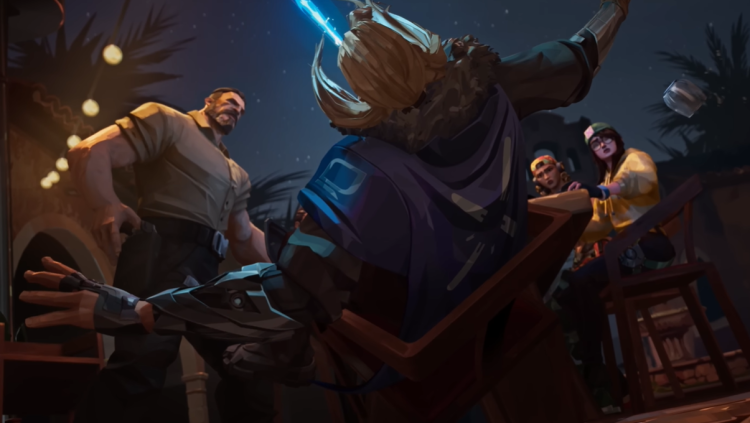
The Alpha versus Omega conflict gains weight when mirrored characters clash. The moment where both versions of Sova blind each other stands out. It isn’t just shock. It strips both of identity and usefulness in a single act. Pride, loyalty, and self-worth collapse at once. That kind of symmetry feels designed for long-form storytelling, where consequences don’t reset after the credits roll.
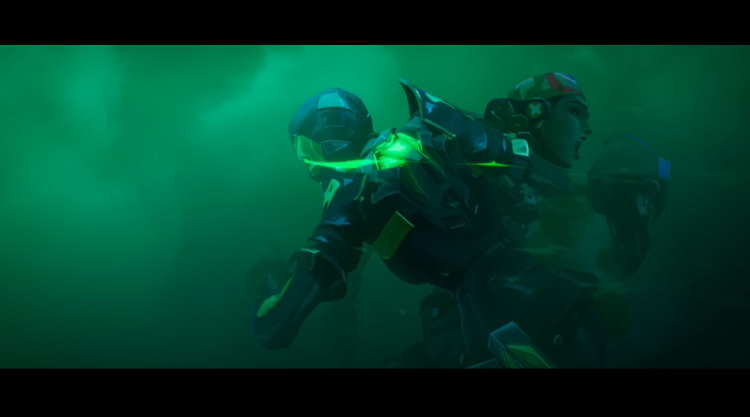
Viper’s assassination of Omega Brimstone marks a turning point. The lack of protest from her team matters as much as the act itself. Silence becomes consent. Leadership fractures without a speech explaining it. In a series, that scene would reshape alliances for an entire season. Here, it flashes by, powerful but fleeting.
What follows feels inevitable rather than abrupt. The war between worlds isn’t driven by ideology. It’s driven by grief and exhaustion. Viper isn’t pursuing justice. She’s chasing relief. Chamber’s presence haunting her during combat turns the conflict inward. She becomes both antagonist and victim, a role television handles well when given time.
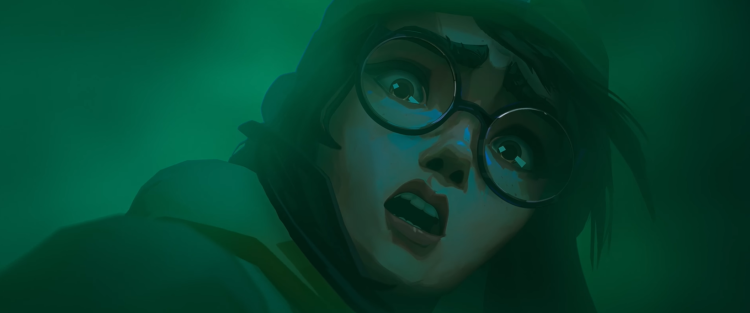
Beyond the cinematics, Valorant’s broader lore already supports a serialized structure. First Light, radianite exploitation, anti-radiant persecution, secret organizations, and future timelines form a dense foundation. The Valorant Protocol itself rivals established TV ensembles in size and diversity. Characters like Reyna operate on personal logic that clashes with institutional goals, setting up long-term tragedy rather than episodic resolution.
Arcane proved audiences will commit to complex game lore when characters feel grounded and consistent. Valorant already meets that standard. Broken commanders, healers paying physical costs, displaced soldiers, and civilians caught in the middle all exist in the canon. What’s missing isn’t material. It’s the commitment to let these stories unfold without severe time limits.
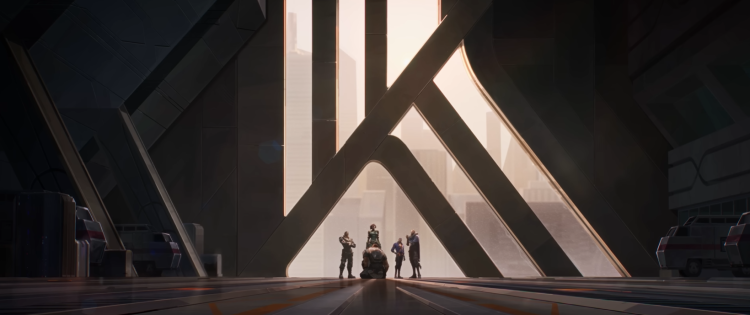
Every new cinematic makes the absence of a Valorant TV show more noticeable. Riot has the visual language, the narrative discipline, and a world built on consequence. The question no longer feels like whether Valorant could sustain a series. It feels like when Riot decides to stop treating these stories as fragments.
Read also, VALORANT opens 2026 with Patch 12.00, bringing replays, a rebuilt Breeze, tighter competitive security, and meaningful system changes that reshape how the game is played.


 Successfully copied... Thank you for sharing our content!:



5% deposit bonus up to 100 gems

a free Gift Case




EGAMERSW - get 11% Deposit Bonus + Bonus Wheel free spin


EXTRA 10% DEPOSIT BONUS + free 2 spins

3 Free Cases + 100% up to 100 Coins on First Deposit


5 Free Cases, Daily FREE & Welcome Bonuses up to 35%

3 free cases and a 5% bonus added to all cash deposits.

+5% to deposit




Comments