


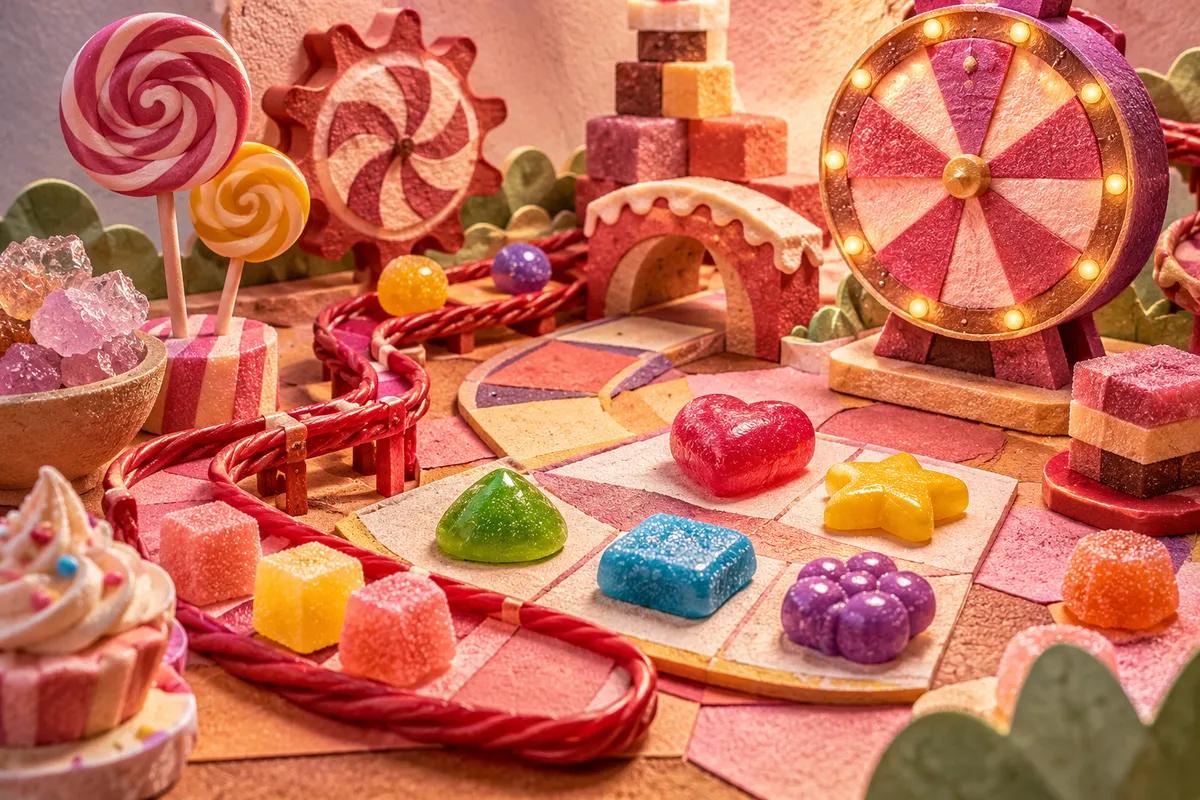
Why Candy-Themed Games Have Become a Distinct Genre in Digital Entertainment
The creation of candy-themed games has expanded well past the genre of puzzle games. Now, you can find these games across many different platforms, like mobile devices, browsers, and even casino gambling sites. Players have become adept at recognizing these games, regardless of the rules. Many game designers have come to recognize the visual linguistics of candy games. Use of an easily identifiable visual style has allowed these games to stand apart from the countless other games available.
One type of game that has embraced this colorful visual style is the online slot. Modern slot games combine bright graphics, playful sound effects, and creative mechanics to offer a more visually engaging experience than traditional slot machines. Players who want to explore this design without wagering real money can try the Sweet Bonanza 1000 demo. The demo version of the game lets players familiarize themselves with the game's mechanics and experience the game's graphic design, visual style, and symbol art. The demo version gives players a low-stakes environment to see how they would interact with the game as a slot machine.
How Candy Became a Gaming Theme
Easily recognizable shapes and colors made candy the perfect virtual game piece. Players could determine the strengths and weaknesses of each piece. Board sizes and complexity could increase. Instructions and strategies could be simplified with visual pieces and on-the-spot aids.
A Look That Works Across Devices
Candy designs easily transfer to multiple platforms. On smaller screens like phones, designs can focus on bold, large objects. Larger screens like tablets or displays can incorporate more detailed designs. Since players in Estonia can switch between the mobile and desktop versions of browsers, designs must accommodate both.
Designing simple, instantaneous feedback is always better than an elaborate, unrelated narrative. Sound effects and music can implement timing and structure to what would otherwise be mundane.
Many games hide what happens next with sound or graphics to create drama. Effects in Candy should celebrate the action but never obstruct what follows. Clear, quick effects don't need to be enigmatic.

What Makes the Genre Recognizable
There are signature design elements and habits of game design that composers of digital games repeat over time. Game makers’ habits and audiences’ expectations converge, and defining characteristics of genres emerge.
| Design feature | Common role in candy-themed games |
| Bright symbols | Make game objects easy to distinguish |
| Sweet-inspired backgrounds | Set a playful atmosphere |
| Clear animations | Show when an action has taken effect |
| Layered challenges | Give each stage a fresh objective |
Familiar Rules, Different Experiences
Candy worlds encompass many types of games. One type of game challenges the player to arrange items. Other games might reward player reflexes. Games of chance might use the same items and symbols as the arranging games and arcade games.
Those who prefer these types of games have noted:
- Items that are easily differentiated from one another.
- Sessions that are easily fit into larger windows of time.
- Diversified layouts.
- A variety of audio effects.
All of these aspects enable each game to quickly capture a player’s attention and reward that player with a positive and deeply layered gaming experience.
Why the Theme Appeals to Different Audiences
Candy imagery recalls childhood. This plays to people’s nostalgia and creates a positive user experience. This theme can also be used to create calm, relaxing experiences, or more challenging, time-restricted experiences.
Room for Creative Design
No obstacles limit the imagination of artists. So, what would stop an artist from drawing towers made of sugar or a candy river? Jelly can be drawn to represent various shapes and even behavior. It can be bounced, or it can even pop. Why can't it?
Of course, artists can benefit from the structure the format gives them. Studios have the freedom to create a stable aesthetic across multiple games. And while each game in a studio's catalog can be different, designers can give games a similar aesthetic using candy and other sweets.
The immersive format gives developers and artists opportunities to:
- Implement stylistic designs of characters and objects.
- Celebrate holiday themes in fantasy settings.
- Provide appealing and simple main menus.
- Maintain visual consistency during game updates.
Candy Games in Estonia's Digital Entertainment Mix
Estonian-speaking consumers can encounter various candy-themed experiences across gaming, app, and casino platforms. Although elements of gameplay can be the same across these platforms, the overall structure of a game developed for a specific platform can still remain the same.
Candy-art styles in gambling games provide a colorful background against which gambling game rules and mechanisms are implemented. To get a feel for the game, users can try out the free practice/demo mode.
Rules ultimately dictate the gameplay. However, visual and aural components of the game, as well as interaction design, affect the overall experience.
A Theme That Keeps Finding New Forms
Games featuring candy graphics have a major advantage over competitors. Candy games can utilize clear object collisions across multiple game platforms. With fair, liquid rules, players can follow the action. Artists enjoy candy game worlds because they have the freedom to create wild and wacky visuals. Easy to implement and instantly recognizable, it’s no surprise candy graphics have permeated digital gaming.


 Successfully copied... Thank you for sharing our content!:


Comments