




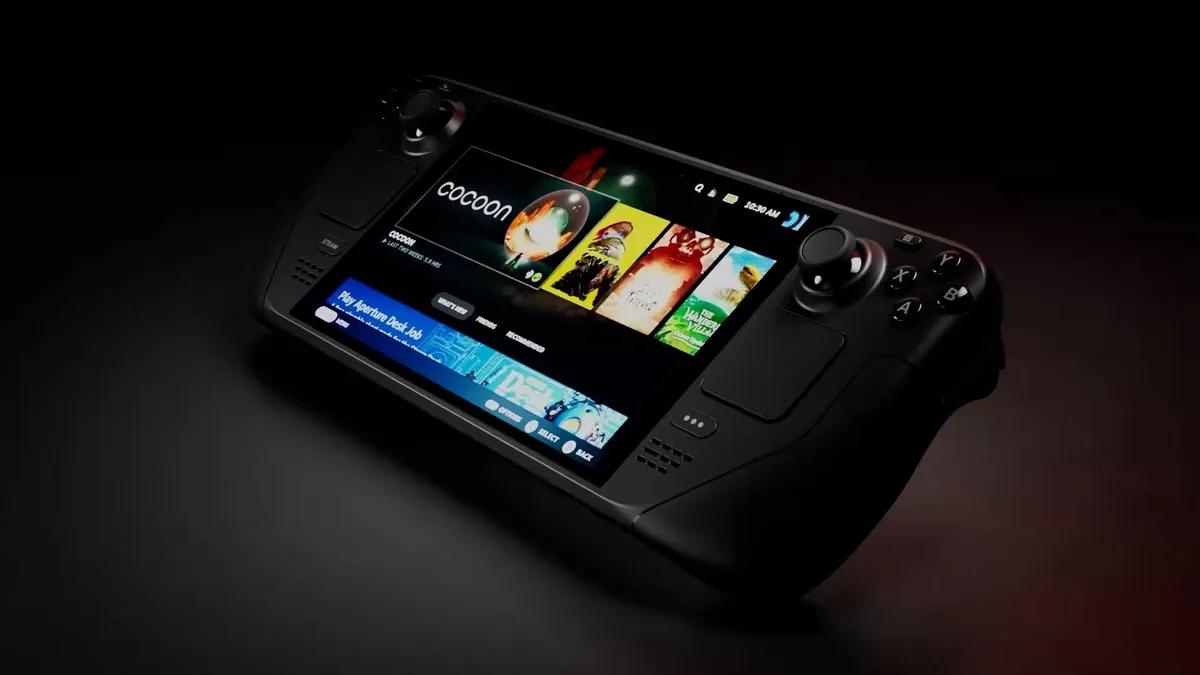
Steam Deck 2 Rumored for 2028 — Valve Prepares for Next-Gen Handheld Battle
 Valve
Valve Steam
SteamThe handheld gaming market could soon become far more competitive, as new rumors suggest Valve is targeting a 2028 release window for the Steam Deck 2. If true, this would place the device in direct competition with upcoming portable systems from Sony and Microsoft.
A Timeline That Makes Sense
While the 2028 date remains unconfirmed, it aligns with Valve’s previously stated approach. The company has made it clear that it is not interested in releasing minor upgrades. Instead, the goal is a true generational leap in performance—without sacrificing battery life compared to the current Steam Deck OLED.
At the moment, however, no available chip technology can deliver that balance of power and efficiency, which explains the longer wait.
A Very Different Market in 2028
When the original Steam Deck launched in 2022, it had little to no competition in the handheld PC space. That landscape has changed significantly.
Devices like the ROG Ally are already competing in the same segment, while rumors continue to point toward a PlayStation handheld arriving around 2027–2028. By then, the Nintendo Switch successor will also be well established.
If Steam Deck 2 does arrive in 2028, it will enter a market that is far more crowded and competitive than before.
⚠️ The 2028 release window is still speculative, and Valve has not made any official announcement.
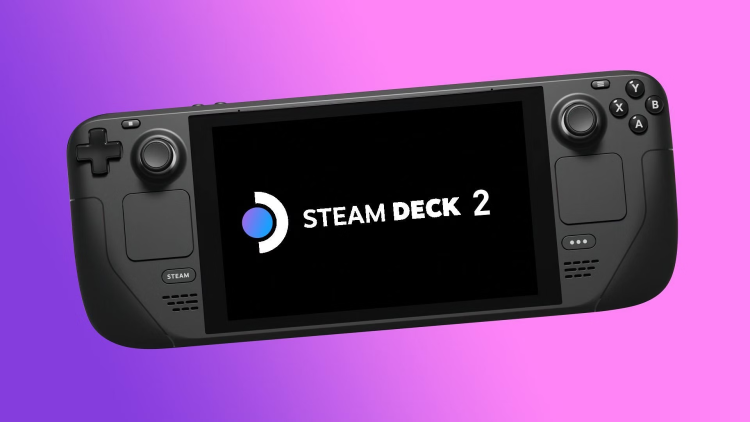
Why Steam Deck Still Stands Out
Despite growing competition, the original Steam Deck maintains a strong advantage: it was designed specifically for handheld gaming.
Features like trackpads, gyro controls, and reliable suspend/resume make it more user-friendly than many Windows-based alternatives. The Deck Verified system also helps players understand how well games will run, reducing the need for manual tweaks.
Beyond hardware, Valve has played a major role in advancing Linux gaming. SteamOS, combined with the Proton compatibility layer, allows many Windows games to run smoothly on Linux. Support for major anti-cheat systems and broader API compatibility has significantly improved the experience.
As a result, Linux usage on Steam has grown noticeably, with its share of users surpassing 5%, according to Valve’s latest hardware survey—largely driven by Steam Deck adoption.
The Long Wait Ahead
A 2028 launch means a long gap between hardware generations. In that time, competitors will refine their devices, improve ecosystems, and address early issues.
For Steam Deck 2 to succeed, it will need to deliver a meaningful upgrade, not just incremental improvements.
Valve’s history suggests this is exactly the plan. The company has already skipped several potential refresh cycles, waiting for technology to reach the right level of performance efficiency.
Looking ahead, much will depend on AMD’s next-generation APUs, which are expected to play a key role in powering the next Steam Deck.
Until then, the original device remains a strong contender—even years after its release.


 Successfully copied... Thank you for sharing our content!:



5% deposit bonus up to 100 gems

a free Gift Case





EGAMERSW - get 11% Deposit Bonus + Bonus Wheel free spin


EXTRA 10% DEPOSIT BONUS + free 2 spins

3 Free Cases + 100% up to 100 Coins on First Deposit


5 Free Cases, Daily FREE & Welcome Bonuses up to 35%

3 free cases and a 5% bonus added to all cash deposits.

+5% to deposit




Comments