




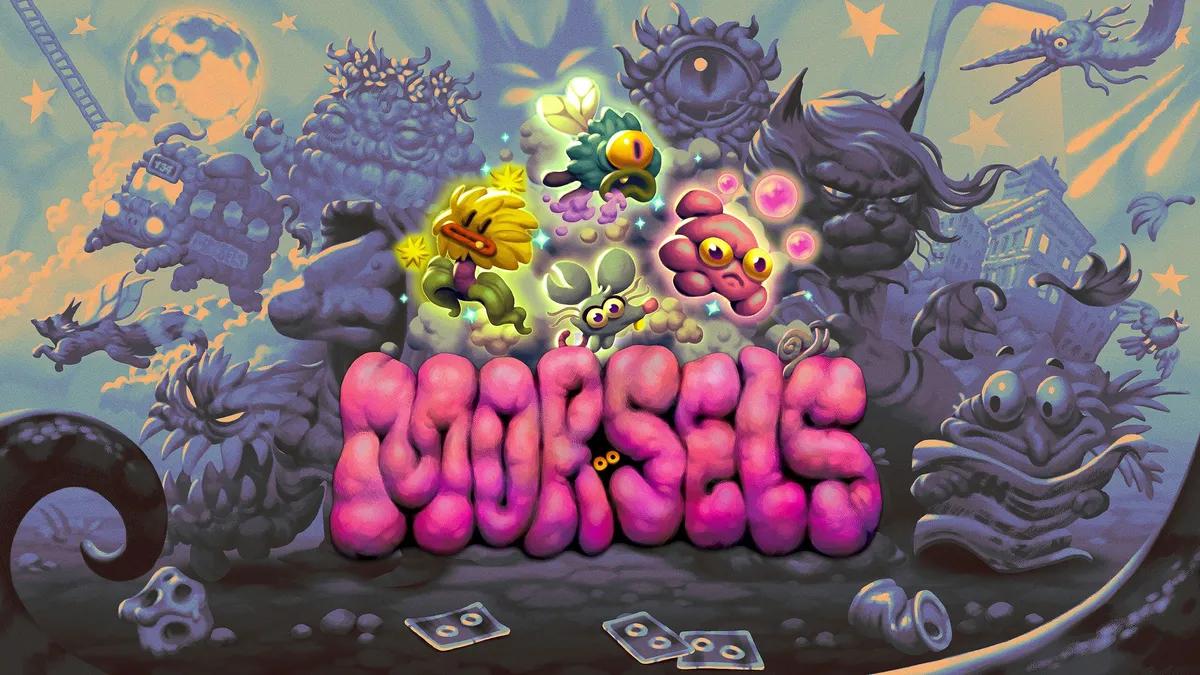
Morsels Review: Waste, Repetition, And Roguelike Motion
 Review
 Steam
Steam Games
GamesMorsels arrived on November 18, 2025, developed by Furcula and published by Annapurna Interactive for Windows on Steam and the Epic Games Store, priced at $16. The game presents itself as a 2D roguelike shmup built from refuse, both literal and conceptual. Each run begins with failure. A mouse protagonist is swallowed by a vast cat, dragged down a throat that functions as a vertical world map. The task is to fight back upward through a shifting series of levels, reassembled every attempt, using creatures formed from waste as weapons.
Thanks to Edwin Evans-Thirlwell’s review on Rock Paper Shotgun as a source, much of the language around Morsels comes from how its imagery and mechanics intertwine. The game is described there as a “heaping, triumphant landfill of a roguelike shmup,” a phrase that captures both its structure and intent. The landfill is not a background texture. It is the system. Each run sends the player through a dozen or so levels of tight corridors and small arenas, packed with hazards, enemies, and modifiers that reconfigure how space works.
The central conceit is immediate. The mouse is eaten at the start of every run, and death simply returns it to the cat’s gut. Progress is measured through repeated attempts, incremental upgrades, and growing familiarity with enemy behaviors. The throat becomes a cosmic drain, filled with roots, pipes, and industrial debris. Levels feel like compact labyrinths, usually six to twelve rooms long, built from locked walls, spinning blades, turrets, chains, and pools of corrosive matter.
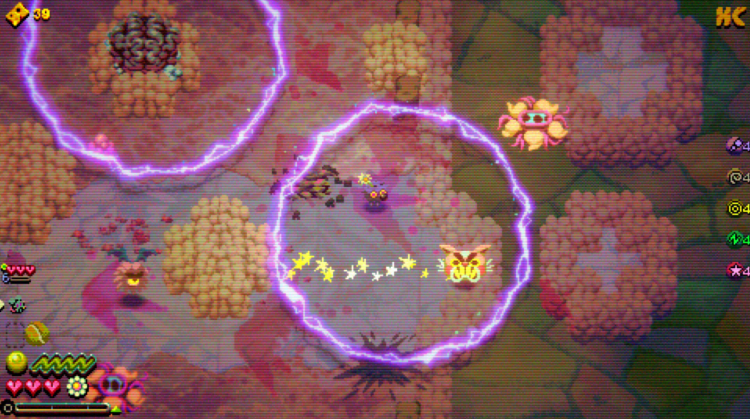
Combat operates as a bullet hell shooter, but with constant interference from the environment. Enemies rarely appear alone. Small creatures clog space while larger threats control movement. Bubs, soft enemies that slide through walls, become lethal when ignored. Spectral fairies drift through terrain and deflect attacks. A ghostly adder enters levels after an unpredictable delay, constricting routes and forcing movement, echoing the pressure mechanics of Spelunky.
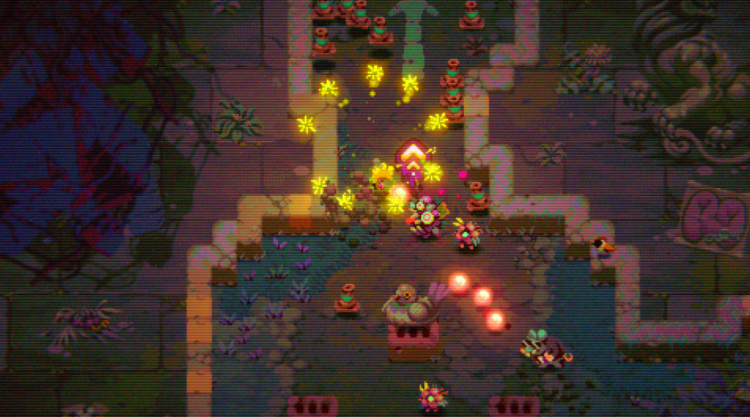
The game’s core system revolves around “Morsels,” the companions the mouse carries. Up to three can be equipped and swapped mid-run. Each is a pun-driven creature based on discarded objects or pollutants. Gumsel is built from chewing gum, firing bubbles that block or slow enemies. Zigsel resembles a burning cigarette, constantly at risk of igniting itself. Smugsel manifests as exhaust fumes that refuse to dissipate. These creatures function as weapons, passives, and liabilities. Their designs tie directly into how they behave under pressure.
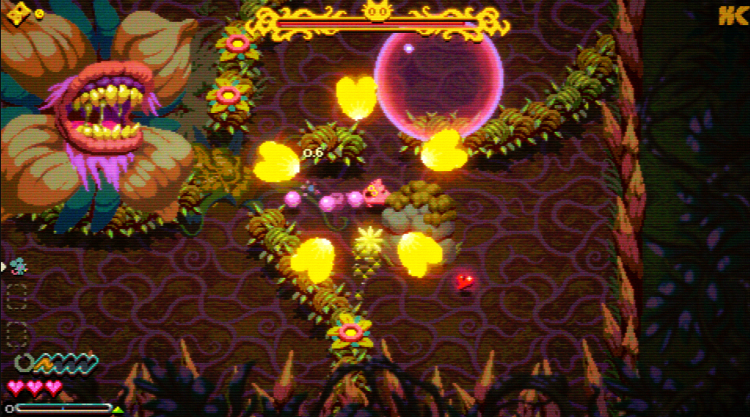
The review emphasizes that Morsels avoids explicit messaging, but it never detaches from the consequences of waste. Cigarette embers spread fire. Exhaust clings and suffocates. Gum persists and obstructs. These mechanics do not lecture. They accumulate. The player is forced to adapt to systems that behave the way their real-world counterparts do.
Between levels, the game introduces encounters that break pace without offering comfort. Gatekeepers appear as surreal figures: a beached whale trapped in plastic, children watching falling bombs on a screen, suited cats that transform into grotesque symbols. Bosses mutate on replay, offering alternate forms rather than fixed patterns. One early boss wears a square suit and exaggerated hair before transforming into a shambling cheeseburger. The satire is blunt, but brief.
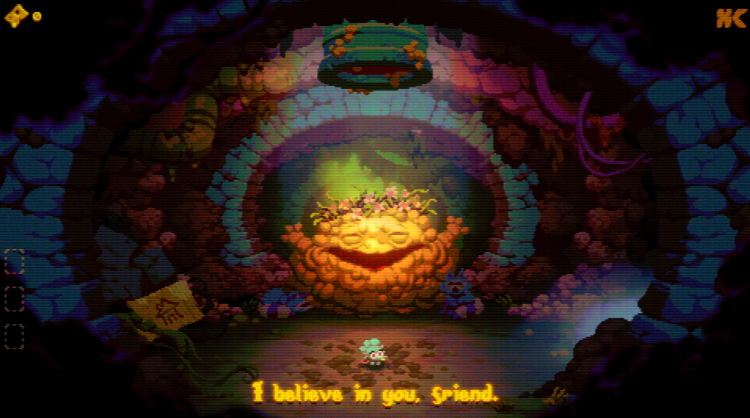
Despite the setting, the tone does not collapse into despair. The review highlights repeated moments of warmth and absurdity. A maternal fatberg sends the mouse off each run with a hug. A busker made of weeds plays near the starting ladder. Raccoons tap their feet or sleep nearby, reacting when struck. Birds perch on bricks, watching fights without intervention. Smash a birdcage and sparrows follow, firing automatically at enemies. These elements provide mechanical help while reinforcing the sense that life persists inside the mess.
Procedural generation shapes each run, but the layouts remain readable. Rooms link through corridors and choke points that reward movement rather than camping. Modifiers layer over this structure, triggering effects when damage is taken or dodges are used. Enemies collide with each other as often as with the player. Snails roll into flames and ignite other creatures. Chains swung during retreats knock out snipers. The review argues that these interactions feel alive, even when they are not deliberately authored.
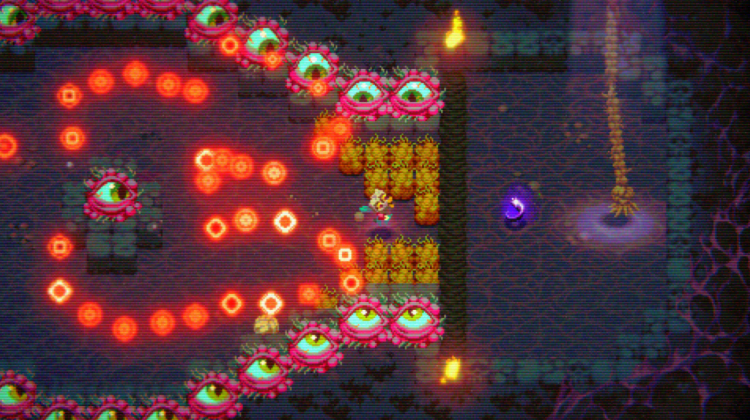
That sense of motion and collision leads to a broader reflection on matter itself. The game is fascinated with accumulation. Nothing disappears. Failure remakes material rather than erasing it. The mouse’s death returns it to the same system, slightly altered. The reviewer connects this approach to Phil Tippett’s stop-motion film Mad God, which also assembles meaning from discarded objects and obsessive collection.
“A lot of the time I had no idea what I was doing, working with a lot of chemicals and dyes where I was pouring one into the other,” Tippett said in an interview with Variety.
“I’m an obsessive collector of not anything worthwhile, just stuff. This film is like I invited stuff into this gravitational field that eventually condenses into something.”— Phil Tippett
The comparison extends beyond aesthetics. Morsels is built from remnants of older games and toys. Hidden minigames reference Snakes & Ladders, Frogger, pinball, and table hockey. The overall structure recalls the original Toejam & Earl, while the soundtrack pulls from off-kilter cartoon rhythms. These references are not presented as nostalgia pieces. They appear as fragments recovered from a pile, reworked to fit a new system.
Mad God takes place in what Tippett called “a memory or a ghost world of mankind,” describing a space shaped by what remains after people leave.
“It’s what our consciousness was left with after we left,” Tippett said.— Phil Tippett
Morsels operates in a similar register. Human presence is implied through waste, architecture, and media, but humans themselves are absent. Animals and refuse take their place. Even language becomes part of the system. The names of the Morsels are built from suffixes that invite invention, pushing players to think about how words are assembled and reused, often clumsily.
Mechanically, the game conforms to many genre expectations. It is highly replayable. There is permanent progression to soften repeated failure. Difficulty ramps in familiar arcs. Later biomes introduce hazards like open cloudscapes filled with fans and no railings. Upgrades allow time-slow effects, critical hits, and conditional triggers. None of this is hidden.
What distinguishes Morsels, according to the review, is not the strength of its roguelike scaffolding but the uncertainty layered over it. Some images remain unexplained even after hours of play. Certain encounters resist interpretation. The game does not resolve into a single message or theme. Instead, it presents a system that keeps generating friction.
In a market crowded with roguelikes, Morsels positions itself as a version that has soured, fermented, and thickened. It treats generators, modifiers, and procedural logic as compost rather than clean machinery. The result is not orderly, but it is deliberate. This Morsels review frames the game as a work that understands repetition not as polish, but as pressure applied until new shapes appear.
Morsels is available to play on PC through Steam.


 Successfully copied... Thank you for sharing our content!:



5% deposit bonus up to 100 gems

a free Gift Case





EGAMERSW - get 11% Deposit Bonus + Bonus Wheel free spin


EXTRA 10% DEPOSIT BONUS + free 2 spins

3 Free Cases + 100% up to 100 Coins on First Deposit


5 Free Cases, Daily FREE & Welcome Bonuses up to 35%

3 free cases and a 5% bonus added to all cash deposits.

+5% to deposit




Comments