




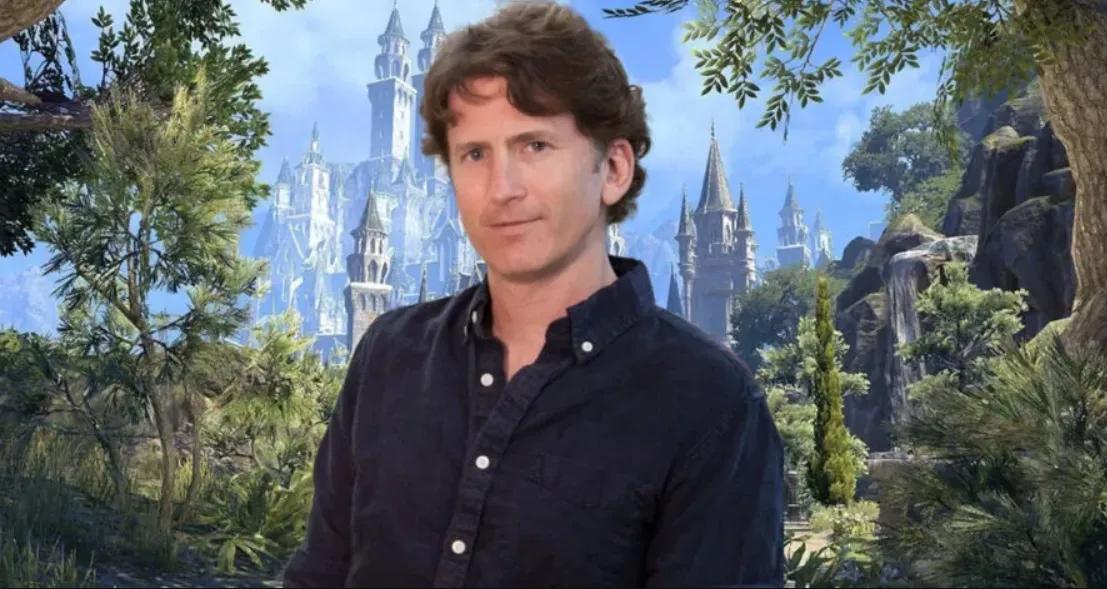
Todd Howard Breaks The Silence On The Next Elder Scrolls
 Games
GamesThe Elder Scrolls 6 remains one of the most anticipated games in the industry, and it has also been one of the quietest. First revealed in 2018, the project has stayed largely out of view while Bethesda focused on other releases.
The update emerged alongside discussions marking Bethesda’s history with Fallout, but attention quickly turned to the future of its flagship fantasy series. While no footage, release window, or concrete gameplay details were offered, the comments outline where the project stands internally and how the studio views the long road ahead.
That silence eased slightly this week, when senior studio leaders shared guarded but notable comments on the game’s progress during conversations tied to a major retrospective feature published by Game Informer.
Angela Browder, Bethesda’s Studio Director, framed The Elder Scrolls 6 as a product of technological change as much as creative ambition. Speaking about returning to the franchise after more than a decade, she emphasized how advances in hardware and development tools have reshaped what the team can attempt.
“It’s wonderful to be back in this Elder Scrolls universe. As the internet likes to tell us, it’s been a while. And the industry and the hardware and all of this have made such huge leaps and bounds since the last time we made one of these, like, I’m actively excited about what’s in front of us, because the opportunities, the hardware, the rendering, all of this stuff has just… the possibilities are crazy!”— Angela Browder
Browder contrasted the studio’s past work on Skyrim-era technology with what is now possible, pointing to how visual fidelity and systemic complexity have evolved across console generations. She described moments where current development milestones would have been unthinkable during earlier projects, suggesting that the team is consciously measuring progress against the franchise’s own history.
“I will be honest, for me, sometimes I see things that are happening, and I go, ‘Angela from Skyrim days could never have envisioned seeing this like this now,’ and that is a cool thing to be a part of.”— Angela Browder
Todd Howard, Director and Executive Producer at Bethesda, addressed the more practical question fans continue to ask: how far along the game actually is. His answer avoided specifics but confirmed that the bulk of the studio is now committed to the project.
“It’s progressing really well. The majority of the studio’s on VI, but I’ll say this: We always overlap. So, we’re very used to overlapping development.”— Todd Howard
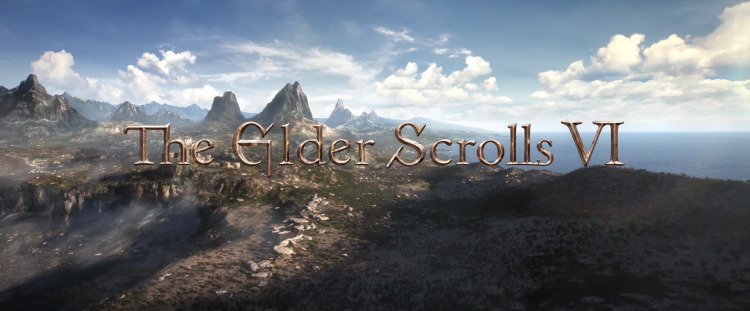
Howard explained that Bethesda’s workflow relies on long pre-production phases and overlapping teams, a structure designed to reduce risk rather than accelerate timelines. He acknowledged the desire for faster progress, both internally and externally, but framed patience as a deliberate choice rather than a delay.
“And we have long pre-productions on things so that we feel good about them. And it’s a process. We all wish it went a little bit faster – or a lot faster – but it’s a process that we want to get right.”— Todd Howard
Emil Pagliarulo, Studio Design Director, took a more direct approach to the tension between player expectations and development reality. He stated plainly that the game is moving forward, but rejected the idea that external pressure should dictate when it ships.
“I can say that it’s going! It’s funny, because the time pressure that players put on us, we don’t put on ourselves.”— Emil Pagliarulo
Pagliarulo pointed to recent high-profile delays across the industry as evidence that extended development cycles are not only common but necessary for projects of this scale. He referenced Rockstar’s decision to delay Grand Theft Auto as an example of choosing polish over speed.
“Games take a long time, and games get pushed all the time; GTA just got pushed again, which was the smartest thing they could do.”— Emil Pagliarulo
He framed the question of timing as a trade-off between immediacy and quality, suggesting that Bethesda’s priority is to avoid releasing a game that fails to meet expectations set by earlier entries in the series.
“So, what do fans really want? Do they want a game that comes out before it should and doesn’t meet their expectations? Or do they want the turkey that is in the oven for long enough to be delicious when it finally comes out of the oven?”— Emil Pagliarulo
Taken together, the comments reinforce what many observers already suspected. The Elder Scrolls 6 is firmly in development, but Bethesda is unwilling to rush a project meant to follow Skyrim, one of the most enduring RPGs ever released. The studio’s leadership appears aligned on a cautious, technology-driven approach, shaped by lessons learned over multiple console generations.
While the update stops well short of revealing when players might return to Tamriel, it does provide clarity on intent. Bethesda is building the game at its own pace, with most of its resources now committed, and with expectations shaped by both the past and the present of the industry. For fans waiting since 2018, it is not the announcement they want, but it is the clearest signal yet that the project is moving steadily forward.
Read also, Amazon has quietly removed an AI-generated recap of Fallout Season One from Prime Video after fans flagged multiple plot errors. The automated summary, designed to refresh viewers ahead of Season Two, misrepresented key timeline events and character motivations, drawing criticism over Amazon’s growing use of generative tools in its streaming features.


 Successfully copied... Thank you for sharing our content!:

Comments