




Dream League Season 28 is Built for Teams with Real Stamina
DreamLeague Season 28 kicks off in February and it’s the kind of event that quietly tells you who’s actually ready for the upcoming year of competitions. It’s online, it’s stacked, and it’s long enough that you can’t really fake form for very long. You might steal one series on confidence and surprise drafts, but to survive Dream League you need repeatable habits, stable lanes, clean midgame calls, and a draft pool that doesn’t collapse the second an opponent bans two comfort heroes.
There’s also a simple reason fans love Dream League, there’s always Dota. This format is basically a marathon where every day adds new information. You don’t have to guess what a team “might” look like after one match. You get to see how they react when they lose, how they draft when they’re tired, and whether they can still win when Plan A gets shut down.
The prize pool is attractive with 16 teams fighting for $1,000,000. On the other hand, Dream League is also a momentum builder. Staying for long in this competition molds how teams are priced and respected in the next tier one stretch, because the format is harsh.
Schedule and Structure
The tournament dates are Feb 16th to Mar 1st, 2026, split into Stage 1 (Feb 16-19), Stage 2 (Feb 20-27), and Playoffs (Feb 28-Mar 1).
Stage 1 is where things start to feel different. It’s two round robin groups of eight teams, and the matches are a two game series which could be a major factor because teams can get 1-1 splits that keep the table tight and can affect the esports betting guide and predictions. They don’t just win and move on. They’re constantly managing the standings. And only the top four in each group advance. Places five through eight are out, which is brutal for teams that have slow starts.
Stage 2 tightens the screws again. The eight remaining teams go into one round robin group, and now the matches move to best of three. The top two move on deeper into the championship, third and fourth go to the lower bracket, and fifth through eighth are eliminated. So if you want a top seed, you can’t coast.
This is why Dream League can be so interesting for bettors. Stage 1 gives you volume and patterns. Stage 2 tests whether those patterns hold when the series becomes longer and drafting becomes more targeted. It’s one of the better formats for separating flashy headliners from real value.
Who’s Actually in Dream League Season 28?
It’s an event presenting sixteen teams. The team list includes a mix of elite regulars and squads that earned their path through the qualifier system. The competition seems to be stiff since we have a lot of teams that are claiming that they can win this year. That’s when the group stage becomes dangerous, because favorites aren’t just farming unknown teams, but they’re facing other favorites early, and those matches can swing Dream League Season 28 betting odds hard.
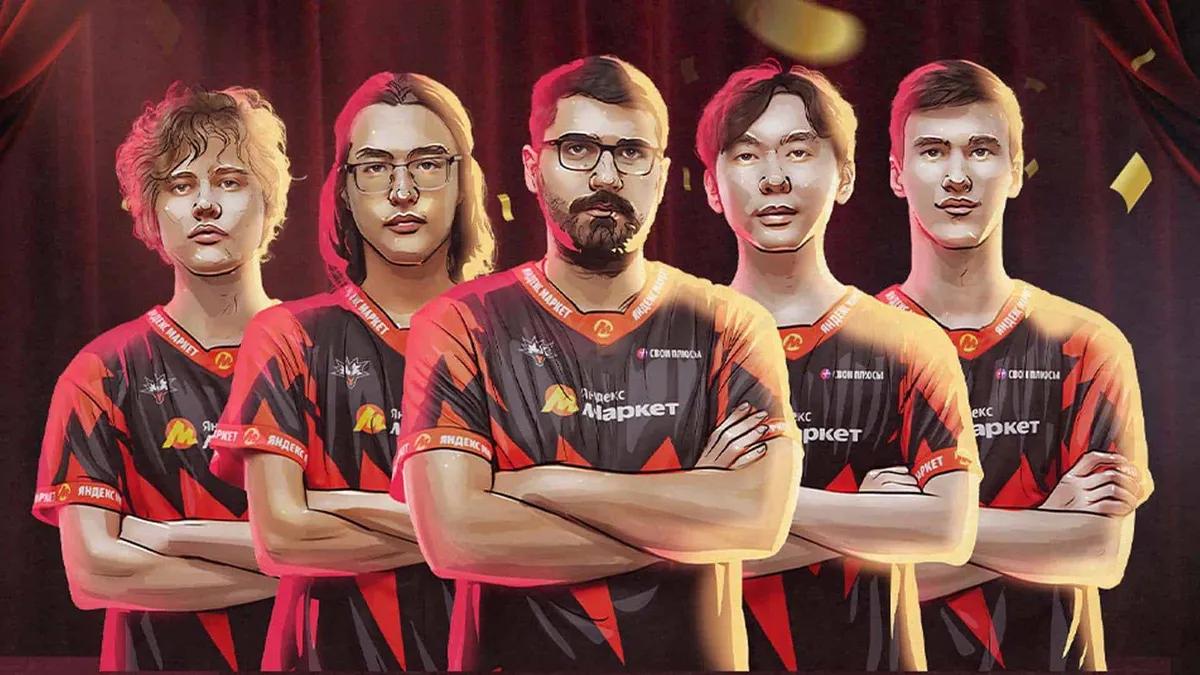
To have any idea of what we can expect this season, we need to look at what happened in the previous years. Team Yandex won Dream League Season 27, beating Team Spirit in the grand finale.
That one fact does two things for Season 28.
First, it puts Team Yandex into the “proven winner” category for this exact kind of tournament grind. Second, it creates a natural rivalry narrative with Spirit, because Spirit will enter the event feeling like they’ve got unfinished business. That emotional edge doesn’t decide games by itself, but it does shape how teams approach each other in drafts and series planning.
Team byTeam Look at Contenders
Dream League previews often list just a few favorites, which can be useful, but knowing why one team is considered to be a force to reckon with is much more helpful.
Team Yandex: the blueprint team right now
The big difference between “top team” and “Dream League winner” is usually discipline. Winners don’t just outplay people; they avoid unnecessary losses in group stages and keep their draft identity flexible. Team Yandex showed that they can close a long event and handle the final step.
For Season 28, the question isn’t “are they good?” The question is “how do teams try to break them?” After a title run, opponents are more likely to study each other's patterns.
We can expect targeted bans, early picks designed to steal comfort heroes and teams trying to force their way into awkward wins. The teams that are veterans at the competition have a clear advantage, and are favorites for the win even when their usual rhythm is disrupted.
Team Spirit: always a threat, especially in longer events

Spirit is one of those teams that can lose a series and still feel like the safest bet at Stake.com in the next round. That’s because their baseline decision making tends to hold up across patches and metas. They’re usually hard to draft against because they have multiple ways to play the map, and they always look to have control.
In the Dream League, teams don’t need to be perfect in the first days. They just need to keep collecting points, avoid spiraling, and then peak when Stage 2 and the playoffs begin.
Team Tundra: the “clean Dota wins long tournaments” pick
There’s a certain type of roster that thrives in Dream League: the team that doesn’t gift games away. Tundra fits that vibe more often than not. In an online setting with constant matches, teams that stay composed and don’t chase bad fights usually climb.
Tundra’s best version is ruthless. They turn small leads into map control and make the game feel smaller for the opponent. That’s hard to beat consistently, especially when fatigue kicks in.
PARIVISION, Xtreme Gaming, OG: the volatility cluster
These teams can be terrifying because they can outdraft others and explode a game early. But they can also be harder to price, because their results can swing depending on whether the draft lands and whether the tempo suits them.
That makes them very relevant for picks and predictions. In Dream League, a “volatile” team can still win the tournament if they stabilize by Stage 2. If they don’t, they can just as easily end up in a messy group table where one bad day pushes them toward elimination.
Team Liquid and the rest of the deep run crowd
Dream League is rarely won only by the first two favorites you name. The schedule is too long and the matchups are too varied. A team like Liquid can turn into a serious threat if they find the meta quickly and start stringing together clean series. The same is true for other strong squads in the field; if they hit the right rhythm early, they can turn Stage 1 into a comfortable runway instead of a survival fight.
Picks and Predictions for Season 28
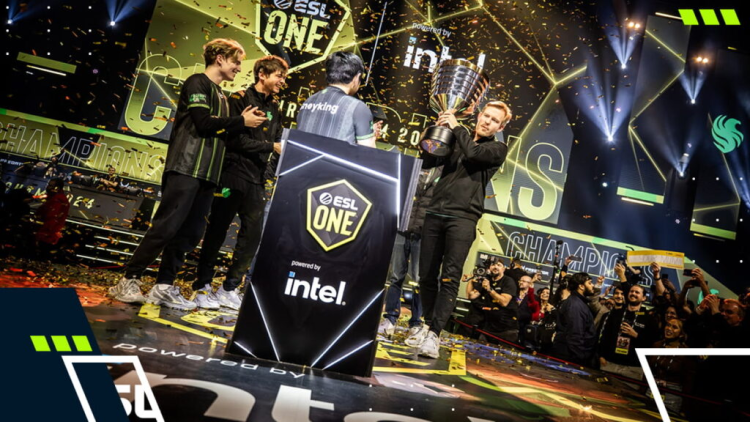
It’s tricky to make any predictions before Stage 1, but some teams impose themselves early on. They have two things in common, they can survive a long schedule, and they can win when opponents are targeting them.
The safest top tier is Team Yandex and Team Spirit, mainly because the Season 27 result gives you a direct proof point for both of them at this Dream League level. Yandex proved they could close. Spirit proved they belong in the final and can run the bracket.
Right behind them, team Tundra is in the “high probability deep run” bucket, because the Dream League structure rewards stable teams that don’t waste wins. And then Xtreme, PARIVISION, OG, Liquid are the teams that are most likely to spike into the title conversation if the meta fits them early and they avoid the classic Stage 1 trap of dropping too many 1-1s against teams they should beat.
The teams that are most likely to open as favorites are the ones the scene already treats as elite and proven in Dream League like formats, meaning Team Yandex (as reigning Dream League champ), Team Spirit (as runner up and perennial top team), and then a small cluster of highly respected teams like Tundra and the strongest “meta dependent” threats.
Once markets go live, the best way to read movement isn’t to obsess over one number. It’s to watch which teams shorten after Stage 1 because they look stable, and which teams drift because their drafts are narrow or they’re dropping points in the “should win” series. Dream League punishes that more than most events.
If you’re looking for slightly spicier picks, the team to watch for the “quiet rise” is whichever roster looks most stable in the first two days of Stage 1. The Dream League often rewards the team that doesn’t look flashy but keeps winning 2-0 and 1-1 in the right spots, because that’s how they avoid the elimination zone.
A Simple Betting Mindset for This Tournament
Dream League is long enough that you don’t have to rush.
If you like outright bets, the smarter play is often to wait until Stage 1 gives you real draft and form signals. A favorite that starts slow sometimes becomes a better value than it was pre event. On the other hand, a team that starts 6-0 in maps can become overpriced if their wins came from opponents who were clearly struggling.
If you prefer match betting, Stage 1 is where you’ll often find the best real value because the format invites 1-1 splits and experimentation. Stage 2 is where prices tend to get sharper, because best of three forces more adaptation.
Final take on Dream League Season 28
Dream League Season 28 is a long, high signal tournament, and the official structure (two groups into an eight team Stage 2 into playoffs) is designed to reward teams that can stay sharp for two full weeks.
It’s one of the rare tier one events that gives you enough matches to trust what you’re seeing. A short LAN can be decided by one great day, one lucky bracket, or one opponent collapsing. Dream League is more like a stress test. The schedule forces teams to win in different ways: early consistency in two game series, then deeper adaptation in best of threes, then nerves in the bracket. That’s why it shapes reputations for months after, teams don’t just “place well”, they show whether their drafts hold up, whether their shot calling stays clean under fatigue, and whether they can recover after a bad day. The tournament is officially scheduled for Feb 16th to Mar 1st, 2026.
Team Yandex proved they can win Dream League by taking Season 27, and now the field gets a fresh shot at them, especially Team Spirit, who will show up wanting that ending to flip.
If you’re thinking in terms of which bet would be the best, Dream League is usually better for process betting than predictions before the first game is played. The safest approach is often to wait for Stage 1 to give you real signals of who’s drafting simply, who’s overcooking, and which teams are winning without needing miracle fights. In Stage 1 (two game series), a classic angle is backing stable favorites on map 1 or taking draw protection style positions.
Once Stage 2 switches to best of threes, the market often overreacts to a single bad game, so “bounce back” spots, a top team after a sloppy loss, can be where value hides, especially if the draft loss was clearly fixable.
Since there is still time until the games begin, many sportsbooks are holding off on the odds. However, fans and bettors have their own communities where favorite picks and the most probable predictions are underway.
Winner market with implied probabilities like Team Spirit 36% and Team Falcons 27%. That’s a prediction market view, not a sportsbook, but it’s still a real time “who’s favored” signal that can be helpful once the markets open. The moment those markets appear, the first thing to check is who opens as the top favorite, and then whether that price holds once Stage 1 begins and reality hits. For now there are at least three teams that are capable of winning, and at least two that can cause major upsets.


 Successfully copied... Thank you for sharing our content!:

Comments