




Up to $6 Trillion Could Flow from Banks to Stablecoins
 Tether (USDT)
 USD Coin (USDC)
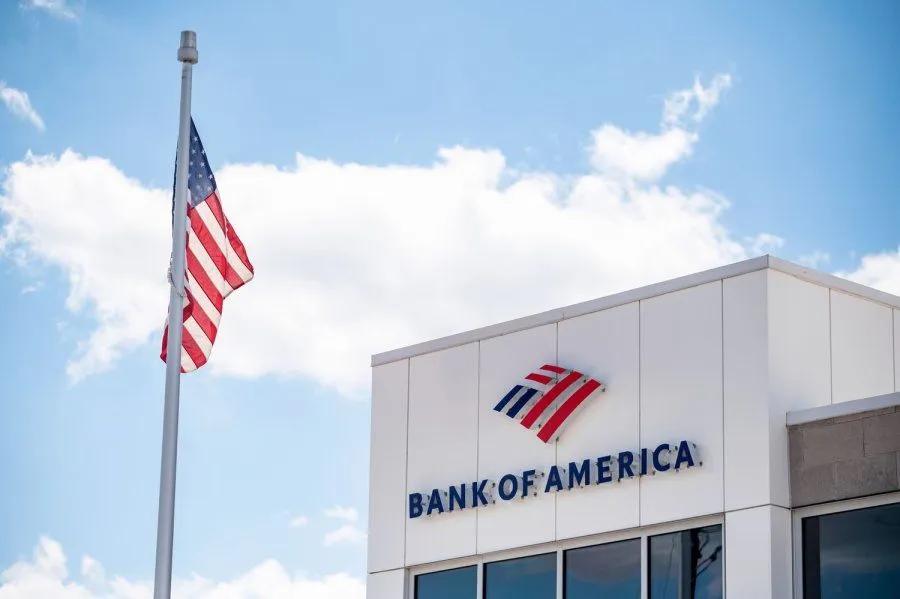
According to Bank of America CEO Brian Moynihan, if stablecoins are allowed to pay interest, up to $6 trillion could flow out of the US banking system - that's 30-35% of all commercial bank deposits. This figure is based on US Treasury Department research, which points to a potential massive outflow of funds from bank deposits to high-yield stablecoins.
Why Are Banks Nervous?
Banks are concerned about several key aspects:
- Yield-bearing stablecoins could become an attractive alternative to traditional bank accounts, offering higher interest rates without volatility risks.
- Stablecoin reserves are often invested in US government bonds rather than in lending to the economy, reducing funds available for bank lending.
- Fewer deposits mean less ability to issue loans or the need to attract more expensive funding, which could lead to a "liquidity crisis" in the banking system.
Moynihan emphasized that banks are adapting, but the risk to the overall economy is significant:
"If you pull out deposits, banks either won't be able to lend or will have to attract wholesale funding, which will cost more."
Similar concerns are voiced by other banks, such as Citigroup, where executives warn of a potential $6.6 trillion outflow that threatens lending to businesses and families.
Ban on Passive Income
Amid these concerns, the US Senate is advancing the Digital Asset and Market Clarity Act (Clarity Act), which provides for a ban on passive yield on stablecoins. According to the latest version of the bill, stablecoin issuers will not be able to pay interest or yield simply for holding tokens. However, rewards for active actions such as staking, providing liquidity, collateral, or transactions are allowed.

This compromise is a victory for banks, which lobbied to close a "loophole" in the previous GENIUS Act that allowed intermediaries to pay interest. The crypto industry, on the other hand, criticizes the changes, arguing that the ban on passive income makes stablecoins less competitive and forces a shift to more complex reward models. For example, Coinbase is considering withdrawing support for the bill due to these restrictions.
Market Implications
The Clarity Act bill, currently under consideration in the Senate committee, could become key to regulating the crypto market in the US. It not only limits passive rewards but also protects developers of non-custodial blockchains from the status of financial intermediaries, reducing regulatory uncertainty. For the global market, this means a potential reorientation: stablecoins will lose appeal as "unregulated savings accounts," but they will gain integration with traditional banks, such as Bank of America, which is already planning to launch its own stablecoins after the legislation is passed.


 Successfully copied... Thank you for sharing our content!:



5% deposit bonus up to 100 gems

a free Gift Case





EGAMERSW - get 11% Deposit Bonus + Bonus Wheel free spin


EXTRA 10% DEPOSIT BONUS + free 2 spins

3 Free Cases + 100% up to 100 Coins on First Deposit


5 Free Cases, Daily FREE & Welcome Bonuses up to 35%

3 free cases and a 5% bonus added to all cash deposits.

+5% to deposit




Comments