




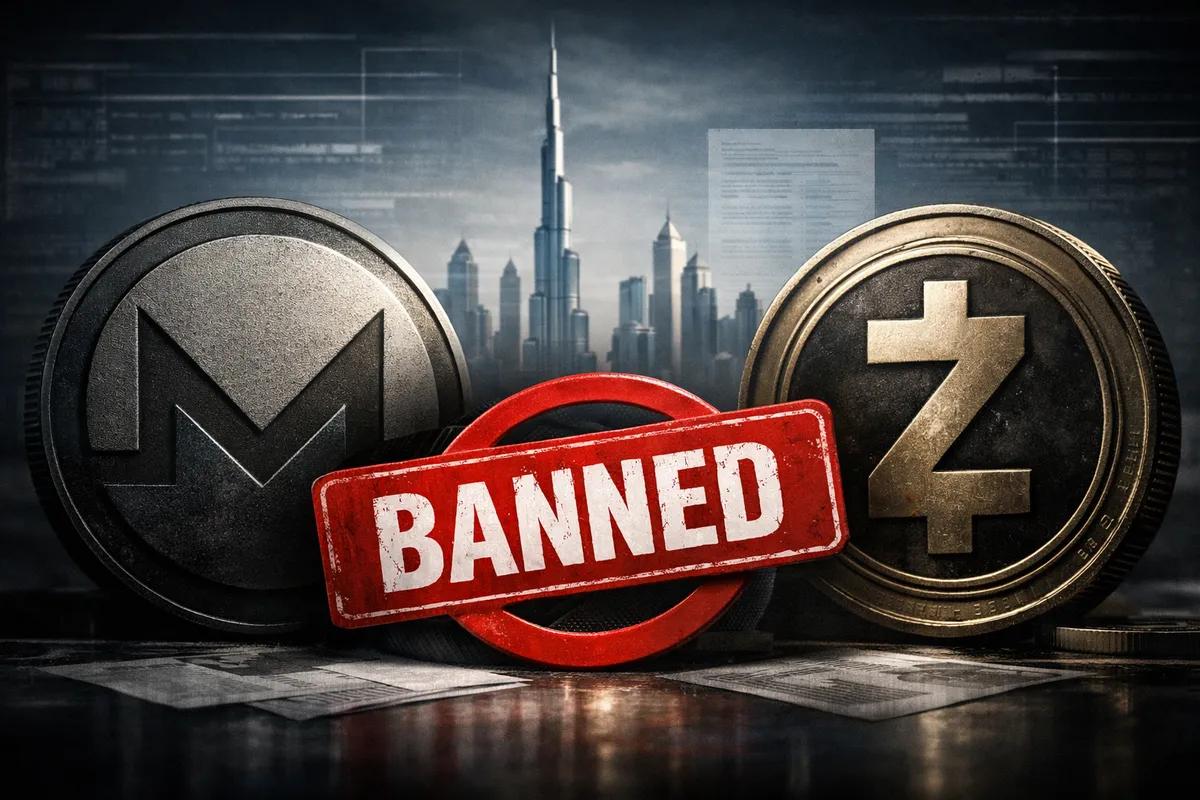
Dubai Bans Privacy Tokens: A New Blow to Monero and Zcash in Crypto Regulation
The Dubai Financial Services Authority (DFSA) has announced a ban on the use of privacy tokens within the Dubai International Financial Centre (DIFC), citing risks related to anti-money laundering and sanctions compliance. This news, published today on Coindesk, signals another step in the global tightening of cryptocurrency regulations, where privacy is becoming a key battleground between innovation and control. The ban applies to trading, promotion, investment activities, and derivatives involving such tokens for regulated firms, although residents can still hold them in private wallets. The regulator has also prohibited the use of tools like mixers or tumblers that obscure transactions.
This move is not isolated: according to recent tweets from crypto analysts like @Cryptobhrataa, the ban specifically targets popular privacy tokens such as Monero (XMR) and Zcash (ZEC), which have recently seen a surge in trader interest, with Monero reaching a new all-time high.
The DFSA emphasizes that such tokens complicate tracking owners and transaction histories, making it impossible to comply with FATF (Financial Action Task Force) standards, which require identification of all parties in a transaction.
What Are Privacy Tokens: Monero and Zcash in Focus
Privacy tokens are cryptocurrencies designed to ensure user anonymity, unlike transparent blockchains like Bitcoin, where all transactions are publicly visible. Monero (XMR), launched in 2014, is one of the most popular examples. It uses technologies like ring signatures, stealth addresses, and confidential transactions (RingCT) to completely hide amounts, senders, and recipients. This makes Monero ideal for those who value privacy but also attracts it for illicit activities.
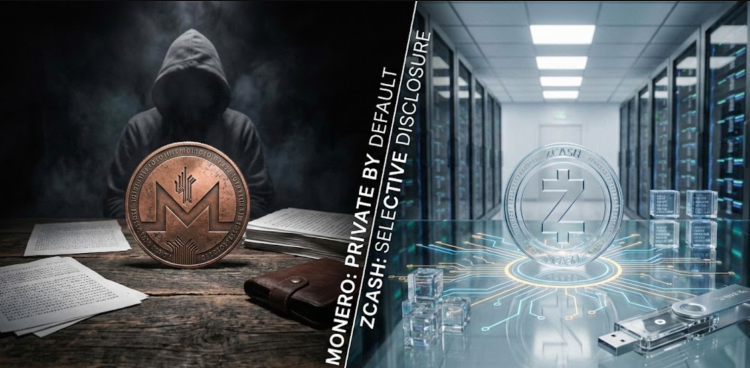
Zcash (ZEC), launched in 2016, offers a more flexible approach. It is based on zk-SNARKs technology, which allows for both transparent and fully private (shielded) transactions. Users can choose their level of privacy, and in some cases, even prove certain details to regulators without revealing everything. According to analysts, Zcash positions itself as a "regulator-friendly" privacy token because it has tools for selective transparency that can facilitate compliance. However, even with this, only about 53% of transactions in Zcash are fully shielded, with the rest traceable, which still creates regulatory challenges.
Dangers for Exchanges and Financial Regulators
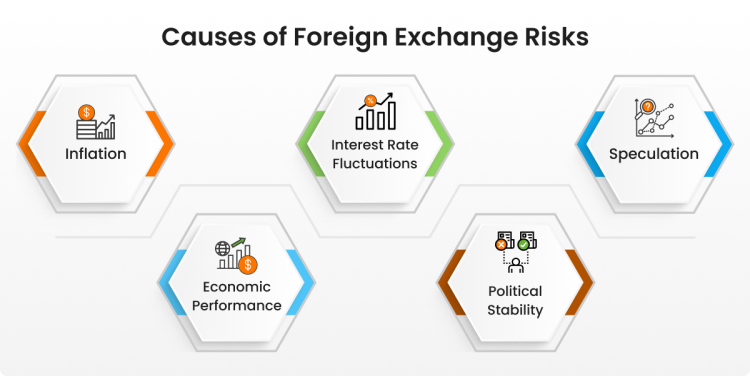
Tokens like Monero and Zcash pose significant risks to crypto exchanges and regulators due to their opacity. For regulators like the DFSA or FATF, the main issue is the inability to effectively combat money laundering, terrorism financing, and sanctions evasion. Private transactions make it difficult to trace funds from illegal sources, such as darknet markets or cybercrimes. For example, global bodies like FATF have long labeled privacy coins as high-risk, leading to bans in jurisdictions like the EU (through MiCA) or Hong Kong, where they are allowed only under strict conditions. Analysts warn that in 2026, privacy tokens may continue to outperform the market but with a high risk of delisting due to tightening regulations.
For exchanges, the risks are even more practical: supporting such tokens can lead to fines, loss of licenses, or even lawsuits. Exchanges must comply with KYC (Know Your Customer) and AML rules, and privacy tokens make this impossible. For instance, Monero has long been unavailable for trading on top exchanges: Binance delisted it back in 2024-2025 due to regulatory pressure, and Kraken removed it from trading in the European Economic Area (EEA) in October 2024, citing changes in regulations. Similarly, Zcash faces similar issues, although its selective privacy makes it less vulnerable - exchanges can require transparent transactions, but they still risk if regulators classify it as "anonymous." According to experts, such tokens force exchanges to balance between innovation and compliance, often choosing the latter to avoid losses, as in the case of FTX or other scandals.
The Future of Privacy in Crypto
This ban in Dubai is part of a broader trend: regulators in the EU or US are increasingly focusing on traceability, shifting responsibility to exchanges for token assessments. At the same time, privacy tokens like Monero and Zcash continue to attract investors, with Zcash recently experiencing a 37% drop after warnings from experts like Arthur Hayes about risks on centralized exchanges. For users, the recommendation is simple: switch to decentralized platforms or private wallets, but be prepared for volatility due to regulatory blows.


 Successfully copied... Thank you for sharing our content!:



5% deposit bonus up to 100 gems

a free Gift Case




EGAMERSW - get 11% Deposit Bonus + Bonus Wheel free spin


EXTRA 10% DEPOSIT BONUS + free 2 spins

3 Free Cases + 100% up to 100 Coins on First Deposit


5 Free Cases, Daily FREE & Welcome Bonuses up to 35%

3 free cases and a 5% bonus added to all cash deposits.

+5% to deposit




Comments