





Liquidity on the Crypto Market Is Drying Up: The Supply Imbalance Between Bitcoin and Ethereum Is Intensifying Again
 Bitcoin (BTC)
 Ethereum (ETH)
CryptoQuant analysts warn of a growing supply imbalance between Bitcoin (BTC) and Ethereum (ETH), which is once again reaching critical levels - similar to when BTC was trading above $100,000. According to their data, liquidity for buyers is running out, and the remaining funds are simply circulating within the market without new capital inflows. Without fresh investment, this imbalance has historically only been corrected by falling prices, and the current situation is repeating this pattern.
Against this backdrop, the crypto market is undergoing a significant correction in December 2025. As of mid-December, Bitcoin has fallen below $86,000-$88,000, and Ethereum to around $2,800-$2,900, with massive liquidations worth hundreds of millions of dollars. The total market capitalization fluctuates around $2.9-3 trillion, with signs of thin liquidity: trading volumes are declining, and the depth of order books on exchanges remains weak after the autumn crash.
Additional Factors Pressuring Crypto Market Liquidity
Bitcoin is trading around $86,000-$88,000, while Ethereum hovers near $2,800–$2,850. These factors are interconnected and amplifying each other.
Outflows from ETFs
Spot ETFs for Bitcoin and Ethereum have seen substantial net outflows in the fourth quarter of 2025, contributing to reduced fresh institutional capital inflows.
- Bitcoin ETFs: Outflows have been heavy, with multi-week streaks totaling billions (e.g., BlackRock's IBIT alone saw over $2.7 billion in redemptions across several weeks). Daily figures include hundreds of millions on peak days, such as $277–$357 million in mid-December sessions. Overall Q4 outflows have reached several billions, linked to profit-taking, de-risking, and basis trade unwinds amid year-end positioning.
- Ethereum ETFs: The situation is more pronounced, with consecutive days of outflows, including a notable $224 million on December 16 (largely from BlackRock's ETHA at ~$221 million). Q4 has seen persistent redemptions totaling billions, signaling reduced institutional enthusiasm and capital rotation away from ETH.
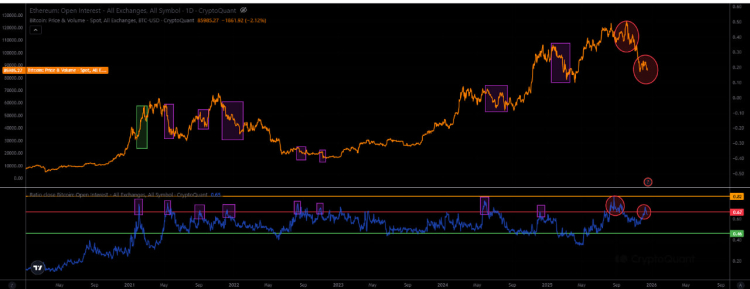
These outflows indicate waning risk appetite among institutions, directly reducing spot liquidity and exacerbating downward pressure during corrections.
Declining Stablecoin Activity and Macroeconomic Uncertainty
Stablecoin activity - a primary gauge of new fiat inflows into crypto,has weakened:
- Total stablecoin market capitalization is around $309–$310 billion, marking record highs but with slowed growth and some monthly contractions earlier in the year. Inflows to exchanges have dropped significantly (e.g., down 50% from peaks), and transfer volumes have fallen, showing negative net flows in recent periods.
- This reflects a lack of fresh capital: Investors are parking in stablecoins or exiting to fiat amid caution.
Macro factors are amplifying this:
- Following the December rate cut (to 3.50-3.75%), uncertainty around inflation and employment persists, leading to "risk-off" sentiment despite cuts typically being bullish for assets like crypto.
- High probability of a December hike could unwind yen carry trades (borrowing in JPY to invest in risk assets), strengthening the yen and dollar while triggering liquidations - similar to impacts seen in prior hikes (20-30% BTC drops).
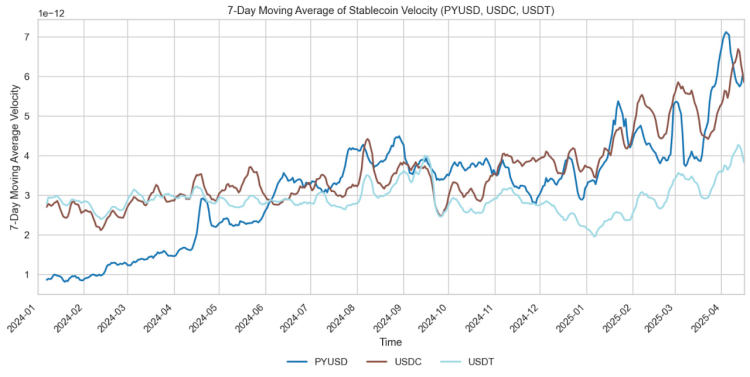
Overall, macro uncertainty is driving capital toward safer assets, reducing crypto liquidity.
Accumulation by Institutional Holders and Reduced Trading Liquidity
A long-term positive signal but short-term drag on liquidity:
- Reserves have hit multi-year or historical lows (e.g., around 8-14% of supply, lowest since 2016 per CryptoQuant and Glassnode data). This is driven by massive staking (over 29-30% of ETH staked), shifts to L2 solutions, restaking, and whale/institutional accumulation (hundreds of thousands of ETH withdrawn).
- Lower available supply for trading makes the market "thin" - smaller volumes cause larger price swings. It reduces selling pressure long-term (bullish for supply shock on demand recovery) but heightens downside volatility during panic.
In summary, these elements form a vicious cycle: Lack of new liquidity (from ETFs and stablecoins) + macro pressure + "locked" supply from holders = prolonged consolidation or deeper correction. Without renewed inflows (e.g., ETF reversals or clearer central bank signals), vulnerability persists. Long-term, low exchange reserves remain a bullish indicator for potential upside on demand rebound.


 Successfully copied... Thank you for sharing our content!:



5% deposit bonus up to 100 gems

a free Gift Case





EGAMERSW - get 11% Deposit Bonus + Bonus Wheel free spin


EXTRA 10% DEPOSIT BONUS + free 2 spins

3 Free Cases + 100% up to 100 Coins on First Deposit


5 Free Cases, Daily FREE & Welcome Bonuses up to 35%

3 free cases and a 5% bonus added to all cash deposits.

+5% to deposit




Comments