




World of Warcraft: Midnight Review
 Warcraft
 Review
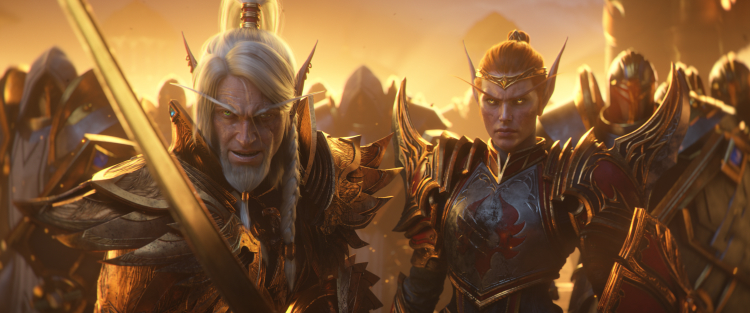
World of Warcraft: Midnight, the second chapter of Blizzard's Worldsoul Saga trilogy and the game's 11th expansion, releases in late March 2026 for PC. It returns players to Quel'Thalas to defend the Sunwell against Xal'atath and her Void forces while launching three major new systems: player housing, the Prey outdoor endgame mechanic, and a sweeping class design overhaul. Blizzard simultaneously rebuilt Silvermoon City and Eversong Woods from the ground up, delivering the most visually ambitious zone redesign in the game's 22-year history. The result is an expansion that pushes further in more directions at once than any since Cataclysm — and carries the same mixture of genuine triumph and visible strain.
Silvermoon and the Zones
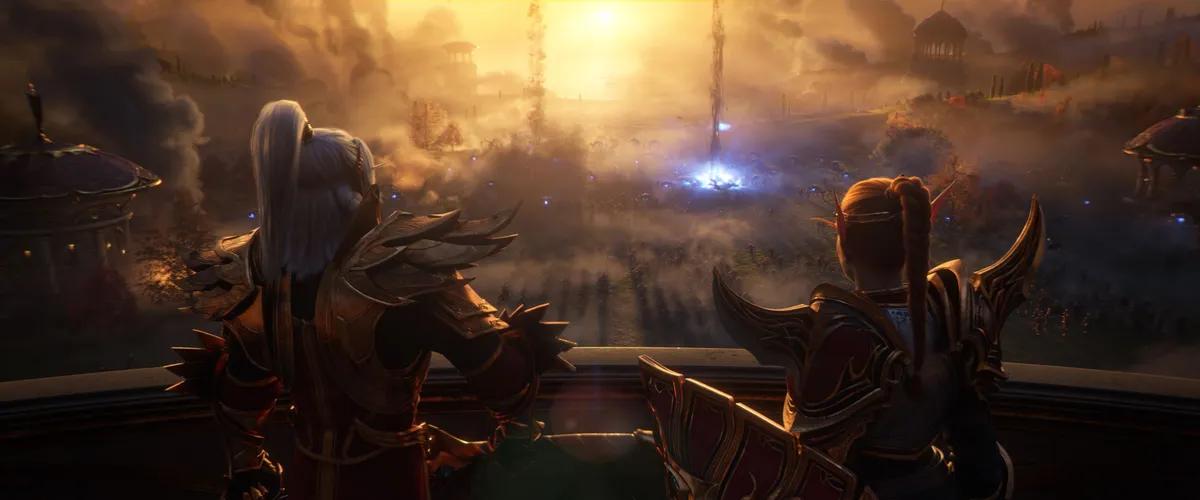
The rebuilt Silvermoon City is the expansion's centerpiece, and it delivers on two decades of expectation. Blizzard's environment team elevated the city's ivory spires into fully traversable vertical space, with interconnecting interiors that reward repeated exploration. Updated architecture, a new musical score that incorporates themes from earlier expansions, and lighting sourced from the Sunwell's radiance combine to produce a city that reads simultaneously as the Silvermoon players remember from The Burning Crusade and as a thoroughly current construction. Murder Row has been expanded from a single street into a network of subzones carrying distinct political and cultural weight.
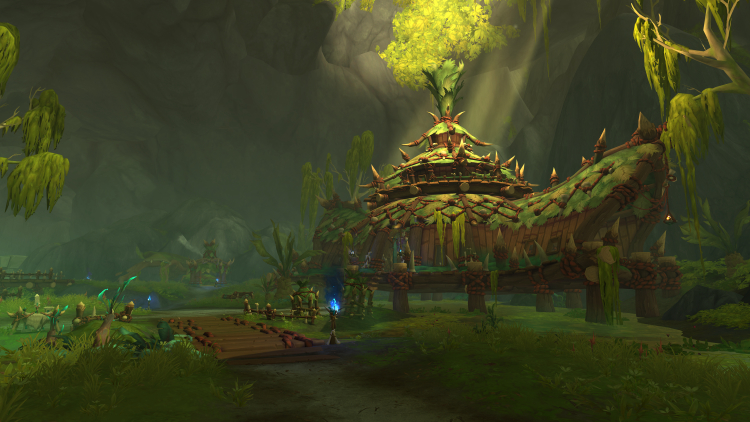
Eversong Woods received the same treatment. Healed from the scars of Arthas' invasion, the zone functions as a mature version of the Blood Elf starter area that launched in 2007 — Blizzard advanced the timeline here in a way done previously only once, during Cataclysm. The forest troll homeland of Zul'Aman, now a full open zone rather than a raid or dungeon, contrasts the elven kingdom with dense, piney wilderness that stands as one of the expansion's most atmospheric areas.
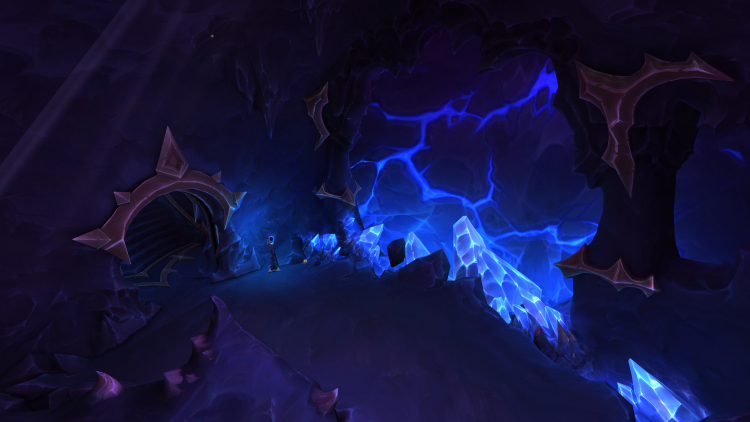
The two entirely new zones produce more uneven results. Harandar, home to the new Haranir allied race, was widely suspected by players to be a repurposed War Within content patch zone, based on a visible leitmotif carried over from the previous expansion's soundtrack and story threads that connect more cleanly to that expansion's narrative than to Midnight's. It lacks the visual identity of the redesigned zones. The Voidstorm, by contrast, uses a stark primary-color palette that avoids the grey fatigue of earlier Void-themed environments, and houses some of the expansion's strongest side quest writing alongside a new NPC faction, the Domanaar, whose combination of menace and deadpan absurdism earns them a position among recent WoW's more memorable zone populations.
Story and Side Content
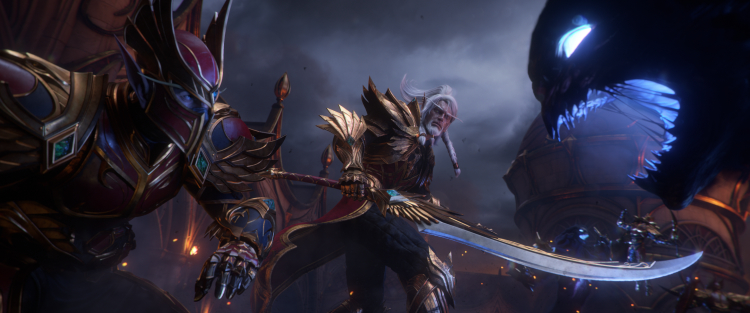
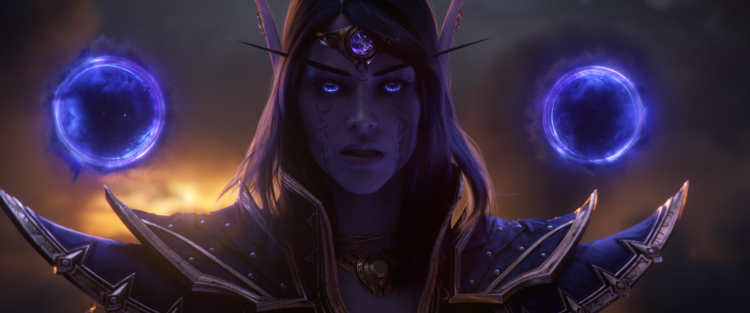
Midnight's central narrative covers Xal'atath's siege of Quel'Thalas and the efforts of Arator — half-elf son of Turalyon and Alleria Windrunner — to hold the Sunwell while countering the Void advance. The villain herself is the story's most significant limiting factor. Xal'atath has spent several expansions accumulating credibility as one of Warcraft's most compelling antagonists, but Midnight keeps her largely offscreen during the main campaign. Her plan to corrupt the Sunwell draws on a premise the franchise has revisited before, and her motivations in this expansion remain generic. The Voidspire raid that closes the opening season ends on strong plot beats, positioning her more centrally for the expansion's remaining story chapters.
Writing quality divides sharply along the same line it has for four consecutive expansions. Side quest writing consistently outperforms the main plot. A single quest in Zul'Aman — two estranged troll siblings navigating the complicated grief of mourning an abusive parent — demonstrates emotional range the main campaign never reaches. The main story undercuts its own thematic work through repetition: a sequence in Arator's questline delivers the same beat, that being a Paladin means more than fighting, five consecutive times across five separate encounters, methodically removing whatever resonance the point might have carried. Turalyon's characterization introduces new flaws that read as constructed specifically to generate an arc rather than developed from his prior history. Both problems are entrenched across recent expansions, which makes them less surprising but no less costly to the story's potential.
Player Housing
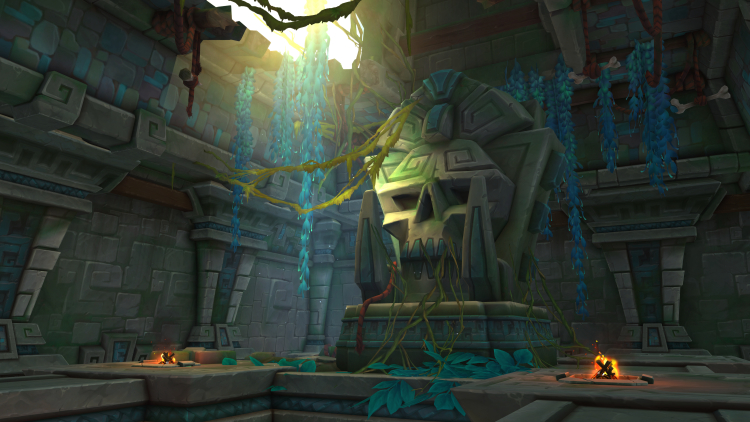
Player housing launched in December 2025 ahead of the expansion proper, and constitutes the most structurally significant new feature in WoW's history. Blizzard's decoration tools support rotation, clipping, and kitbashing with almost no restriction. The interface is the most accessible housing system in any current major MMO. Switching between editing a house and standard gameplay remains slightly clunky, requiring more steps than the action warrants, and a copy-paste function for duplicate decor items in storage is absent. Previewing dye colors on a decoration and then purchasing the correct paints requires a separate trip to the auction house — a friction point Blizzard has acknowledged but not yet resolved.
Decor items are single-use purchases, which turns acquiring multiple copies of the same piece for symmetrical builds into a genuine grind. A post-launch hotfix reduced vendor prices for certain decor, which addresses the symptom without eliminating the underlying problem. These are recognizable first-version shortcomings on a system with strong structural foundations. What players have already produced with the available tools — complex custom interiors, architectural kitbashes, atmospheric rooms — exceeds reasonable expectations for any housing system's launch state.
Prey and the Endgame
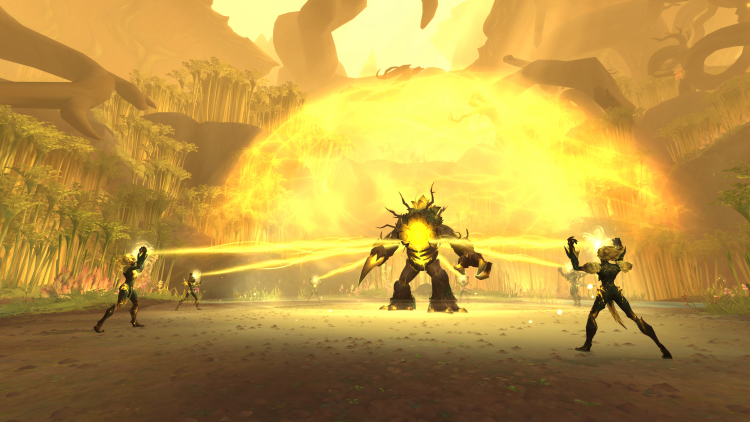
The Prey system assigns players a specific NPC target who ambushes them in the open world as they complete quests and outdoor activities. Progress fills a meter that eventually reveals the target's location for a direct encounter. Three difficulty tiers modify the experience, with higher tiers applying stacking damage debuffs and additional hazards. Deaths reduce progress, which gives open-world gameplay consequences absent from outdoor content for most of the game's history.
I find nightmare difficulty the most compelling version of the system — invasive enough that ambushes interrupt daily activities and force the use of defensive cooldowns that normal outdoor content never demands. The weakness lies in the targets themselves. Fight mechanics across most of the roster are structurally identical beneath superficial variation: interrupt an ability, avoid a ground effect, manage a debuff. World quests tied to each target recycle objectives with model swaps rather than mechanical differentiation. Blizzard chose breadth over depth when designing the target roster, and the current result is a system whose premise outperforms its content. Delves — which grew substantially more complex and rewarding across The War Within's full lifecycle — provide precedent for Prey developing similarly through the expansion's remaining patches.
Dungeons, Raids, and Season Structure
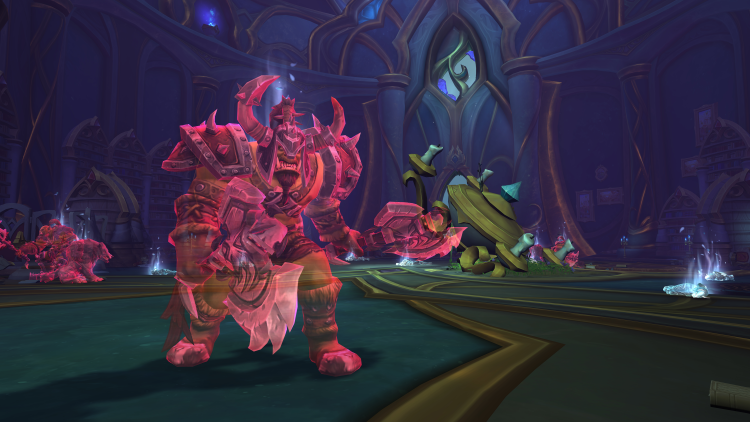
Dungeon and encounter design represents one of Midnight's clearest improvements over recent expansions. Attacks are more telegraphed than in the addon-supported era. Mechanics are visible in the game environment itself rather than encoded in the dungeon journal or requiring external resources to decode. Players receive more reaction time on unfamiliar boss abilities. Den of Nalorakk in Zul'Aman stands out among the new five-player dungeons: an open layout where players race predatory NPCs for dwindling resources, building toward a gauntlet through howling winds with a dynamic floor mechanic on the final encounter. The boss design philosophy shift, driven directly by the removal of certain addon functionality, has produced cleaner and more readable encounters at every difficulty level.
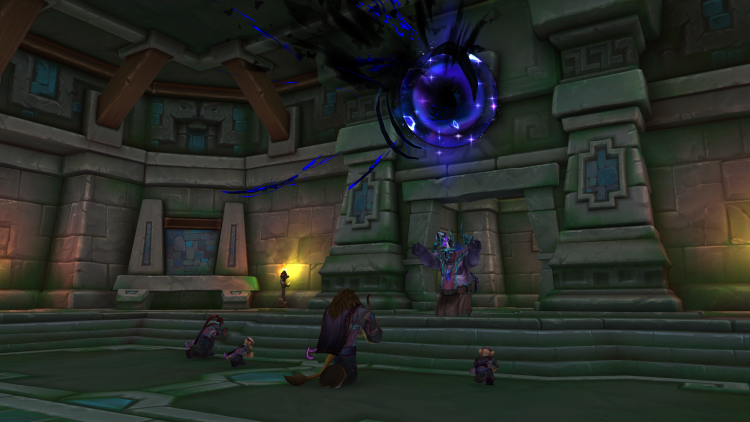
Delves show direct evolution from their War Within introduction, with a wider spread of scenario types. A standout example casts players as a wrestling villain performing for an arena crowd of mushroom people — a tonal register WoW side content handles more effectively than its main narrative. Tier 11 Delves have been built around skill-readable one-shot mechanics rather than gear thresholds, which opens high-tier content to players who invest in understanding encounters rather than outlevel them. The Great Vault's Coffer Key Shard distribution for Bountiful Delves has been adjusted to be more accessible while retaining a weekly cap that most players will hit within 90 minutes of active play. Upgrading a gear slot to the highest item level previously obtained in that slot now costs only gold rather than crests, a gearing change that meaningfully reduces the friction of progression across multiple characters.
Class Design and the Addon Overhaul
Blizzard's controversial restriction of combat addon functionality ahead of Midnight ended development of WeakAuras, a tool that had functioned as a de facto requirement for serious play. The built-in replacement, the Cooldown Manager, uses drag-and-drop ability assignment and operates without configuration knowledge or external setup. An in-game damage meter ships alongside it. Both tools make more combat information accessible to more players than at any previous point in the game's history. The tradeoff in depth compared to the addon ecosystem is real but largely offset by the encounter redesign that accompanied the addon changes.
The class overhaul applied alongside these changes produced uneven results at launch. Blizzard reduced button counts across most specializations to improve legibility without addon support, and several of those reductions removed more than they should have. The new Devourer Demon Hunter specialization — a thematically appropriate Void-powered variant for this expansion — reduces in practice to two primary buttons cycling to a third. Its main filler ability, Consume, lacks visual feedback: no projectile, no impact frame. The gap between Consume and Reap, the specialization's spender, which carries dramatic visual and damage weight, makes the rotation feel structurally unfinished rather than streamlined. I notice the same issue in the new Apex Talents, which are framed as build-defining choices but function as mandatory investments that narrow hero talent tree selection rather than opening it. Marksmanship Hunter operates more coherently, with its apex talent converting Aimed Shot into a high-setup nuke consistent with the spec's identity. The variation in spec quality at launch — Survival Hunter's primary ability required a 1500% damage buff to become viable — reflects a class overhaul that shipped with acknowledged problems rather than one that generated unforeseen failures, which is a relevant distinction for assessing what post-launch patches will need to address.
Verdict
World of Warcraft: Midnight is an 8/10 game. Blizzard stacked an unprecedented number of major initiatives — housing, a class redesign, an addon ecosystem overhaul, comprehensive zone rebuilds, new encounter philosophy, and a second chapter of a three-expansion narrative — into a single release, and the expansion excels in its most visible areas while carrying visible stress marks where execution fell short of its ambitions.
Pros:
- Silvermoon City, Eversong Woods, and Zul'Aman represent the strongest zone work in the game's history
- Player housing tools deliver genuine creative freedom with the most accessible interface in any major MMO
- Dungeon and encounter design has never been cleaner or more readable without external addon support
Cons:
- Class overhaul is inconsistent at launch, with some specializations simplified past the point of meaningful engagement
- Prey system's hunt targets lack the mechanical depth that the system's premise requires to sustain long-term interest
Midnight does not resolve every problem it introduces, and housing, Prey, and class balance all carry work that will continue through the expansion's remaining patches. What Blizzard built here nonetheless advances WoW in the areas that matter most to both returning and new players — zone craft, endgame variety, housing, and dungeon accessibility — in ways the game has not managed simultaneously before. The structural foundations are strong enough that the launch roughness reads as the cost of genuine ambition rather than as evidence of miscalculation.


 Successfully copied... Thank you for sharing our content!:

Comments