




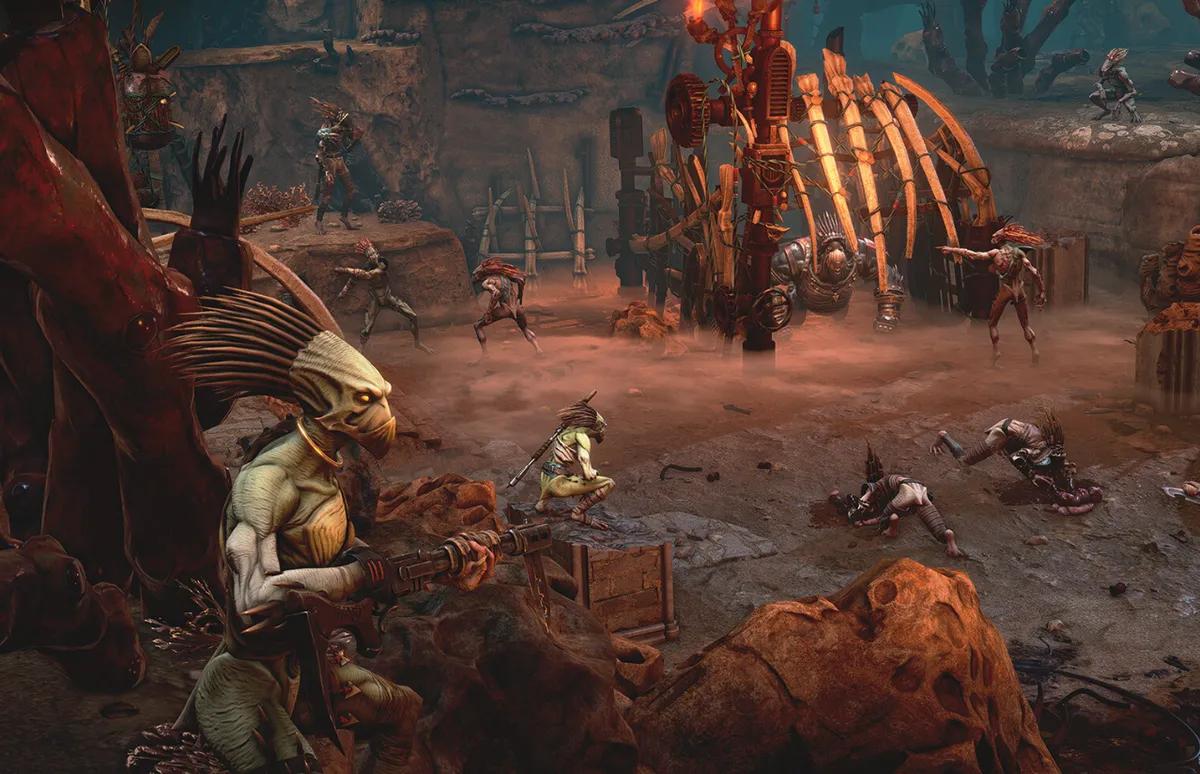
Warhammer 40,000: Dark Heresy Signals A Shift In The CRPG Landscape
 Announcement
Warhammer 40,000: Dark Heresy is positioning itself as one of the most immediate successors to Baldur’s Gate 3 in the computer role-playing space, not by scale alone but by timing. While Larian Studios’ next Divinity title remains distant, Owlcat Games’ latest Warhammer project is already playable in an early access form through its deluxe edition. The proximity of its release has drawn renewed attention to a genre still riding the momentum of Baldur’s Gate 3’s success.
Set within Games Workshop’s long-running science fiction universe, Dark Heresy follows an Inquisition acolyte operating inside the Imperium of Man. Rather than focusing on large-scale warfare, the game centers on investigation, social maneuvering, and factional pressure. Players spend significant time interrogating suspects, navigating layered political conflicts, and tracking how decisions ripple across entire districts. Combat exists, but it is not the primary driver of progression.
The structure draws heavily from Owlcat’s previous Warhammer 40,000 title, Rogue Trader, while reworking its systems from the ground up. Dark Heresy is a standalone experience rather than a direct sequel, allowing the studio to strip back some of the complexity that weighed down earlier releases. The result is a game that introduces dense mechanics gradually, with most of its depth emerging through repeated choices rather than initial menus.
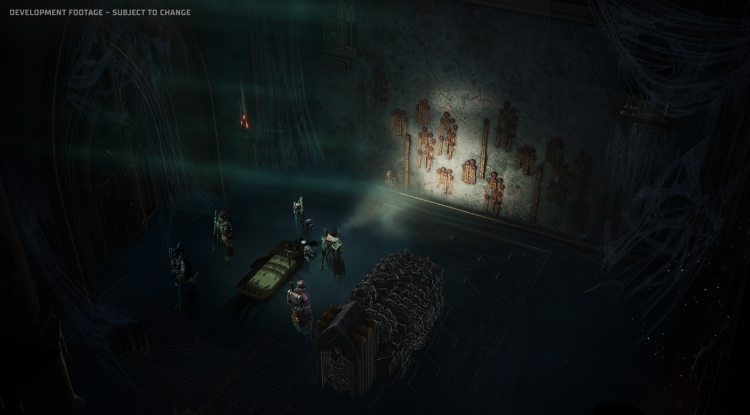
One of the most notable systems revealed in the alpha build is how the order of investigations reshapes the game world. Entire zones evolve based on when the player arrives and what actions were taken elsewhere. A district visited later in the campaign may appear physically altered, with environmental damage reflecting earlier failures or delays. These changes affect which factions control the area, how residents behave, and what options remain available.
Non-player characters acknowledge these shifts directly. Dialogue frequently references the state of a location and records which decision triggered it. This creates a persistent sense of accountability, with fewer neutral outcomes. The investigation board tracks discoveries and missed details, making it possible to see how different paths might have led to different conclusions.
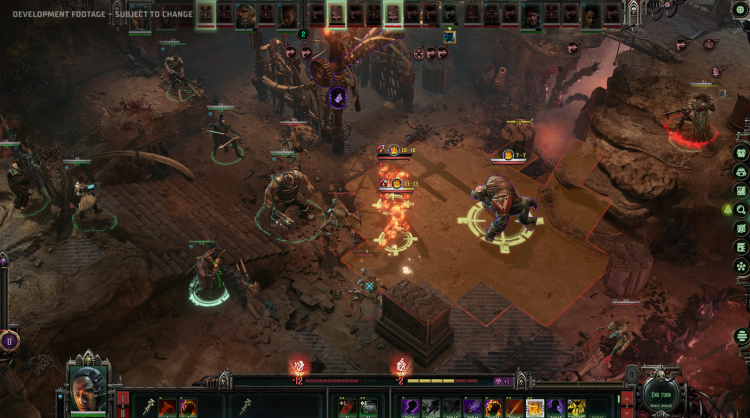
Combat, while present, is treated as one tool among many. Encounters often include secondary objectives or environmental conditions that reward careful positioning and tactical planning. Large arenas and lengthy battles remain points of friction, particularly in the alpha, but they are offset by systems that allow players to mitigate difficulty through preparation rather than brute force.
Owlcat’s experience with Pathfinder: Kingmaker and Pathfinder: Wrath of the Righteous is evident in the way Dark Heresy balances accessibility with systemic depth. A revised reputation model replaces faction-specific meters with two broader measures: Presence and Rapport. Influence can be earned through intimidation or cooperation, shaping how characters and organizations respond without locking players into rigid alignments.
For newcomers unfamiliar with Warhammer 40,000, the game includes layered tooltips that explain terminology without halting conversations. This approach reduces reliance on external lore knowledge and keeps investigations moving. The alpha build does not yet feature full voice acting, but Owlcat has confirmed that all dialogue will be voiced at launch.
The investigation system stands out as the game’s most distinctive feature. Clues are not automatically resolved into conclusions. Players assemble evidence, review timelines, and submit final reports based on their interpretation of events. This mechanic places responsibility on the player rather than the interface, rewarding attention and follow-through.
Dark Heresy allows for varied role-playing approaches. An acolyte can enforce doctrine with absolute severity or pursue results through negotiation and compromise. These choices shape not only story outcomes but also mechanical progression, reinforcing the connection between narrative intent and gameplay consequence.
With an early access version already available and a full release approaching sooner than many comparable CRPGs, Warhammer 40,000: Dark Heresy is emerging as a significant entry in a genre still recalibrating after Baldur’s Gate 3. Its focus on investigation, adaptive environments, and player accountability sets it apart from traditional fantasy role-playing, offering an alternative path forward for story-driven CRPGs.
Read also, interest in Larian Studios’ earlier work has surged as new Divinity: Original Sin 2 players rediscover the consequences of the game’s infamous chicken quest, a reminder of how small decisions can spiral in modern role-playing games.


 Successfully copied... Thank you for sharing our content!:

Comments