




Former Rockstar Technical Director Says GTA Tokyo Came Close Before Rockstar Chose Familiar U.S. Cities Again
 GTA VI
 Games
Games Announcement
GTA Tokyo was discussed inside Rockstar’s orbit and, according to a former technical director, reached the point where another studio in Japan was expected to build it before the plan collapsed. The claim comes from Obbe Vermeij, a longtime Rockstar Games developer who worked on Grand Theft Auto III, Vice City, San Andreas, and Grand Theft Auto IV, and who says the series’ future is effectively locked to a small set of American cities.
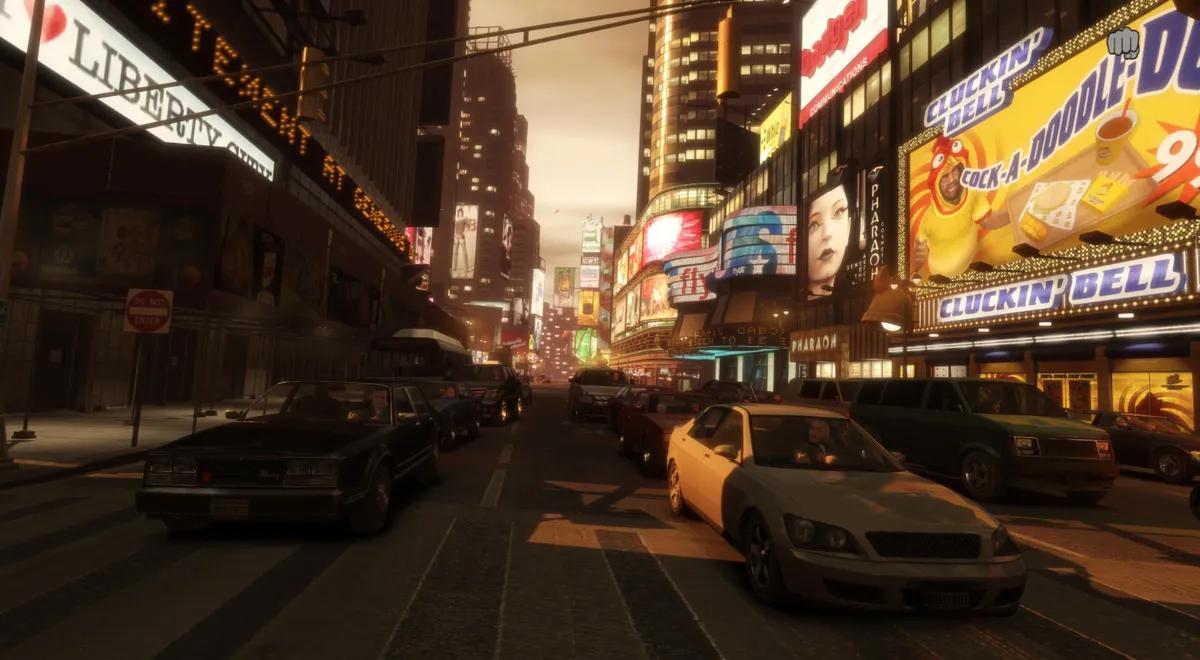
In an interview with Gameshub, Vermeij described a moment when the franchise’s geography could have shifted away from the United States. He said there were ideas for settings including Rio de Janeiro, Moscow, and Istanbul, but framed Tokyo as the closest to becoming real. He placed the discussion in the period after Liberty City, San Andreas, and Vice City had already been established as the franchise’s core map inspirations.

Vermeij worked at the company from 1995 to 2009 and left shortly after finishing GTA IV. Looking back, he argued that the scale, cost, and timelines of modern GTA production push the series toward familiarity. He described an arrangement in which a separate studio in Japan would have used Rockstar’s technology to develop a Tokyo-set Grand Theft Auto. He did not identify the studio, but said the idea progressed further than other international concepts before it was ultimately abandoned.
“It just wouldn’t work.” — Obbe Vermeij
Vermeij tied that conclusion to audience recognition and the business reality of blockbuster development. He argued that American cities provide immediate legibility for a global audience and lower the risk for a franchise that now carries enormous financial expectations. In his telling, the more money tied to the project, the more pressure there is to choose a place that players already understand through film, television, music, and the cultural shorthand of U.S. city imagery.
“America is basically the epicenter of Western culture.” — Obbe Vermeij
He said players do not need personal travel experience to hold a clear mental image of places like New York, Los Angeles, or Miami. That familiarity, he implied, becomes a development asset when the production cycle stretches long enough that each installment must justify years of work and a budget that can reach into the billions across staffing, content production, marketing, and long-tail online support.
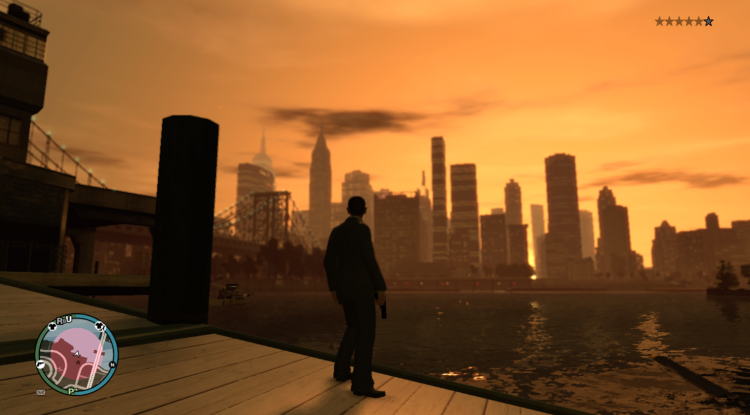
Vermeij also described how the long gaps between releases change what would otherwise be feasible experimentation. In his view, earlier eras of shorter production cycles could have supported playful detours into unfamiliar locations. He argued that the modern rhythm, where a mainline GTA can take more than a decade, eliminates the appetite for novelty settings that might not land with the broadest audience.
“If games still took a year to make then yeah sure.” — Obbe Vermeij
In the same account, he rejected the idea that a new setting is needed to maintain excitement. He said advances in technology and production standards make revisiting a city fundamentally different from the prior version players remember. In other words, returning to Vice City decades later is not recycling. It is building a different game that happens to draw from the same geographic inspiration.
“Nobody is going to say that they’re not going to play GTA 6 because they’ve already played Vice City.” — Obbe Vermeij
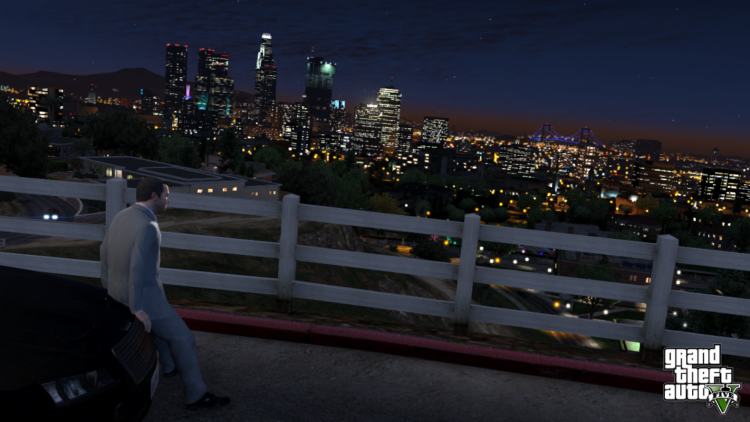
The comment lands as GTA 6 is set to return to Vice City, Rockstar’s fictional take on Miami, Florida. That return has already been positioned as a major shift from GTA V’s Los Santos, with marketing emphasizing a new region, new characters, and a different slice of American life. Vermeij’s view suggests Rockstar’s changes will remain inside U.S. borders even as it refreshes the tone and technology.
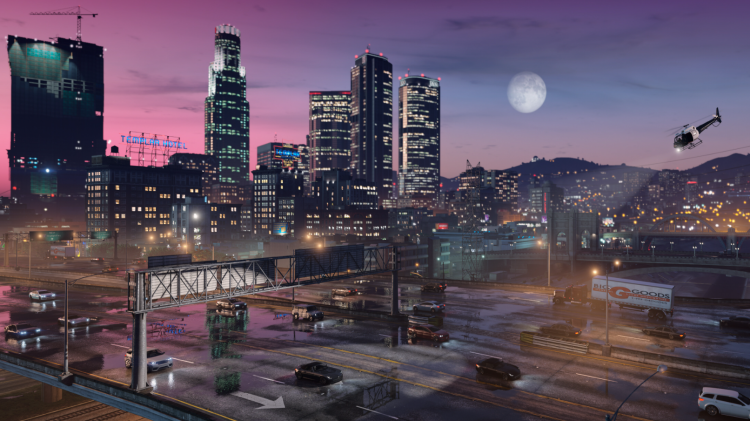
He extended the argument beyond a single sequel and described the franchise as trapped in a narrow loop of familiar American cities. He predicted Rockstar would likely revisit New York again, or return to Los Angeles, or pivot to Las Vegas rather than attempt a left-field international city. He treated the idea of a GTA set in Canada as an example of a concept that might sound entertaining but would not justify the risk.
“I’m afraid we’re stuck in this loop of about five American cities. Let’s just get used to it.” — Obbe Vermeij
The interview also revisited longstanding fan speculation about whether Rockstar might someday place a full GTA game in Europe, particularly London. Vermeij said he would personally enjoy seeing it, but he framed it as unrealistic under modern constraints. He suggested that a game set outside the U.S. is not only a creative question but a production bet, and the current market incentives reward repeatable success.
Those remarks align with a separate public explanation from Dan Houser, Rockstar co-founder and former creative lead, who has previously discussed why the series stayed anchored to American settings. Houser pointed to Grand Theft Auto: London as a historical exception rather than a model for the future, and described the franchise’s dependence on an American cultural foundation.
“We always decided there was so much Americana inherent in the IP.” — Dan Houser
Houser’s framing emphasized tone, not just geography. He argued that the series relies on guns, exaggerated characters, and an outsider’s view of American life, and that shifting the setting would disrupt the ingredients that make GTA read like GTA. In that context, a foreign city is not simply a new map. It is a new cultural target, with different institutions, different criminal myths, and different expectations about violence, authority, and satire.
“It would be really hard to make it work in London or anywhere else.” — Dan Houser
Vermeij’s comments were part of a wider conversation about how GTA is made and why it takes so long. In the same wider interview material, he described how his preferences shifted away from AAA development after GTA IV, citing the growth of team size and the narrowing of individual creative influence. He said the early games felt like small teams where ideas moved quickly, while later projects became larger operations with decisions increasingly driven from Rockstar’s New York leadership.
He also discussed the franchise’s internal history of trying ideas and cutting them when they did not fit schedule or scope, including early attempts at multiplayer features that were dropped long before GTA Online became the engine of the series’ financial success. He framed modern AAA as a trade: longer timelines and higher fidelity in exchange for less flexibility to chase experiments.
In that view, a foreign setting is not just new art and new architecture. It is new research, new cultural references, new voice casting demands, and a fresh set of expectations from players and critics about accuracy. A game set in Tokyo would draw scrutiny on language, districts, policing, organized crime, street culture, and the everyday details that make the GTA cities feel lived-in. That level of specificity is expensive even when the setting is a familiar U.S. city. Vermeij’s remarks implied the cost multiplies when the core audience does not share the same baseline image.
The broader conversation around GTA’s cultural reach has also moved beyond games media. The source material referenced a University of Tennessee history professor, Tore Olsson, who is scheduled to teach a college course on Grand Theft Auto in early 2026. Olsson described the games as shaping how players imagine real places, arguing that millions of players around the world form a mental picture of contemporary America through GTA’s cities.
“Millions of people around the globe imagine contemporary America through the lens of the Grand Theft Auto franchise.” — Tore Olsson
That perspective supports the argument that the setting is not a neutral background. It is a central part of the franchise’s function and influence, and a reason Rockstar might avoid breaking the pattern. Vermeij suggested that the series’ longevity is tied to that shared recognition, and that a Tokyo installment, even if it had reached production, would have had to overcome the absence of that same mass, pre-existing mental image for a Western blockbuster audience.
The disclosure that GTA Tokyo “almost actually happened” will likely reignite a familiar debate among fans: whether Rockstar is missing creative opportunities by staying in the United States, or protecting what makes the series distinct. Vermeij’s account does not rule out international ideas being discussed again. It argues that the practical incentives will keep pushing Rockstar to cities it already knows, cities players already recognize, and themes the franchise has built into its identity over decades.


 Successfully copied... Thank you for sharing our content!:



5% deposit bonus up to 100 gems

a free Gift Case





EGAMERSW - get 11% Deposit Bonus + Bonus Wheel free spin


EXTRA 10% DEPOSIT BONUS + free 2 spins

3 Free Cases + 100% up to 100 Coins on First Deposit


5 Free Cases, Daily FREE & Welcome Bonuses up to 35%

3 free cases and a 5% bonus added to all cash deposits.

+5% to deposit




Comments