




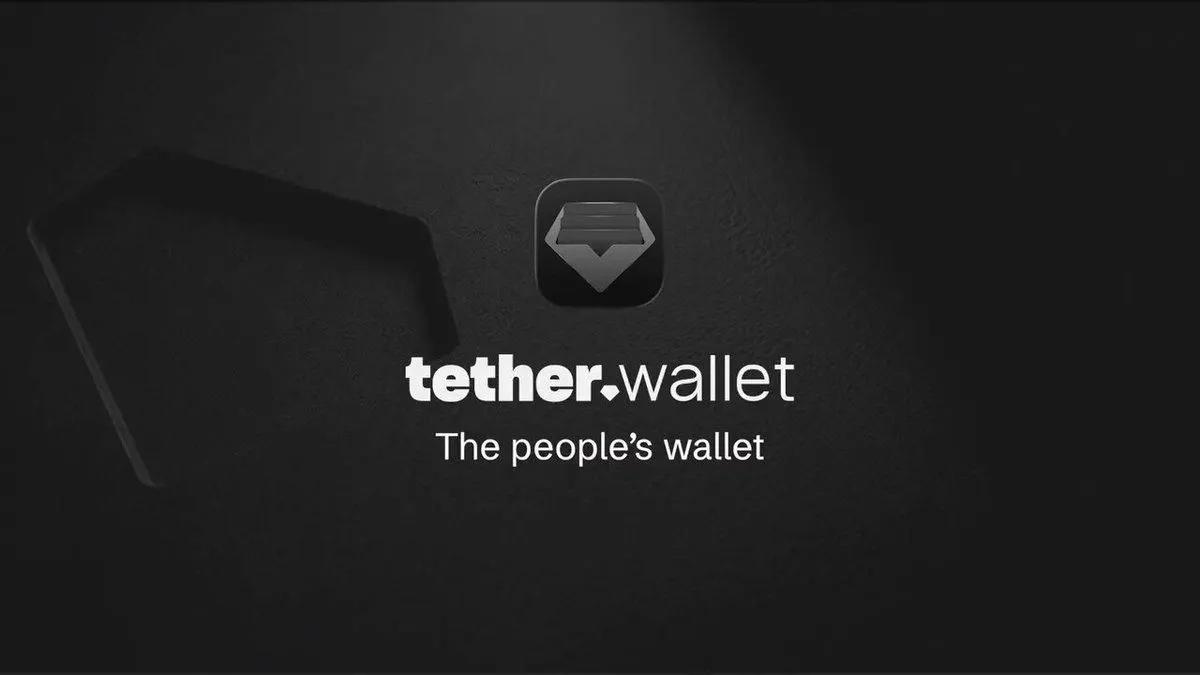
Tether Launches Tether.wallet - New Crypto Wallet with USDT and Bitcoin Support
 Tether (USDT)
 Majors events
Tether has officially announced the launch of its new crypto wallet, Tether.wallet, marking another step toward simplifying digital asset usage for everyday users. The company has also recently expanded its ecosystem with several major product announcements.
As the company behind Tether (USDT) - the most widely used stablecoin in the crypto market - Tether is aiming to make crypto transactions more accessible, intuitive, and user-friendly.
One of the most notable features of Tether.wallet is the ability to send funds using human-readable addresses instead of long and complex wallet strings. For example, users can transfer crypto using a format like [email protected]. This removes the need to copy and paste long wallet addresses and significantly reduces the risk of mistakes, which has been one of the biggest friction points in crypto adoption for years.
Another important upgrade is how transaction fees are handled. With Tether.wallet, users can pay network fees directly in the same token they are sending. This eliminates the need to hold separate “gas” tokens just to complete transactions, making the process much more seamless and beginner-friendly.
Security remains a core part of the wallet’s design. Tether emphasizes that private keys are stored only on the user’s device, meaning the company itself has no access to user funds or sensitive data. This non-custodial approach ensures full user control over assets while aligning with decentralization principles.
At launch, Tether.wallet supports several major digital assets, including:
- USDT
- USAT
- XAUT
- Bitcoin
This mix of stablecoins, tokenized gold, and leading cryptocurrencies allows users to manage different types of digital assets in one place without needing multiple wallets.

The introduction of this wallet reflects a growing trend in the crypto industry toward simplifying blockchain technology for mainstream adoption. Instead of dealing with long wallet addresses, manual confirmations, and complex network setups, users are gradually moving toward more intuitive systems.
Not long ago, a simple mistake in a wallet address could lead to permanent loss of funds. Now, with username-style transfers and automated fee handling, the experience is becoming closer to traditional financial apps while still maintaining blockchain transparency.
Overall, Tether.wallet represents another step toward making cryptocurrency more practical for everyday use. By reducing technical barriers and improving usability, it pushes the industry closer to mass adoption while keeping user ownership and security at the core of the system.


 Successfully copied... Thank you for sharing our content!:



5% deposit bonus up to 100 gems

a free Gift Case





EGAMERSW - get 11% Deposit Bonus + Bonus Wheel free spin


EXTRA 10% DEPOSIT BONUS + free 2 spins

3 Free Cases + 100% up to 100 Coins on First Deposit


5 Free Cases, Daily FREE & Welcome Bonuses up to 35%

3 free cases and a 5% bonus added to all cash deposits.

+5% to deposit




Comments