





AI Crypto Sector Surges Amid OpenAI's Controversial Pentagon Deal and User Backlash
In a dramatic turn of events shaking the artificial intelligence landscape, OpenAI's recent agreement with the U.S. Department of Defense (DoD, rebranded as the Department of War under the Trump administration) has triggered widespread consumer revolt, propelling rival Anthropic's Claude app to the top of the U.S. App Store while igniting a rally in decentralized AI cryptocurrencies. As centralized AI giants face scrutiny over military ties, blockchain-based projects emphasizing privacy and open-source governance are seeing renewed investor interest, highlighting a potential shift toward "decentralized intelligence" in the crypto space.
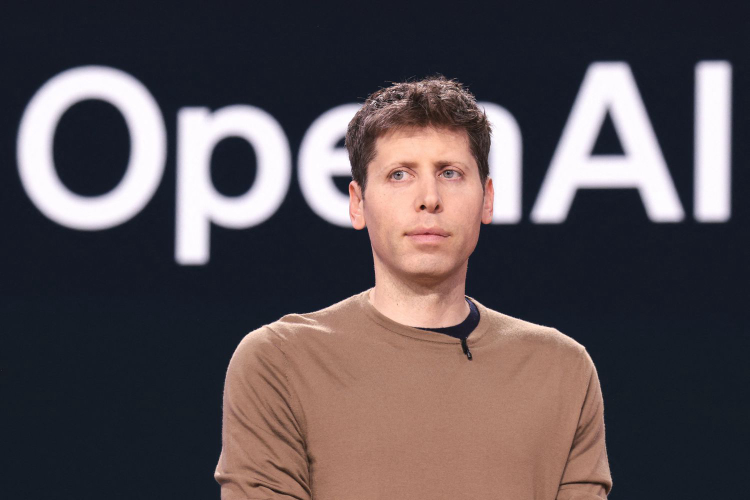
The controversy erupted late last week when OpenAI announced a deal to deploy its AI models on classified DoD networks, mere hours after President Donald Trump ordered all federal agencies to cease using Anthropic's technology and labeled the company a "supply chain risk." This move came amid escalating tensions, with Anthropic refusing to relax safeguards against using its AI for mass surveillance of U.S. citizens or fully autonomous weapons. OpenAI CEO Sam Altman, in a lengthy X post, admitted the agreement was "rushed" and appeared "opportunistic and sloppy,"announcing amendments to explicitly prohibit domestic surveillance and bar intelligence agencies like the NSA from accessing the models.
The backlash was swift and quantifiable. U.S. uninstalls of ChatGPT's mobile app surged 295% day-over-day on February 28, compared to a typical 9% fluctuation over the prior month. One-star reviews skyrocketed by 775% on the same day, while five-star reviews plummeted 50%. This user exodus propelled Claude to No. 1 in the U.S. App Store, a leap of over 20 ranks, where it has held steady across multiple countries including Canada and Germany. Downloads for Claude jumped 51% on February 28, surpassing ChatGPT for the first time in key metrics.
While the drama unfolds in traditional tech, the crypto markets are interpreting it as a boon for decentralized alternatives. Investors are flocking to AI-focused tokens that promise censorship-resistant, community-governed models free from corporate or governmental overreach. Here's a snapshot of notable movements in the sector over the past week:
Token | Project Focus | 7-Day Price Change | Market Cap (USD) | Key Reaction |
|---|---|---|---|---|
FET (Fetch.ai) | Decentralized machine learning network for AI agents | +18% | ~$2.5B | Surged on speculation that backlash against centralized AI could drive adoption of blockchain-based marketplaces for data and models. |
AGIX (SingularityNET) | Open AI services marketplace on blockchain | +22% | ~$1.8B | Gained traction amid discussions on X about "ethical AI" alternatives, with users highlighting its resistance to single-entity control. |
TAO (Bittensor) | Peer-to-peer AI training via tokenized incentives | +15% | ~$3.2B | Benefited from narratives around "democratized AI," as traders bet on protocols that avoid military entanglements. |
OCEAN (Ocean Protocol) | Decentralized data exchange for AI training | +12% | ~$1.1B | Rose on privacy concerns, positioning itself as a counter to surveillance risks in deals like OpenAI's. |
RNDR (Render) | GPU rendering network for AI visuals | +14% | ~$2.0B | Boosted by broader AI hype, with X posts linking it to non-militarized compute resources. |
These gains come as the broader crypto market remains volatile, but AI subsector tokens have outperformed Bitcoin (+3% over the same period) by a wide margin. Analysts attribute this to the "decentralization premium": as consumers and developers grow wary of Big Tech's military alignments, projects like Fetch.ai and SingularityNET, built on Ethereum and Cardano ecosystems, offer transparent, auditable AI without the risk of backdoors or forced compliance.
On X, discussions around the OpenAI deal have spilled into crypto circles, with users speculating that the fallout could accelerate "sovereign AI" adoption via blockchain. One post noted, "OpenAI + Microsoft win big, but decentralized AI reshapes the landscape overnight." Another highlighted potential efficiency gains in defense spending through open AI, estimating up to 40% improvements per think-tank analyses.
Altman, addressing the uproar, emphasized OpenAI's commitment to "democratic processes" and individual agency, while urging rivals like Anthropic not to face similar blacklisting. However, critics remain skeptical, with X replies calling the amendments "damage control" and predicting long-term brand harm.
As geopolitical tensions rise, including recent U.S. strikes on Iran using AI-assisted systems, the intersection of AI and crypto is poised for further volatility. Investors are watching whether this backlash sustains a "flight to decentralization," potentially valuing the AI crypto market at over $50B by year-end. For now, the message is clear: in an era of militarized tech, blockchain's promise of uncensorable intelligence is gaining ground.


 Successfully copied... Thank you for sharing our content!:



5% deposit bonus up to 100 gems

a free Gift Case





EGAMERSW - get 11% Deposit Bonus + Bonus Wheel free spin


EXTRA 10% DEPOSIT BONUS + free 2 spins

3 Free Cases + 100% up to 100 Coins on First Deposit


5 Free Cases, Daily FREE & Welcome Bonuses up to 35%

3 free cases and a 5% bonus added to all cash deposits.

+5% to deposit




Comments