




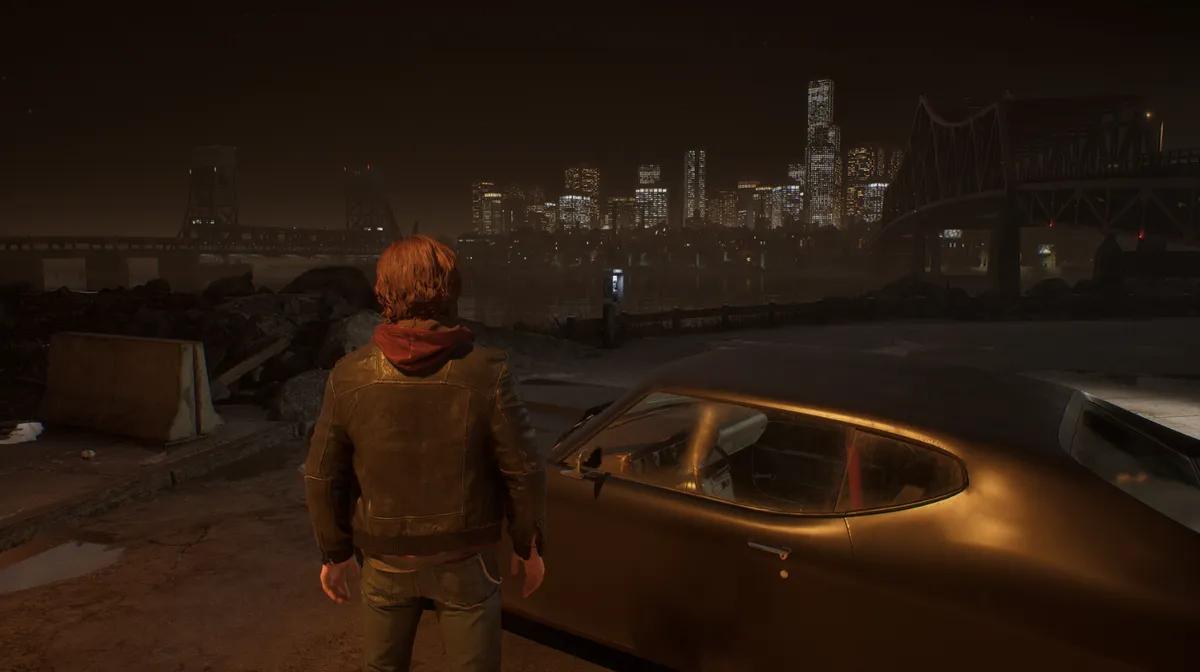
Samson Review
 Review
 Steam
SteamSamson: A Tyndalston Story is a third-person open-world action game set in a fictional decaying American city during the mid-1990s. Liquid Swords, a studio co-founded by former Avalanche Studios head Cristofer Sundberg, built the game around a debt-repayment roguelike loop that asks the player to complete street-level crime jobs each in-game day. The premise works better on paper than in practice. Broken melee combat, a long list of bugs, and thin mission variety keep the $24.99 debut from holding together across its 10-to-20-hour runtime.
The first reviews landed the same week players were picking apart Crimson Desert footage online, and the contrast in scope and ambition is hard to ignore. Samson is not competing with Rockstar or Pearl Abyss. It is a small, $25 crime game from a first-time studio, and the critical reception reflects exactly that tier: a mix of qualified praise for the roguelike structure and blunt frustration with nearly everything else. The brief surge of Samson criticism has, if nothing else, drawn some attention away from the usual cycle of short-form videos tearing apart whatever big-budget release is next in line.
Liquid Swords has published a post-launch roadmap promising patches and additional content, but the current build has to stand on what shipped. The studio cannot patch in mission variety or rewrite the story after the fact, and those are two of the game's deepest problems. What the roadmap can address is the technical state, and on that front, there is real room to improve.
A debt clock and a handful of jobs
Samson, the protagonist, owes $100,000 to organized crime figures in St. Louis after a botched heist. His sister Oonagh brokered a deal: she stays with the bosses as collateral while Samson returns to the streets of Tyndalston to earn the money back in daily installments. The minimum daily payment starts at around $2,000 to $3,000 and eventually rises to $3,400. Miss enough payments and squads of debt collectors show up. Presumably, Oonagh's safety deteriorates too, though the game never makes her feel like she is actually in danger.
Each in-game morning, Samson wakes in a run-down apartment and picks from a handful of randomly generated jobs scattered across the map. Every job costs Action Points, a daily resource that limits how many missions can be attempted before night falls. Tougher, higher-paying jobs eat more points. Dying during a mission wipes the money earned that day and still advances time. A strict autosave prevents reloading earlier states. Pushing for one more lucrative job might bankrupt the entire day if it goes wrong, and that tension is the best thing the game has going for it.
This roguelike pressure is Samson's strongest structural idea. Failure feeds back into the narrative rather than resetting it, and the daily risk-and-reward math gives each mission stakes that most open-world games do not bother with. But the pool of available jobs is shallow. After a few hours the same types cycle back with no variation, no scoring incentives, and no mechanical twists to tell one run from the next. Missions even repeat wholesale during the main campaign, identical each time.
Fists only, and they barely work
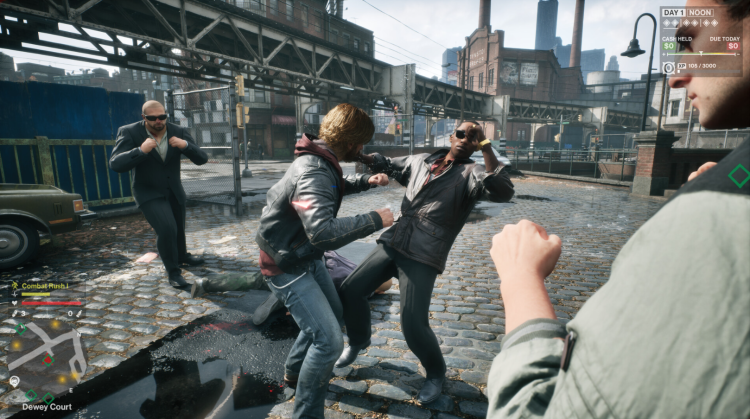
There are no firearms in Samson. No stealth kills, no grenades, no ranged options. Every on-foot encounter comes down to melee: punching, parrying, dodging, and activating an Adrenaline mode that temporarily hits harder. The system has no lock-on mechanic, so picking a target among a crowd means wrestling the camera manually. Enemies attack one after another and circle behind the player constantly, taking advantage of a tight third-person camera that hides incoming blows.
Parrying demands precise timing but falls apart when three or four opponents swing in sequence. The dodge is a short sidestep, often needing repeated button presses to clear a group. Thrown objects like bottles deal heavy damage and are nearly invisible in the scrum. Animations stutter and overlap. Half the time it is unclear whether Samson is blocking, getting hit, or finishing someone off. Enemies already on the ground sometimes keep absorbing punches while Samson twists and swings at air.
Mission categories labeled Beatdown, Jack, and Shadow exist on paper, but the differences come down to minor objectives tacked on after the fight, like picking up generic items. The actual loop stays the same: walk into an area, punch everyone until they drop, move on. Late-game story missions that could have mixed things up, a heist setup, for instance, still resolve as rooms full of thugs. Leveling up and unlocking skills eventually makes combat trivially easy instead of satisfying. Difficulty does not give way to mastery. It just gives way.
Driving through rust and dents
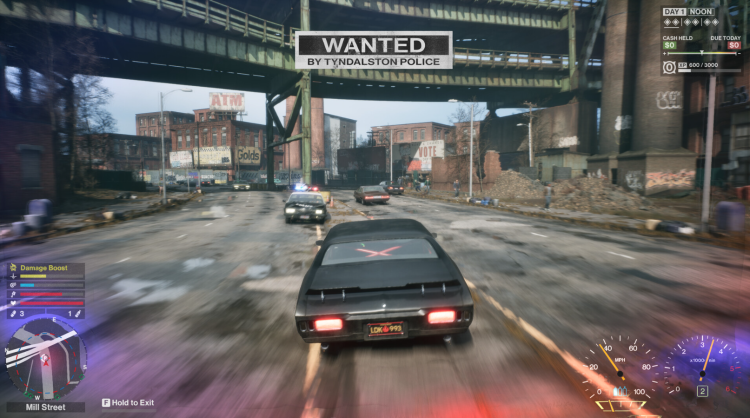
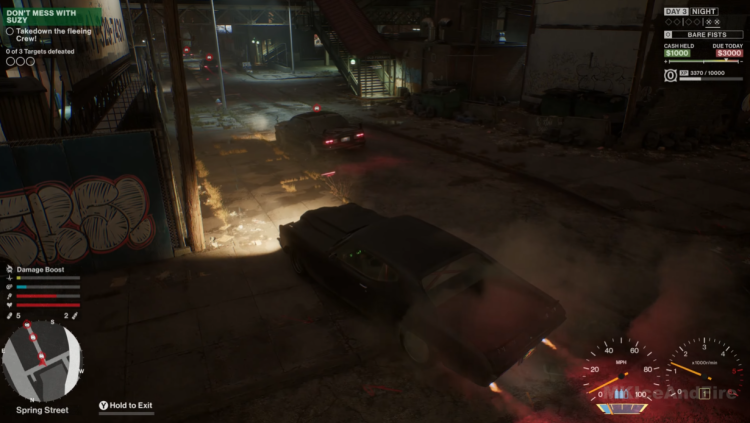
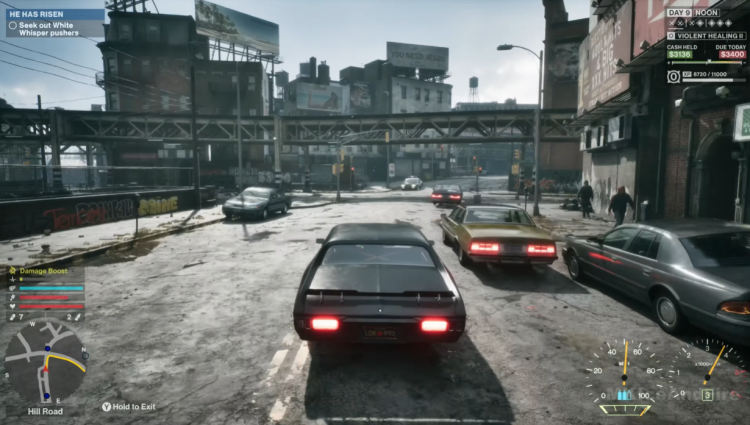
Vehicle handling is the game's most solid piece. Every car in Tyndalston is a boxy, dented relic from the mid-1990s, painted in muted beige, brown, green, or purple. They steer like heavy machinery, drift wide on corners, and collide with real weight. Ramming rivals during Takedown missions and drifting from police during Getaway jobs are the best moments Samson offers. Street Trials, essentially technical time trials, let the driving model do what it does well without interference from the combat.
Samson's personal muscle car handles better than the disposable vehicles on the street, and nitrous oxide boosters add a useful burst of speed. But vehicles break down after only a few hard collisions. Repairs cost money that competes directly with daily debt payments: spend cash on the car and risk missing a payment, or drive fragile stolen cars and lose access to the muscle car entirely. Most players will default to whatever is parked nearby.
Car-on-car combat works less well. Fights often turn into repeated bumper nudges, with both vehicles scraping off the road, stopping, reversing, and starting again. T-bone collisions deal significant bonus damage but are hard to set up on purpose. The vehicular Adrenaline boost helps end these chases faster, but it papers over a thin system rather than adding depth to it.
Bugs, soft locks, and design friction
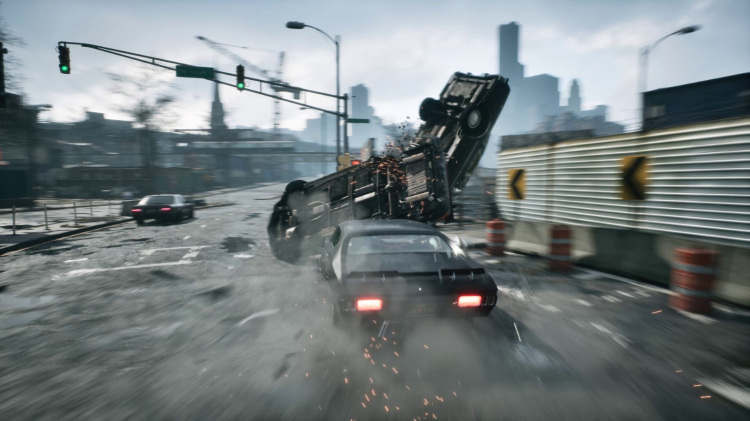
Technical problems are everywhere. Enemies get stuck behind fences and doors, blocking mission completion. Objective markers vanish. Health bars stay on screen after the associated enemy is dead. Cars flip and wreck spontaneously on highways. Enemy vehicles spawn motionless in the middle of roads, removing any challenge from Takedown missions. Car doors open and close on their own when picking up NPCs. One reviewer hit a soft lock on the third story mission that stopped all story progression until a full restart. Another could not complete Chapter 12 due to a bug, though a separate glitch made Chapter 14 available from the start of the game.
Design choices make it worse. Failing a mission forfeits all money earned that in-game day. An alternative option spends an extra Action Point to retry without losing cash, but both outcomes punish too hard when the failure came from a glitch or from accidentally stepping outside a combat boundary. Samson cannot carjack occupied vehicles, which is a strange restriction for a game about street crime. Total a car on a highway and the only option is running on foot to the nearest parked vehicle. Healing and holding a weapon cannot happen at the same time. These friction points stack up fast.
A story that runs out of steam
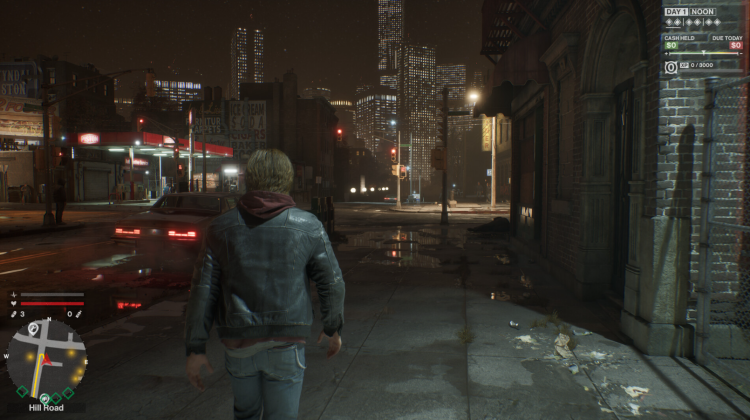
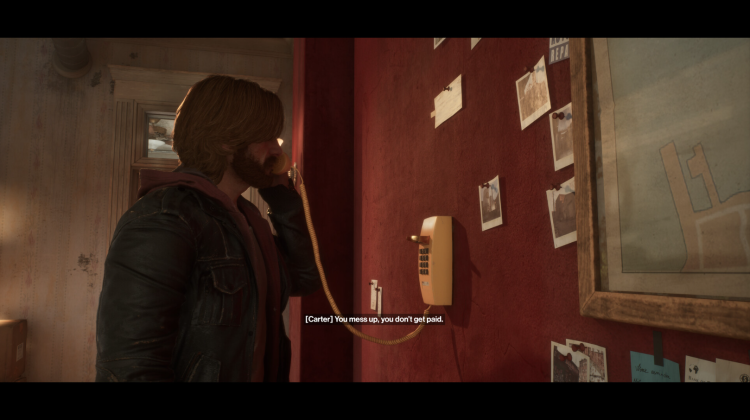
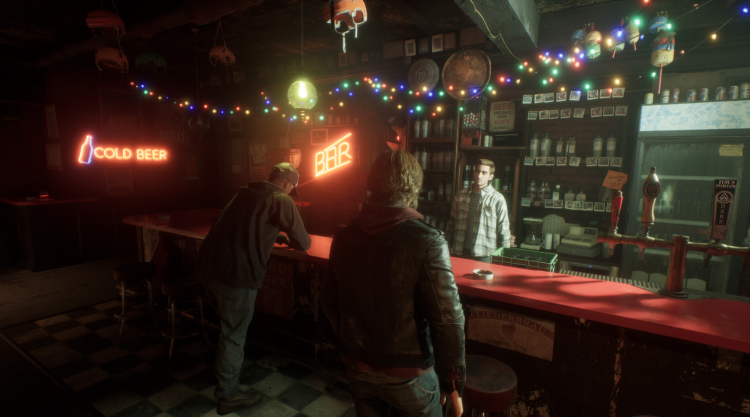
Almost all of Samson's narrative comes through flat dialogue exchanges, either in person or over the phone, with no cinematography, no custom animations, and no cutscenes beyond a brief animated prologue. The 14 story missions have nothing to do with the central Oonagh rescue plot. Instead they follow Samson's old gang through a stock organized crime arc. The crew is written as the "good" gang, noble compared to rival outfits, with no humor, self-awareness, or character work to back that up.
Oonagh, despite being held hostage, never sounds worried in her regular phone calls with Samson. Marketing materials suggested her ransom would grow each day, but the debt structure is static: $100,000 from the start, with only the minimum daily payment ticking up slightly. The story loses focus in its second half and ends with what multiple sources call a nonsensical, anticlimactic finale. A stronger narrative could have propped up weaker gameplay. This one does not do that.
Where Samson sits among open-world crime games
Samson draws comparisons less to Grand Theft Auto V or Red Dead Redemption 2 and more to the mid-tier open-world action game catalog of the early 2010s. Mafia 2, Sleeping Dogs, and Driver: San Francisco all worked the same crime-action territory with tighter controls and more memorable worlds. Driver: San Francisco in particular still stands out, though its delisting from digital storefronts means only people who bought it years ago can play it. That Samson gets measured against those games and not against the genre's current top end tells you where it lands on the spectrum, and how much wider the gap between GTA and its imitators has gotten as years pass and projects of mixed ambition pile up.
I see Samson as a 2013 game fitted with a recent graphics patch, something that exists in the long shadow GTA casts over every open-world action game chasing urban crime without the budget or polish to match Rockstar. That comparison is not entirely fair to Liquid Swords, a small studio shipping its first product at $25, but the market does not grade on a curve. Players choosing between Samson and replaying Saints Row: The Third, or holding out for GTA 6, will weigh the same hours against very different returns.
Verdict
Samson is a 6/10 game, and might reach 7/10 after fixes but not higher, and that is fine. Not every open-world action game needs to redefine the genre to justify existing.
Pros:
- The daily debt-and-Action-Point system creates real tension and meaningful risk
- Tyndalston's grimy 1990s look is convincingly rotten in a way few games bother with
- Heavy, boxy vehicle handling makes car chases and ramming sessions fun
Cons:
- Melee combat is shallow, unresponsive, and visually incoherent in group fights
- Bugs are constant, including soft locks, stuck enemies, and cars that destroy themselves
- Missions repeat without variation, draining the roguelike loop within hours
I think Samson is worth a handful of hours to take in the street-level atmosphere and see what Liquid Swords tried with the debt-repayment structure, but those hours will not build into the kind of long run that defines the genre's better entries. Future updates could let the studio strengthen the driving and the daily-stakes framework while fixing the combat and the bugs that undercut both. Whether that happens will decide if Samson settles as a respectable mid-tier AA game or stays a curiosity most players drop before the debt is paid.


 Successfully copied... Thank you for sharing our content!:



5% deposit bonus up to 100 gems

a free Gift Case





EGAMERSW - get 11% Deposit Bonus + Bonus Wheel free spin


EXTRA 10% DEPOSIT BONUS + free 2 spins

3 Free Cases + 100% up to 100 Coins on First Deposit


5 Free Cases, Daily FREE & Welcome Bonuses up to 35%

3 free cases and a 5% bonus added to all cash deposits.

+5% to deposit




Comments