




Goldman Sachs Actively Explores Tokenization and Prediction Markets Amid Changing US Regulation
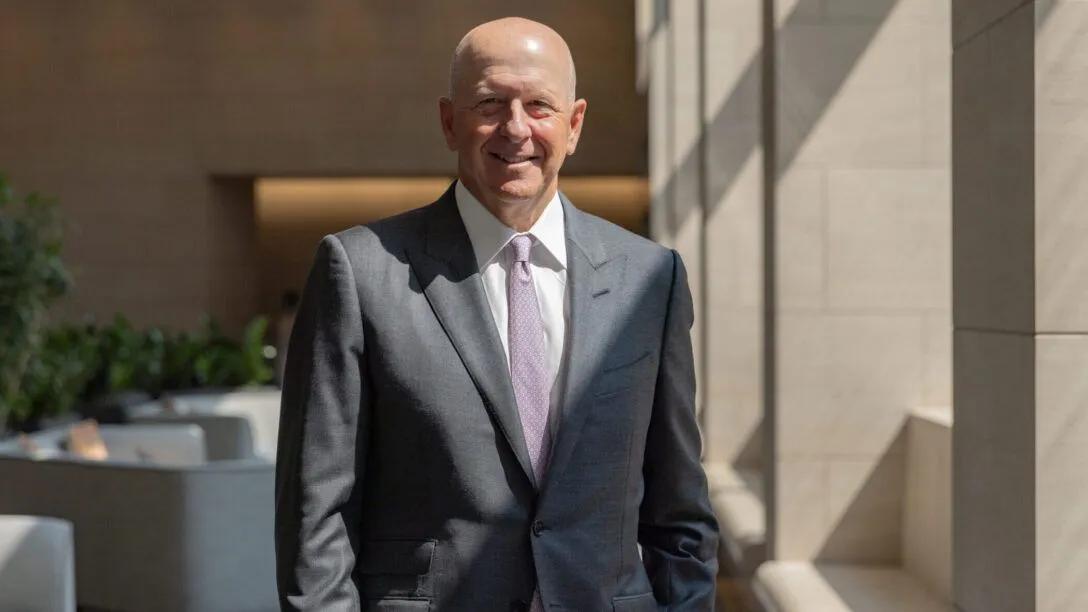
Goldman Sachs CEO David Solomon stated that the investment bank is dedicating significant resources to exploring asset tokenization, stablecoins, and prediction markets. These efforts aim to integrate new technologies into the bank's core operations, where they can expand or enhance existing business processes. During the quarterly earnings call, Solomon emphasized that Goldman Sachs does not aim to lead in every new technology but wants to be prepared for its implementation in strategically important areas.
According to Solomon, large internal teams are working closely with leadership to identify where to test and apply tokenization and stablecoin technologies. The bank is also examining prediction markets, including products regulated by the Commodity Futures Trading Commission (CFTC), which resemble derivative contracts. Recently, Solomon met with representatives from two major prediction platforms to gain a detailed understanding of their operations. He sees potential for these markets to intersect with Goldman Sachs' business, depending on the evolution of regulatory frameworks.
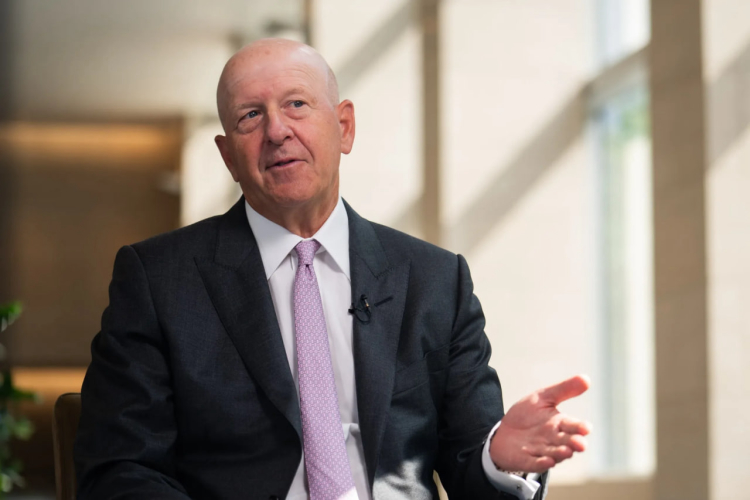
Solomon's comments come amid joint initiatives by Goldman Sachs and other major banks to create bank-backed digital money tied to regulated structures similar to stablecoins. At the same time, the CEO cautioned that both tokenization and prediction markets are still in early stages of development, and their adoption pace may be slower than portrayed in the media. Regulatory changes in the US, including discussions on market structure legislation in Washington, remain a key factor for the bank's strategy.
How Is This Beneficial for the Crypto Market?
The involvement of a traditional finance giant like Goldman Sachs in exploring and potentially implementing crypto technologies offers several key advantages for the entire market:
- When a major investment bank publicly expresses interest in tokenization and stablecoins, it signals to institutional investors and regulators that crypto innovations are not a fringe phenomenon but a serious part of the future financial system. This can accelerate mainstream adoption of crypto, reducing stigma and attracting more capital from conservative players.
- The focus on regulated products, such as CFTC-regulated prediction markets, can create bridges between DeFi (decentralized finance) and TradFi (traditional finance). For example, tokenizing real-world assets (like real estate or stocks) would enable more efficient trading on the blockchain, lowering costs and increasing liquidity for the entire market.
- Goldman Sachs' active monitoring of US regulatory shifts could influence policy, lobbying for clearer rules. This is beneficial for the market, as regulatory uncertainty currently hinders growth. If market structure legislation progresses, it could open doors for bank-backed stablecoins, stabilizing volatility and attracting more retail users.
- Solomon emphasizes a cautious approach, which prevents "bubbles" and promotes sustainable development. For the market, this means less speculation and more real-world applications, such as using prediction markets for risk hedging similar to derivatives. In the long term, this could increase the crypto market's capitalization, making it more resilient to crises.
Overall, this news indicates the evolution of the crypto market from a niche to an integrated element of global finance, potentially bringing billions of dollars in investments and new growth opportunities.


 Successfully copied... Thank you for sharing our content!:



5% deposit bonus up to 100 gems

a free Gift Case





EGAMERSW - get 11% Deposit Bonus + Bonus Wheel free spin


EXTRA 10% DEPOSIT BONUS + free 2 spins

3 Free Cases + 100% up to 100 Coins on First Deposit


5 Free Cases, Daily FREE & Welcome Bonuses up to 35%

3 free cases and a 5% bonus added to all cash deposits.

+5% to deposit




Comments