




User Lost $50 Million Due to Address Poisoning Attack
 SCAM
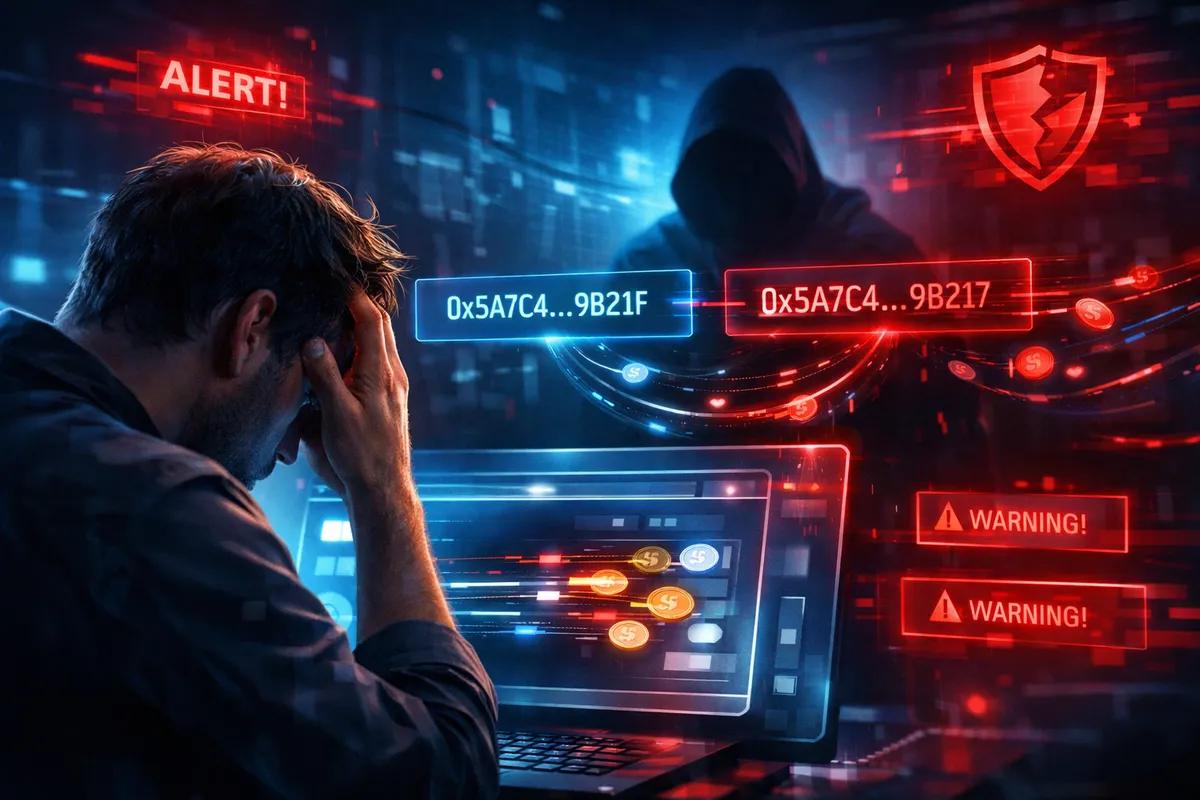
SCAMThe analytics platform Lookonchain reported another high-profile case of fraud in the cryptocurrency space. The victim with the address 0xcB80 lost nearly $50 million in USDT stablecoin due to an error while copying a wallet address. The incident occurred on the Ethereum blockchain and demonstrates how insidious modern crypto scams can be.
In detail, before the main transfer of 50 million USDT, the user conducted a test transaction of 50 USDT to their own address (0xbaf4b1aF...B6495F8b5). The scammer, monitoring the network, immediately created a fake wallet with identical first and last four characters. They sent a small transaction (0.005 USDT) from this address to the victim's wallet, "poisoning" the transaction history. Many wallets, such as MetaMask, display addresses in abbreviated form with dots in the middle for user interface convenience, which facilitates deception.
The victim, accustomed to copying addresses from transaction history and checking only the beginning and end, accidentally copied the fake address. As a result, 49,999,950 USDT was transferred directly to the scammer. This case highlights the vulnerability of users who rely on convenience rather than thorough verification. Lookonchain called it a "painful lesson" and urged always double-checking addresses and avoiding copying from history.
The incident quickly gained traction in the community, with over 730,000 views of the post and hundreds of comments. Some users speculated it could be part of a tax evasion scheme, but most agreed on the need to improve wallet interfaces, such as adding generative icons or warnings about suspicious addresses.
Types of Fraud Related to Address Poisoning
Address poisoning is not the only type of deception involving cryptocurrency address manipulations. Here are the main types of similar scams, based on analytics from Chainalysis, Ledger, and other sources:
- Scammers monitor the blockchain, create "vanity addresses" that mimic real ones (with the same initial and final characters), and send small transactions to the victim. This "poisons" the history, and the user may accidentally copy the fake one. This method is particularly effective because many check only 4-6 characters from each end.
- Malicious software (malware) monitors the clipboard on the user's device. When you copy a real wallet address, it automatically replaces it with a fraudulent one. This often happens through infected apps, phishing sites, or malware on the computer. Unlike poisoning, this requires device infection.
- Scammers create fake websites or emails that imitate legitimate services (e.g., exchanges like Binance) and ask to enter an address or send funds for "verification." They may generate addresses similar to yours or use token impersonation, where fake tokens look like real USDT or ETH.
- Scammers copy your past transactions, sending small amounts from similar addresses to confuse the history. This is a variation of poisoning, often combined with social engineering.
These scams are widespread in 2025, with losses in billions of dollars, according to the FBI and Chainalysis. They exploit the human factor, haste and trust in interfaces.
How to Protect Yourself from Similar Scams?
To avoid losses, follow these recommendations from experts at Binance, Trezor, and Ledger. These steps emphasize proactive habits and tools to counter the human and technical vulnerabilities exploited by scammers:
Verify the Full Address
Always compare the entire string of characters, not just the beginning and end, as scammers often craft addresses that match only the visible abbreviated parts in wallet interfaces. For instance, a real address might be "0x1234...abcd", but a fake one could mimic it precisely in those segments while differing in the middle. Use blockchain explorers like Etherscan or BscScan to paste and verify the full address before any transaction - this adds a layer of confirmation by showing ownership details, transaction history, and ensuring it hasn't been flagged as suspicious.
Avoid Copying from History
Enter addresses manually or use saved contacts in the wallet to prevent falling for poisoned histories where fake transactions appear legitimate. Do not rely on recent transactions, as they may be poisoned by scammers sending dust amounts to clutter your log. Instead, maintain a secure note (like in a password manager) with verified addresses, or use QR codes for scanning, which bypasses clipboard risks altogether and ensures you're working with the original data.
Use Hardware Wallets
Devices like Ledger or Trezor allow signing transactions offline, reducing malware risks by keeping your private keys isolated from internet-connected computers. They also display full addresses on the device's screen before confirmation, forcing a physical double-check that can't be intercepted by software-based attacks. This is especially useful for high-value transfers, as it adds a hardware barrier against clipboard hijacking or phishing, and many models support multi-factor authentication for added security.
Apply ENS or Human-Readable Names
Register Ethereum Name Service (ENS) domains, like yourname.eth, instead of long hex addresses, which replaces cryptic strings with memorable, human-readable labels. This makes transactions more readable and reduces errors by eliminating the need to handle 40+ character addresses manually. Services like ENS integrate with most wallets, allowing you to resolve names to addresses securely on the blockchain, and they can include additional metadata for verification, making it harder for scammers to impersonate.
Install Antivirus and Avoid Suspicious Links
Regularly scan your device for malware using reputable software like Malwarebytes or built-in tools from Windows Defender/Mac Gatekeeper, as infections can lead to clipboard hijacking or keylogging. Do not click on unknown links, especially in emails or social media claiming to be from crypto services, and use a VPN for crypto operations to encrypt your connection and hide your IP from potential attackers. Additionally, enable two-factor authentication (2FA) on all accounts and consider using a dedicated device for crypto activities to minimize exposure.
Conduct Test Transactions
Send small amounts first (e.g., $1-10 worth) to confirm the address works as intended, but always recheck the address manually before a large transfer to catch any last-minute swaps or errors. Wait for the test to confirm on the blockchain via an explorer, and if possible, use a different session or device for the main transaction to avoid session-based exploits. This practice not only verifies the recipient but also helps you spot unusual fees or delays that might indicate foul play.
Enable Warnings in Wallets
Many apps, like MetaMask or Trust Wallet, have built-in options to detect suspicious addresses, such as flagging similar-looking ones or warning about recent dust transactions. Turn them on in the settings menu and make sure to follow software updates, which often include patches for new scam vectors. Some wallets even integrate with services like PhishFort or WalletGuard for real-time threat detection, providing alerts for potential poisoning attempts based on community-reported data.
By following these rules, you will significantly reduce risks and build a more resilient approach to crypto handling. Remember: in crypto, security is your responsibility, as blockchain transactions are irreversible. If you become a victim, immediately report to the exchange or law enforcement, although fund recovery is rarely possible - prevention is always the best strategy.


 Successfully copied... Thank you for sharing our content!:



5% deposit bonus up to 100 gems

a free Gift Case




EGAMERSW - get 11% Deposit Bonus + Bonus Wheel free spin


EXTRA 10% DEPOSIT BONUS + free 2 spins

3 Free Cases + 100% up to 100 Coins on First Deposit


5 Free Cases, Daily FREE & Welcome Bonuses up to 35%

3 free cases and a 5% bonus added to all cash deposits.

+5% to deposit




Comments